Read More
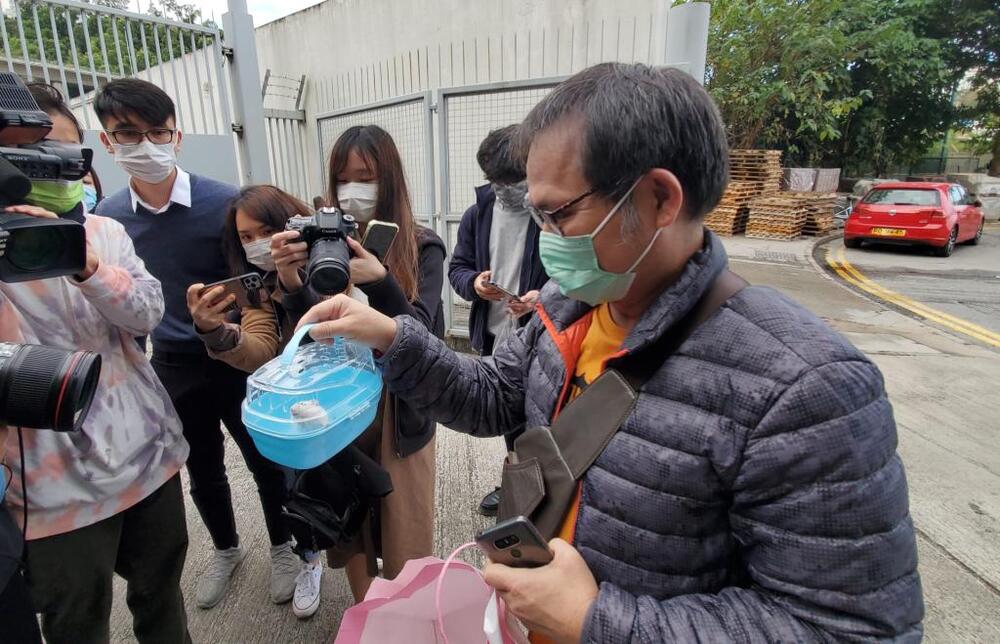
A citizen on Wednesday said turning in his family's two pet hamsters is a tough decision to make, but it is better to surrender the animal rather than risking the health of his two children.
ADVERTISEMENT
SCROLL TO CONTINUE WITH CONTENT
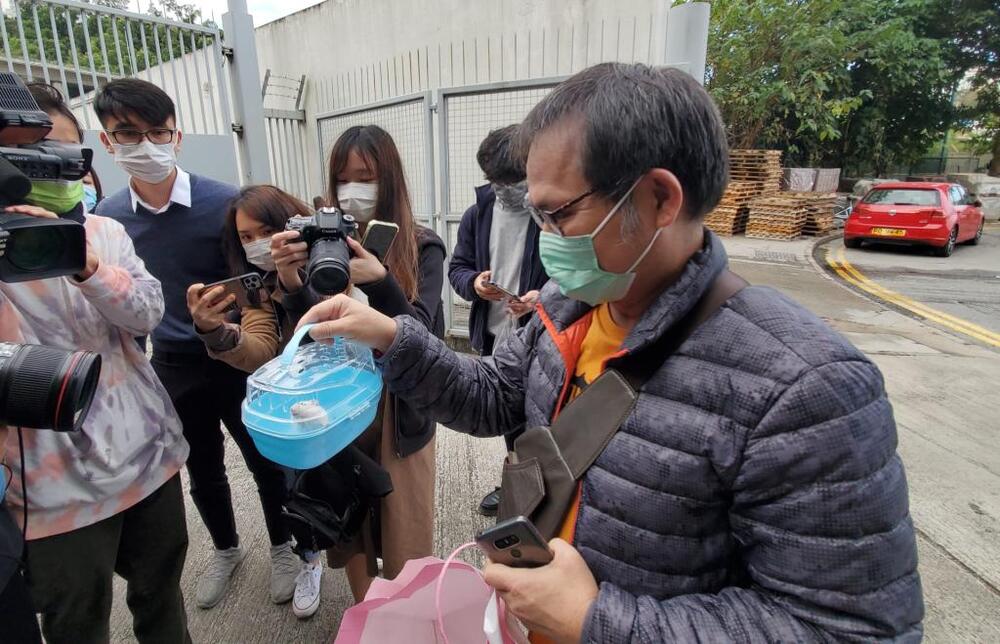
Citizens this morning turned in their pet hamsters at the government's Animal Management Centre in Sha Tin, after the government "strongly advised" the owners who bought their hamsters since December 22 to turn over the animals to be tested and put down.
Chan, a citizen handing in his two pet hamsters, said he had bought the animals in late December and early January at the Little Boss pet shop in Mong Kok.
He said despite him and his two children having named the two pets already, it was best for him to send away the hamsters for the sake of his family's health.
He also said his kids understood the decision was made over health consideration, even though they were sad to see the hamsters go.
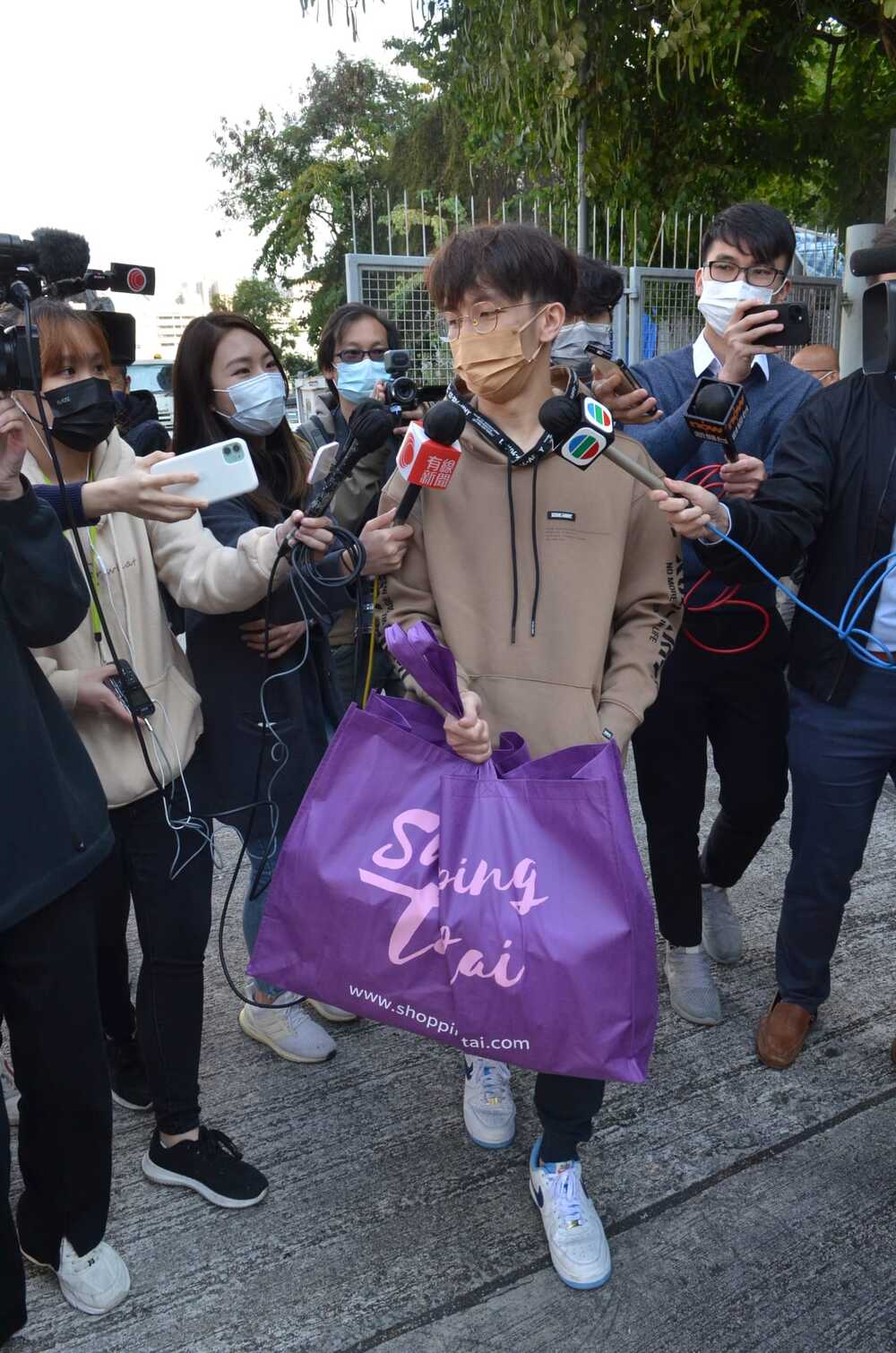
After turning in his hamsters, Chan told reporters that the process was smooth, and government staff had asked him to sign a consent form, which stated he would not be allowed to check in on his hamsters afterward.
A few others also went to the center to turn in their hamsters, with the animal placed in plastic cages and paper bags.
Hong Kong Life on Palm - Hong Kong Hamster Concern Group this morning said it received more than 100 inquiries about abandoning hamsters after the government announcement of the hamster cull.
The organization said most families have given up the idea of abandoning their hamsters after they explain to them the current situation, asking them to avoid making rash decisions.
The organization also advised pet owners to observe whether the hamster had developed any respiratory symptoms such as a runny nose or weight loss and seek a veterinarian's opinion.
"People should not abandon the hamsters on the street but contact volunteers for help," it wrote.
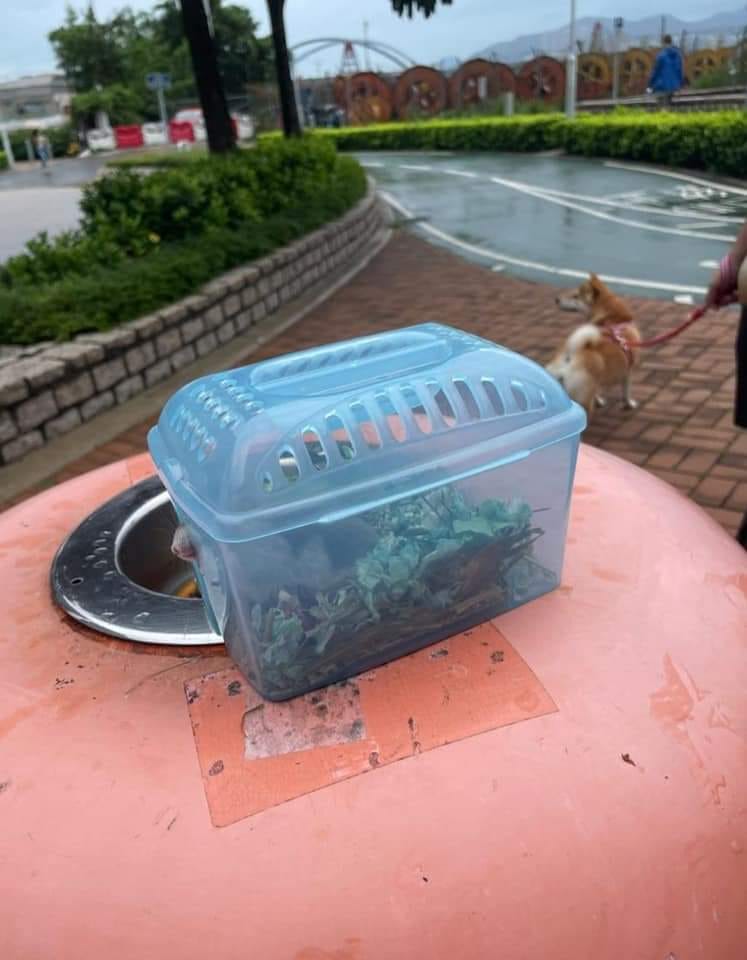
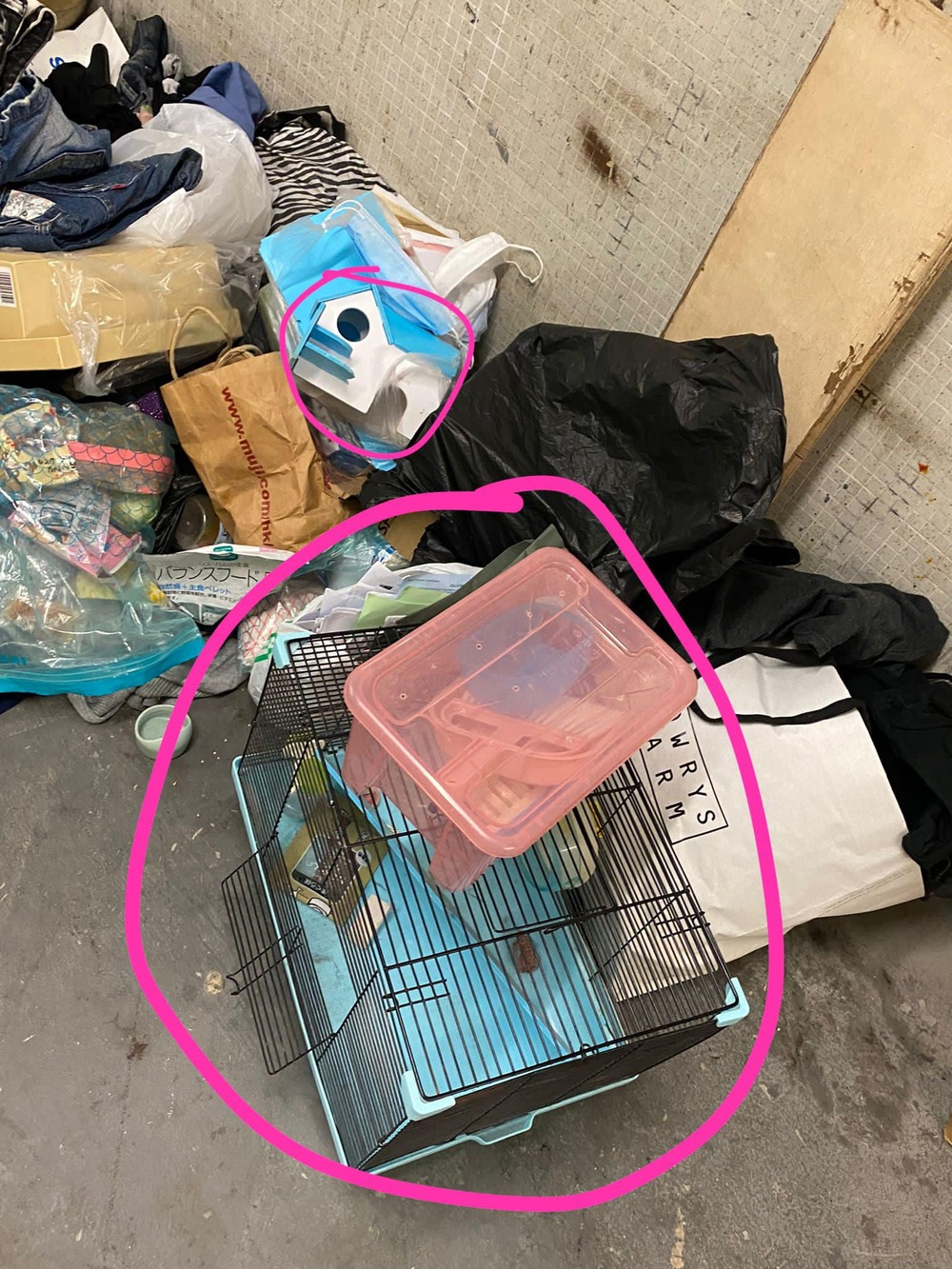
Netizens this morning found up to 20 hamsters abandoned on the streets of Tsing Yi and Tai Po. A photo shared by one of the netizens showed that a hamster - being placed in a plastic box - was left behind on top of a rubbish bin on the roadside.
On Facebook, several hamster lovers urged people not to abandon their hamsters, with some of them saying they were willing to take in the animal.
Speaking on a radio program this morning, government advisor Yuen Kwok-yun said he knew the planned cull of hamsters would attract criticisms, but he said it needed to be done urgently to cut off any invisible virus transmission chains among the hamsters.
In particular, he said the hamsters could have avoided the death penalty, but many elderly people in Hong Kong were unvaccinated and could be at risk of dying if the virus entered the communities.
"As scientists and doctors, we all understand we must have respect for all lives, but we have to make a decision and clearly think what's best for the people on the basis of public health," he said.
He also said he had since received emails saying he should be dead for endorsing such a decision.
Another government advisor, David Hui Shu-cheong, echoed Yuen's view, saying the cull is needed.
He said it is common practice to cull all the animals linked to an outbreak from the perspective of public health.
"We already have evidence that some hamsters at the Causeway Bay shop have been infected, while the warehouse in Tai Po has been contaminated, too. It's normal that the whole batch of animals needs to be culled. It's impossible to test every one of them," he said.
"We culled the whole batch of chickens during the bird flu outbreak. We did not test every chicken and keep those that were unaffected."
The health expert also said if it was confirmed that the pet shop worker contracted the virus from the infected hamsters, it would be the world's first observation of hamster-to-human Covid transmission.