Read More










Morning Recap - October 26, 2026
8 hours ago


Veteran stock analyst Louie Shum Chun-ying dies at 65, obituary shows
25-10-2026 15:13 HKT

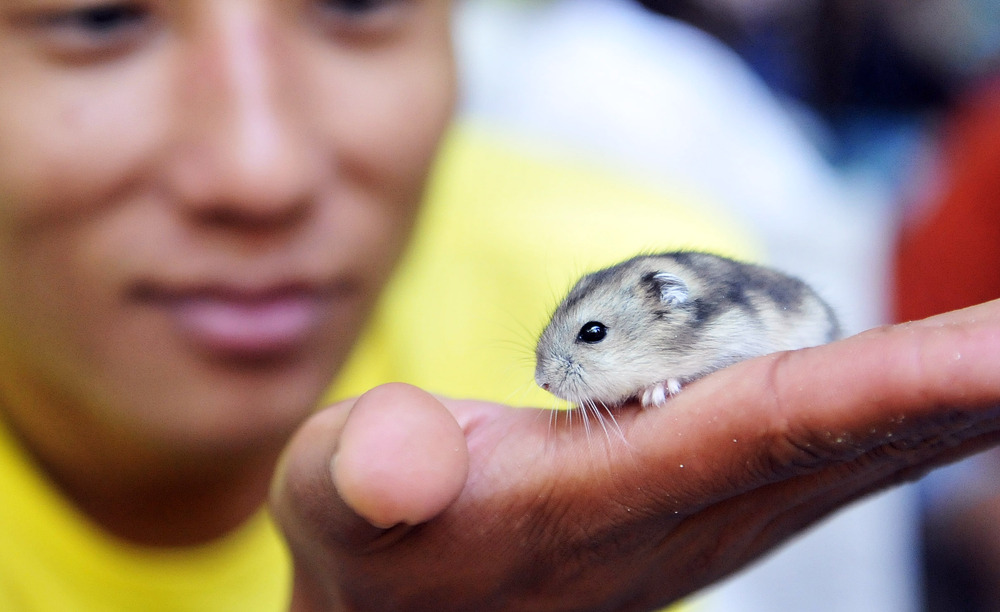
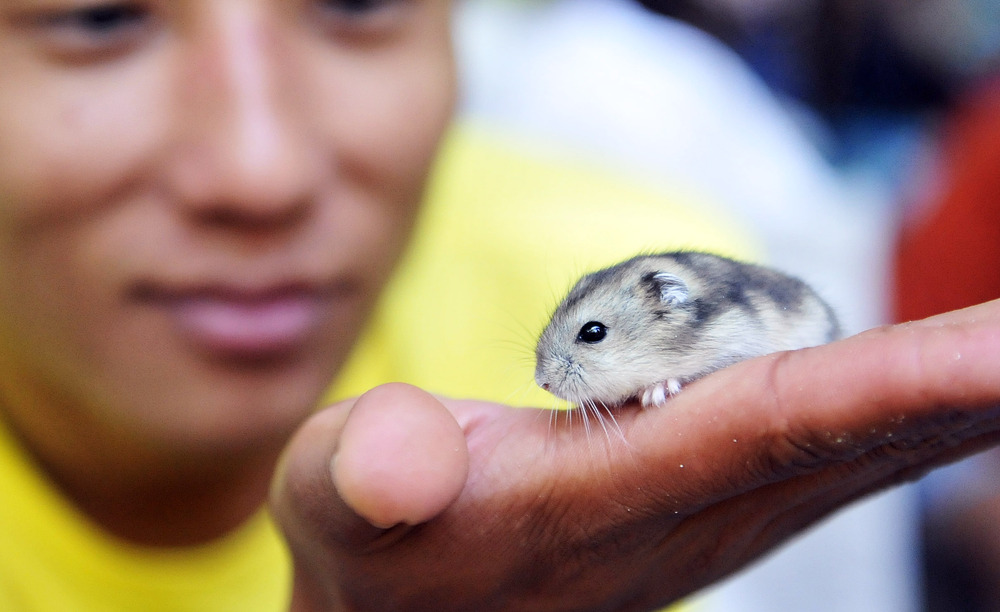
Forty hamster owners have inquired about abandoning their pets in the few hours after the government announced it will kill all hamsters sold in pet shops because several tested positive for Covid-19, a concern group said on Tuesday.
The government announced in the afternoon that it will cull an estimated 2,000 hamsters, including those sold at 34 local pet shops, after 11 samples taken from hamsters at Little Boss pet shop in Causeway Bay tested positive. Officials call upon citizens to surrender hamsters bought since December 22 last year, which will be killed as well.
Sophia Chan from Life on Palm -- Hong Kong Hamster Concern Group slammed the government's decision as unreasonable and inhumane.
“Only several hamsters in one pet shop are infected. How can you assume that the hamsters in other pet shops are also infected?” Chan asked.
She added that since the announcement, she has received some 30 to 40 calls from pet owners asking about abandoning their hamsters.
Chan described government's move as a “genocide” which frightened every pet owner in the city.
“One hamster owner was crying her eyes out when she called me today, saying she cannot persuade her family on keeping the hamster, adopted just last week. Her family insisted that she surrender her pet to authority. Otherwise, they will send the hamster to the Agriculture, Fisheries and Conservation Department for disposal themselves,” she said.
“In another case, the owner called me to ask if her hamster needed to undergo medical examination or other tests. But when she returned home, she found out her family had already disposed of the hamster by dumping it at a garbage room. She had searched through every bag of garbage and still couldn't locate her pet.”
Chan suggested authority to quarantine these hamsters first according to where or when they were imported from. She also reassured owners kept at home should be safe. Any infection is most likely transmitted through humans who went outside.
She continued that people were not aware of the problem of hamsters being abandoned. The group has been handling around 40 to 50 such cases every month.
“Hamsters are abandoned by their owners for all sort of reasons, including sickness, parents' disagreement on keeping a hamster, or being treated by owners inappropriately,” Chan pointed out.
On the other hand, the Society for the Prevention of Cruelty to Animals said it was shocked by the government's decision, which “did not take animal welfare and human-animal bond into consideration.”
SPCA hoped the department won't take any drastic action before reviewing its approach, and said they will liaise with the department through different channels and discuss on alternative approaches.
Both the concern group and SPCA urged pet owners not to panic or abandon their pets, and to maintain personal hygiene before touching their pets.
Lawmaker Gary Chan Hak-kan criticized the move does not respect animals' lives at all and questioned why animals which tested negative could not be spared. He suggested government to quarantine these animals as well instead of culling them all.
He also questioned why the government has to kill hamsters sold in other shops, and said 1,000 hamsters could be killed without a valid reason.