Read More
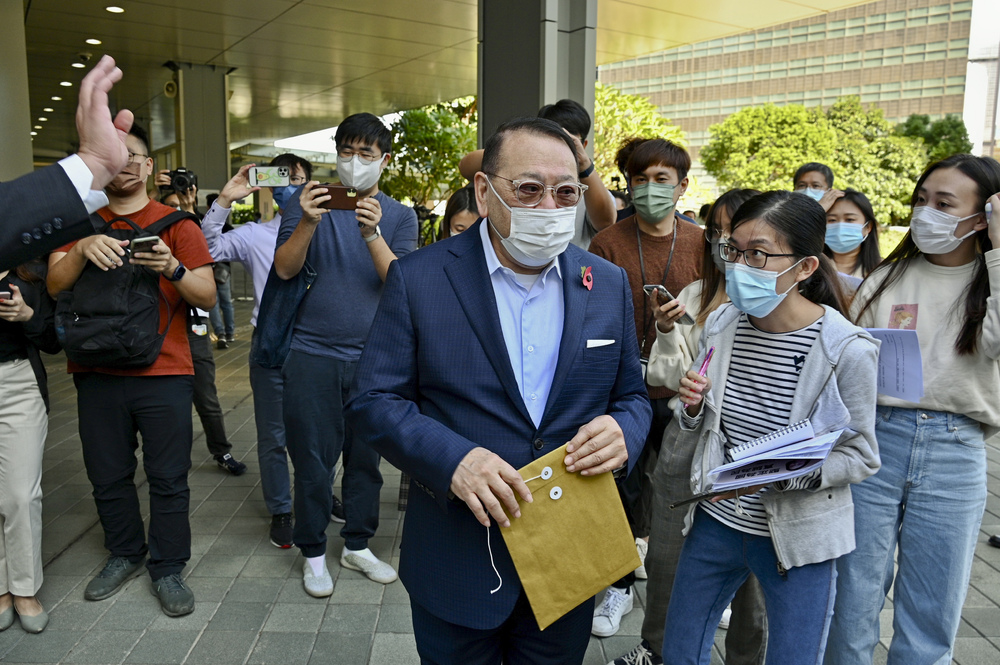
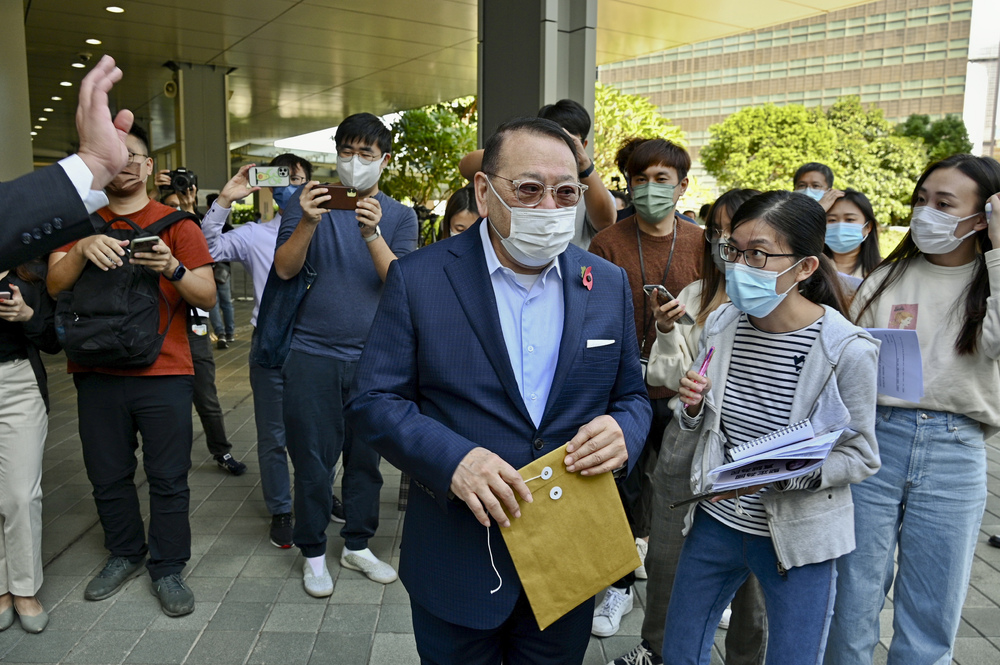
Abraham Shek Lai-him, once Hong Kong's most experienced lawmaker, has become more vocal after he left the Legislative Council.
ADVERTISEMENT
SCROLL TO CONTINUE WITH CONTENT
Shek represented his sector for five terms and left his position this fall after 21 years. He will not seek reelection in December.
Having shed his lawmaker title, the 76-year-old pro-establishment politician became more carefree in speaking his mind, as well as showing sympathies to the pro-democracy camp.
He responded to Democratic Party former chair Emily Lau Wai-hing, who wrote on her Facebook that she attended a hearing at the West Kowloon magistrates' court on Monday to support the 47 activists charged in the pro-democracy camp primary election case.
“Many of them have been locked up for nine months, with no date for a proper trial,” she wrote.
In a comment, Shek wrote: “This is not the HK we know and love. God bless them all.”
In an earlier interview, Shek said youngsters arrested during the social unrest should be allowed to start afresh.
He said many youngsters had their futures ruined during the anti-fugitive bill protests in 2019.
"It's not like we have no feelings," he said.
Shek, who holds a bachelor's degree in arts and a diploma in education from the University of Sydney in Australia, recalled: "When I was a university student, I had taken part in anti-Vietnam War protests. I was arrested many times. But I was lucky that I was not jailed.
"Society gave me a new chance. Those youngsters [arrested in recent years] should also be given a chance to turn a new leaf."
He said Hong Kong should "forgive but not forget" social conflicts over the past several years, while authorities should look into the actual causes and review the education system.
He also lamented Beijing pointed out Hong Kong's housing problem without offering solutions.
“They [central government officials] have raised the issues. But have they thought about how the [HK] government can solve them? Have they helped (Chief Executive) Carrie Lam or the Hong Kong government to solve the problems?” He said.
“All they said is that there are problems, there are problems, there are problems."