Read More
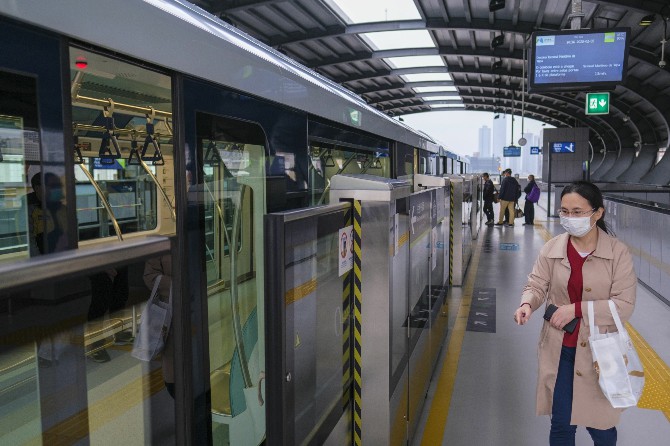
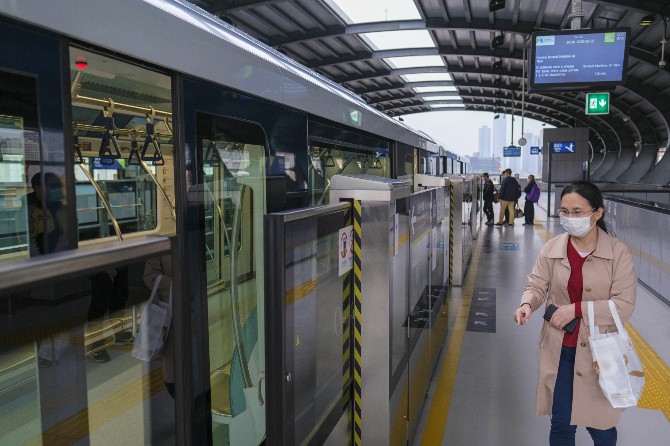
The eastern line of the Macau Light Rapid Transit system will be built underground, the government announced yesterday, while launching a public consultation.
The east line aims to link the Pac On area in Taipa to the Border Gate. It will pass through Zone A of the new landfills and link to the Hong Kong-Zhuhai-Macau Bridge Port, which will be an important part of the city’s major transport hub. This will connect the airport, the Taipa Ferry Terminal, and the HKZMB to the Border Gate, Macau Daily Times reports.
During this year’s sectorial policy address, the Secretary for Transport and Public Works, Raimundo do Rosário, had hinted at the possibility of the line being built entirely underground, a solution that has now been confirmed.
Like Rosário, the chairman of the LRT company, Ho Cheong Kei, explained that this aims to maximize use of Zone A’s land resources in the new landfills. This will reduce the impact on traffic during construction, and allow operation of the line even during severe weather conditions such as typhoons.
The line will be 7.65 kilometers long with six stations and will include an underwater tunnel section, with 2.4 kilometers linking Zone E on the new landfills in Taipa to Zone A.
During the press conference where the government also announced the public consultation of the Urban Master Plan, Ho hinted that the project might cost around 2 billion Macau pataca.
ADVERTISEMENT
SCROLL TO CONTINUE WITH CONTENT
The estimate is based on construction costs of a similar facility in Hong Kong.
“We do not have an exact reference as we do not have any experience using this method in Macau,” Ho said, noting that for the construction of the tunnel the Tunnel Boring Method (TBM) will be used.
“In Hong Kong, some 16 kilometers of this type of underground excavation cost about 4 billion pataca. While in Beijing, the same method used in the city subway system has reportedly cost around 1 billion pataca per kilometer. I think our reality is closer to the Hong Kong one,” Ho said.
He said that construction of the east line is likely to take at least five years.