Read More



Morning Recap - June 11, 2026
8 hours ago

Nine days of rain ahead as temperatures dip, Observatory says
09-06-2026 17:35 HKT

Bowie Woo, 94, sets Guinness World Record at star-studded concert
08-06-2026 18:03 HKT
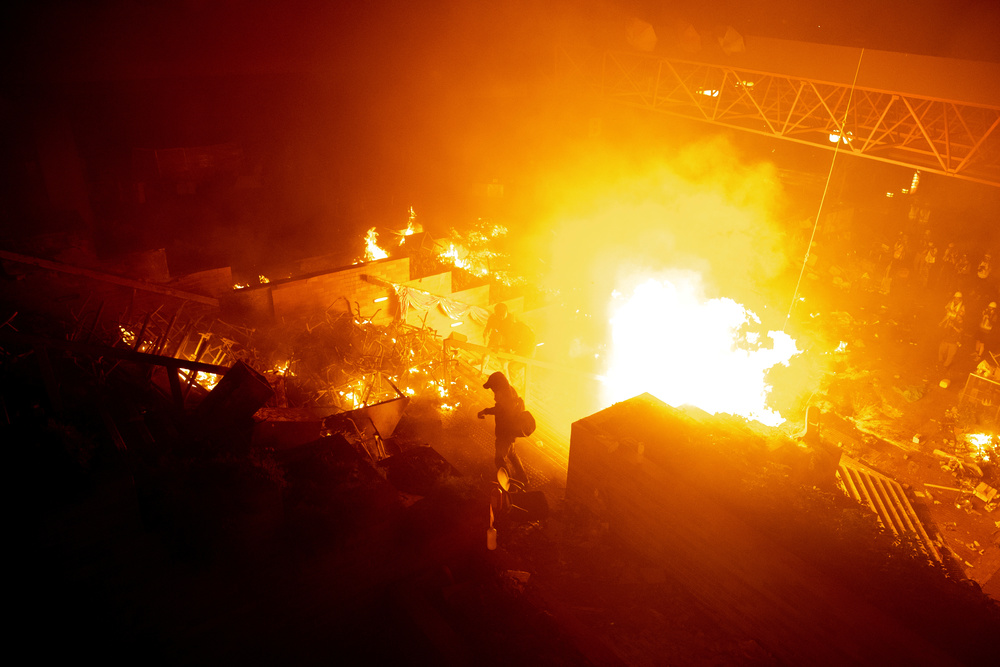
The current unrest could lead to an additional 140,000 adults seeking outpatient services for depression, and roughly 360,000 grown-ups looking for help with post-traumatic stress disorder (PTSD), researchers from the University of Hong Kong warned.
Their study, published in the leading medical journal The Lancet, reported a 12 percent rise in demand for public mental healthcare services following the seven-month unrest.
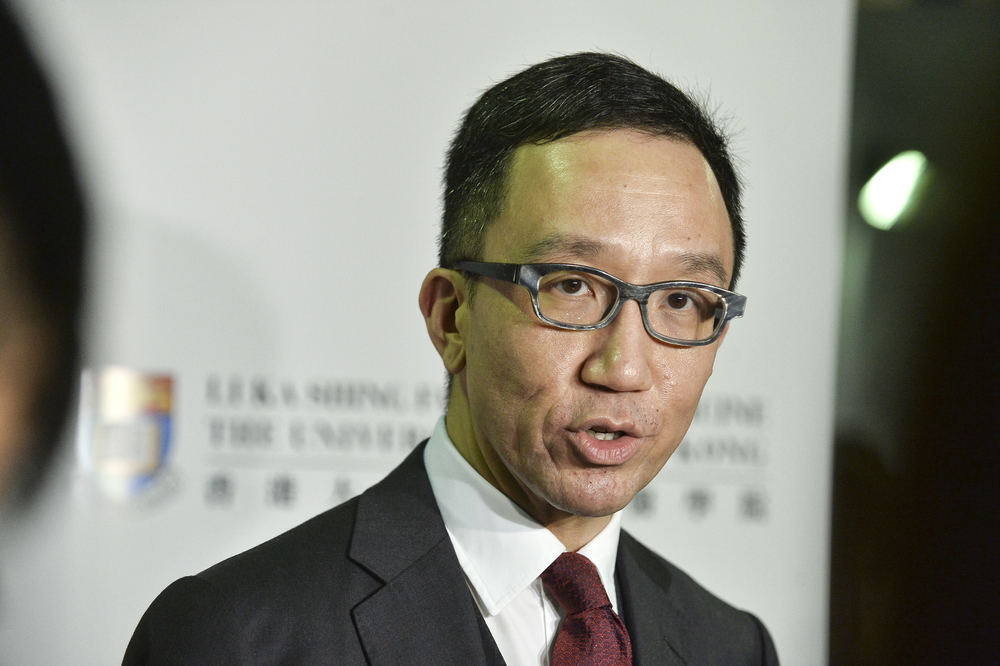
"Hong Kong is under-resourced to deal with this excess mental health burden," said Gabriel Leung, the Dean of Medicine, who co-led the research.
"With only around half the per-capita psychiatry capacity of the UK, and pre-existing average public sector outpatient waiting times of up to 64 weeks, it is important that we enhance mental health and social care provisions so that all those in need are able to access high-quality services," Leung said.
HKU researchers looked into longitudinal data before, during, and after major protests over 10 years.
They included two initial surveys involving 18,000 Hong Kong residents conducted between 2009 and 2011, and between 2011 and 2014.
The results were compared to observations of over 1,200 adults surveyed during and following the Occupy Central Movement, and over 1,600 surveyed two times during the 2019 social unrest until November.
It was found that one in five Hong Kong adults surveyed during the 2019 unrest reported probable major depression or suspected PTSD -- a level comparable to the prevalence of mental health conditions following large-scale disasters, armed conflicts, or terrorist attacks.
Estimates suggest that up to 11 percent of the adult general population in 2019 are affected by probable depression, compared to around 2 percent before the 2014 Occupy Movement —potentially equivalent to an additional 590,000 adults with probable depression, with an estimated 300,000 of these cases potentially linked to the 2019 unrest.
Prevalence of suspected PTSD was around 13 percent at the end of 2019 -- equivalent to around 810,000 adults with PTSD.
Adults using social media for two hours or more a day on socio-political news appear to be more at risk of probable depression and suspected PTSD, the findings suggested.
However, family support seemed to protect against probable depression, potentially acting as a buffer against stress.
Whilst fewer than half of those affected said they would seek help from health-care professionals, the researchers estimate that the ongoing unrest may be associated with an additional 140,000 adults seeking outpatient support services for depression, and roughly 360,000 adults looking for help with PTSD.
amy.nip@singtaonewscorp.com