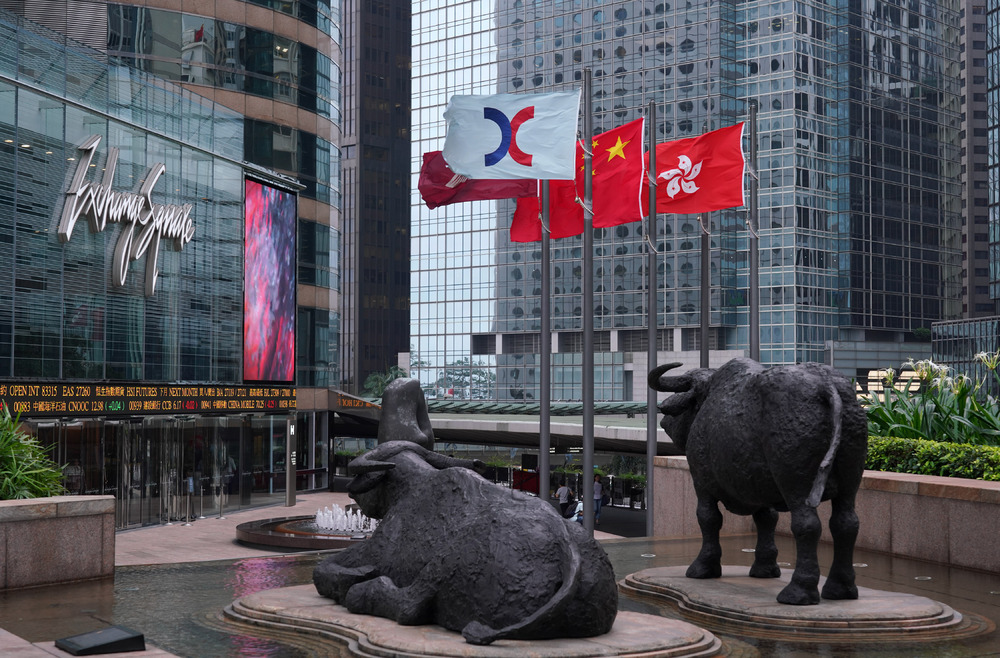
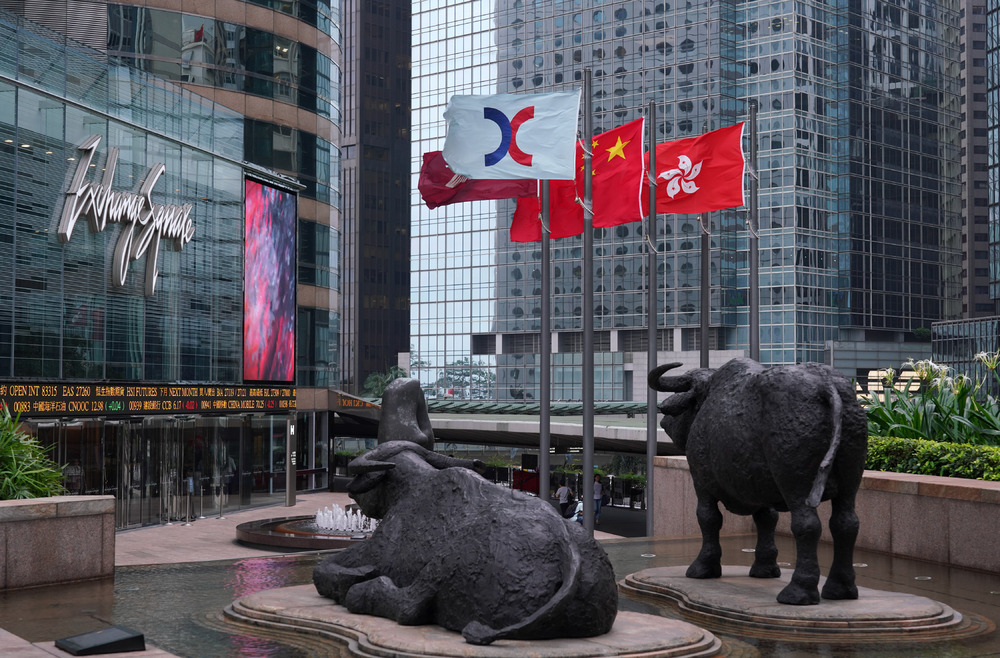
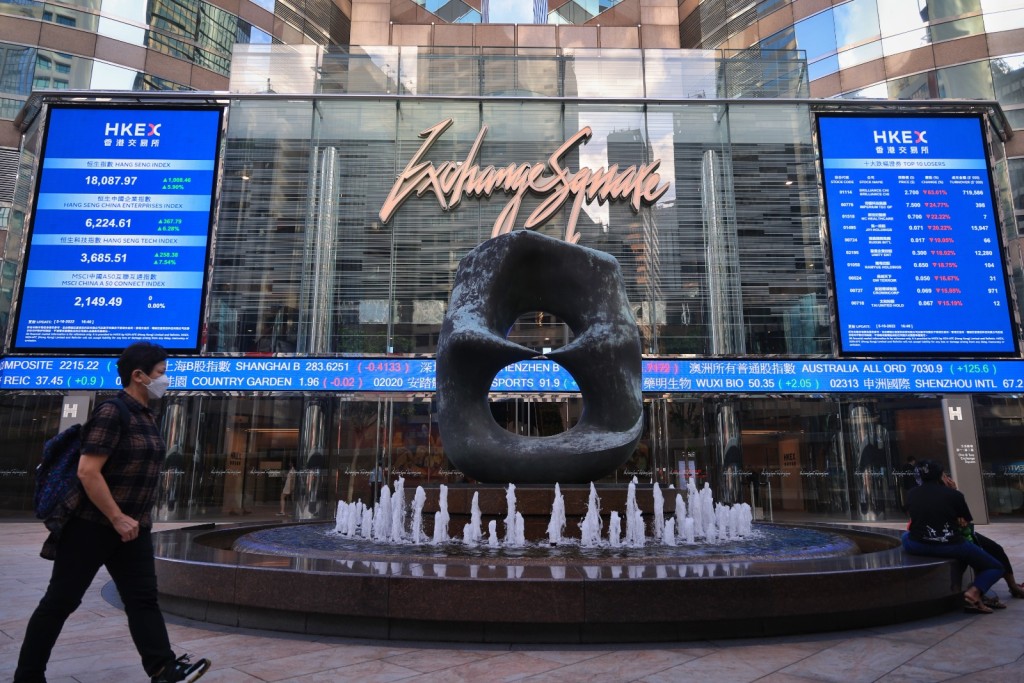
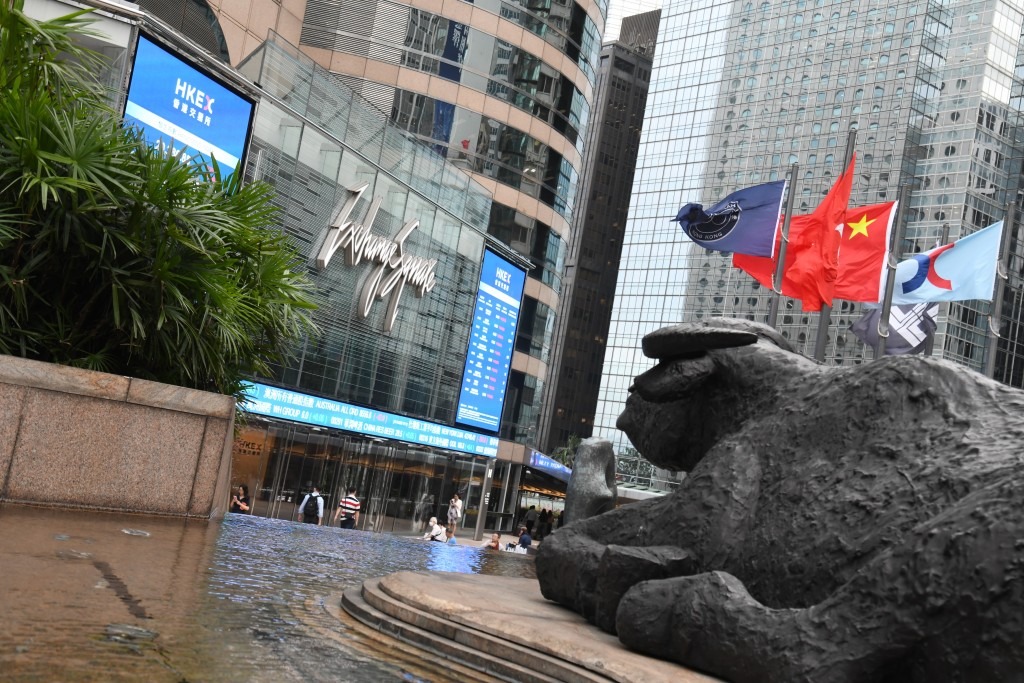
The Hang Seng Index slid 0.36 percent, or 93.54 points to 25,634.38 points as of midday, as Asian stocks wavered.
The mainboard turnover was about HK$97.03 billion. The Hang Seng TECH Index stayed flat at 6,439.67.
Among the blue chips, Xinyi Solar (0968) was the top gainer, whose shares jumped 4.44 percent, at HK$16.92.
ANTA Sports Products (2020) slid 5.55 percent, the worst performer.
The SSE Composite Index went up 0.34 percent to 3,526.49 points. Shenzhen Composite Index fell 0.07 percent at 2,462.04 points.
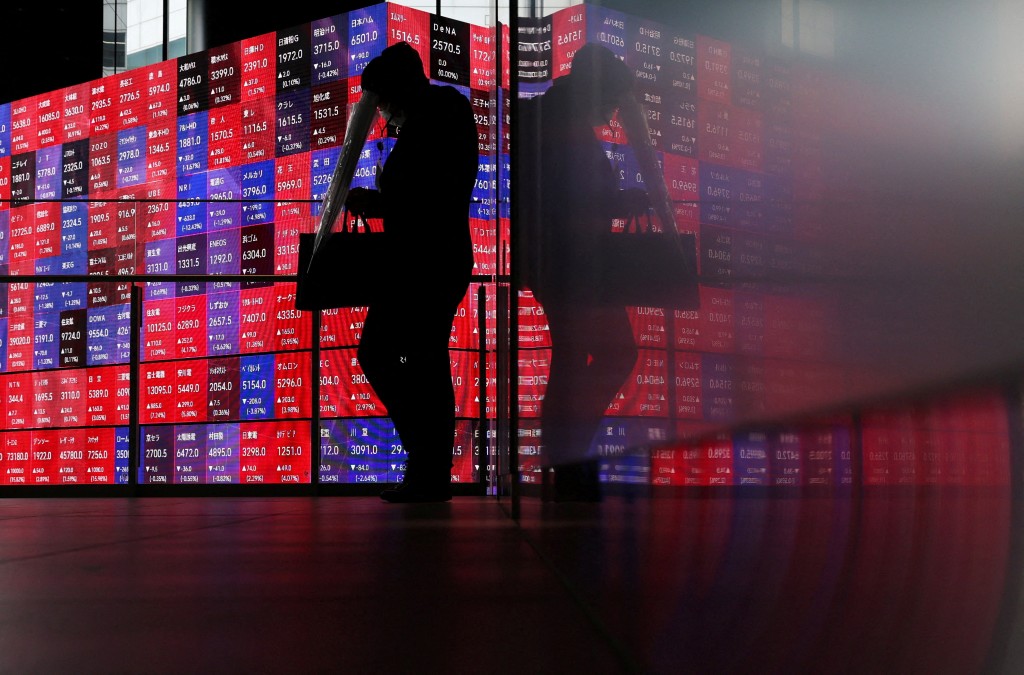
Asian stocks slid Wednesday as investors weighed China’s crackdown on private industries and prospects for the economic recovery from the pandemic. Treasuries were steady and the dollar edged higher.
MSCI Inc.’s regional gauge was little changed as a rebound in Chinese technology stocks faded. U.S. futures fluctuated after the S&P 500 and the Nasdaq 100 closed at all-time highs.
In commodity markets, oil gave up some of its recent gains. Concerns about the impact of the delta variant on demand linger even after China’s success in stamping out virus flare-ups.
China’s 10-year bond yield slipped amid a cash injection by the central bank that indicated officials are seeking to soothe liquidity conditions.
In the latest steps following Beijing’s regulatory clampdown, the Securities and Exchange Commission said it will demand that Chinese companies trading in U.S. markets better inform investors about political and regulatory risks Company earnings, expanding vaccinations and support from monetary policy have partially repaired sentiment after a bout of jitters over the economic outlook caused by the fast-spreading delta strain.
The next key read on the central bank outlook is due later this week when Federal Reserve Chairman Jerome Powell speaks at the Jackson Hole symposium.
“When you look at how investors are positioned, they are all very bullish,” Simon Doyle, head of fixed income and multi-asset at Schroders, said on a webinar. “The market is expensive and investors are all confident, which is something you need to worry a bit about.”
In the U.S., the House adopted a $3.5 trillion budget resolution, helping move forward on the core of President Joe Biden’s economic agenda. -- staff reporter and Bloomberg