Read More





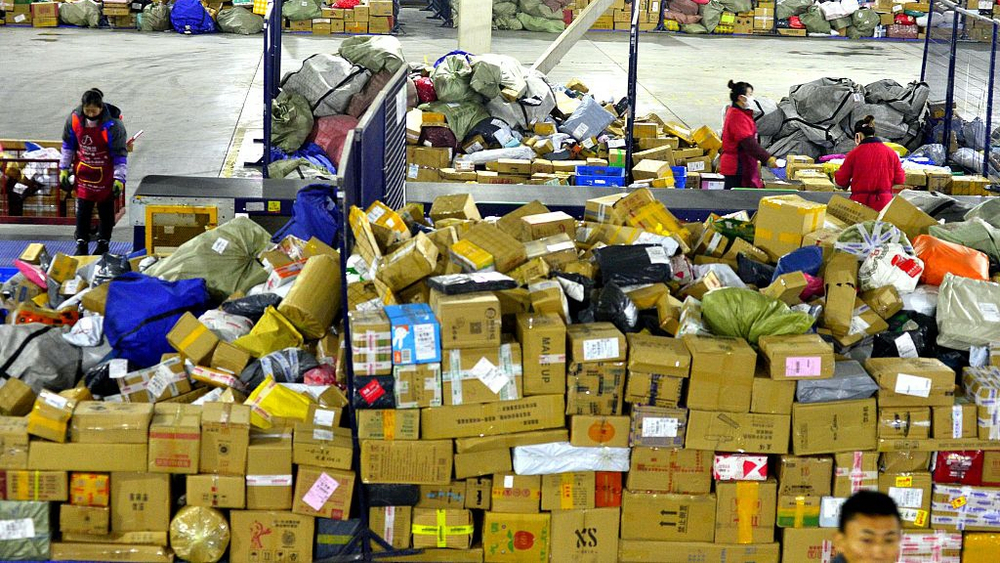
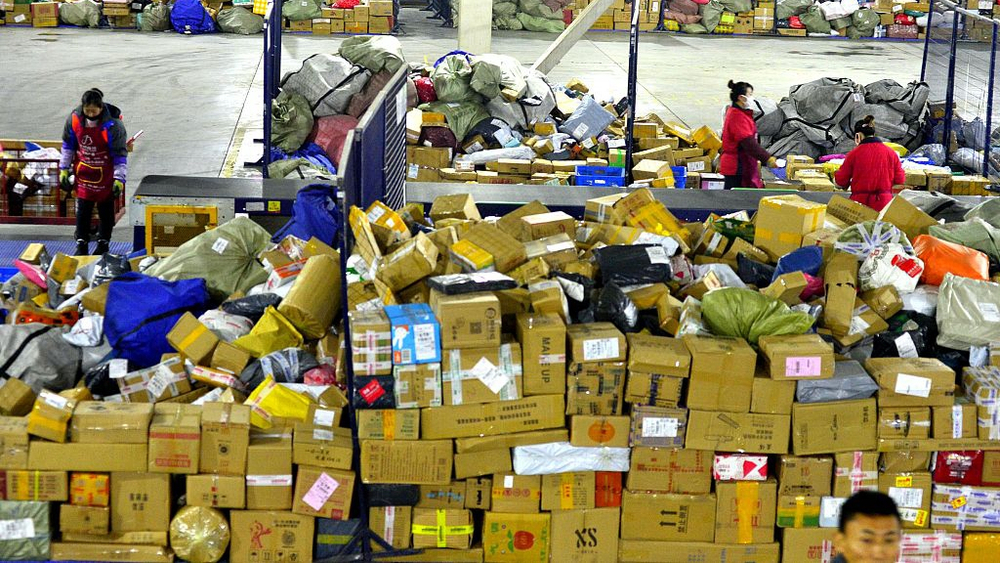
The vacancy rate of logistic facilities in Hong Kong is expected to tick above 3 percent by the end of the year due to weakening domestic and global economies, a report says.
Over the next 12 months, nearly 102,000 square meters of marketable space is set to return to the leasing market when leases end, as some domestic retailers and import/exporters are set to reduce their logistics footprint, professional services firm Jones Lang LaSalle, says in a report.
But on the flip side, there are no projects in the pipeline due for completion before 2022, says Ricky Lau, Head of Industrial, Hong Kong, JLL.
“Growing demand for e-commerce, meanwhile, will create new demand. We expect logistic facilities’ rents to rebound slightly in the second half of next year. In the short run, high-end logistic facilities will face greater downward pressure as companies look for cost-saving alternatives. The rental gap between the high-end and mid-end of the logistics market will narrow.”
There is increasing capital allocation into the sector in Asia Pacific, the shift towards e-commerce accelerated by the coronavirus pandemic, and strong exposure to fast-growth industries, have rapidly shifted how logistics real estate functions and operates, with implications for both owners and occupiers of this asset class, the report says.
Stuart Ross, Head of Industrial and Logistics, Southeast Asia, said logistics remain on the radar of investors although deal activity has moderated. “Recent signs show the market becoming increasingly sophisticated. The inflow of capital into logistics has resulted in more complex transactions and greater participation by both established and new investors into the sector, which we expect to continue.''
JLL forecasts several key themes will gather momentum and reinforce the structural shift occurring in the sector.
The pursuit of platform deals: there is an increasing trend towards acquiring logistics platforms rather than individual assets. Investors gain captive tenant networks and achieve scale quickly through this sophisticated transaction route.
Rapid institutionalisation: the world’s largest investors are investing more into logistics real estate. Additionally, a sizeable portion of new supply is large-scale modern logistics assets of institutional grade, which are expected to draw more institutional capital.
Value upside: while growth in values is likely to slow between 2020 and 2023, investors’ confidence in the structural drivers for the logistics sector is expected to remain intact. Capital values are forecast to stay relatively firm, with modest yield compression expected in some markets across the region.
Overall leasing demand has inevitably slowed during the first half. Net absorption has been about 700,000 sqm lower than in the year before.
However, there has been a rise in short-term demand, particularly from grocery retailers and health service firms.
“The pandemic will accelerate trends already in play across the sector, such as increased internet penetration rates, expansion of online grocery, omni-channel retailing and the integration of technology into logistics and warehousing. However, led by occupier and investor commitments, the sector is well placed to respond to the post-coronavirus recovery,” says Peter Guevarra, Director, Research, Asia Pacific, JLL.