For most of us, the show starts only once the curtains go up. But for British artist Louise Giovanelli, the curtains themselves are the star of the show.
ADVERTISEMENT
SCROLL TO CONTINUE WITH CONTENT
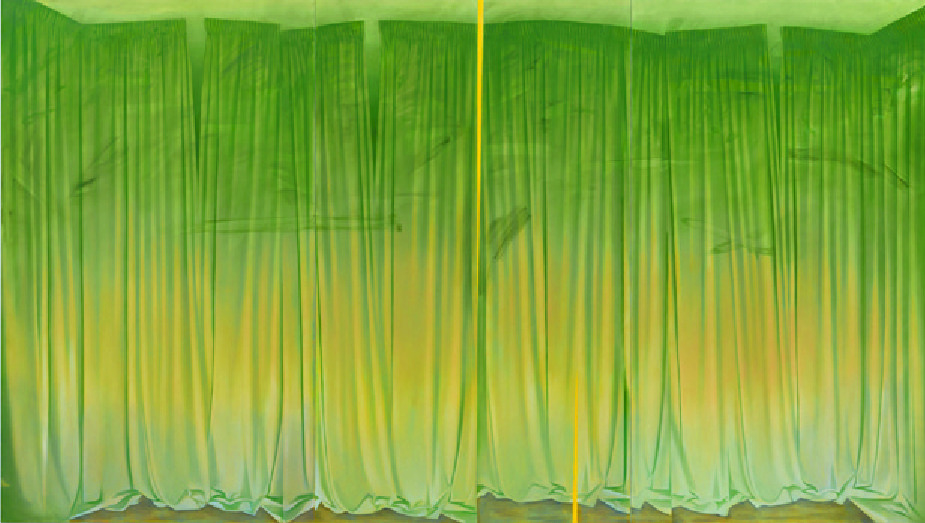
"Curtains are part of what builds pop culture," she said. "You can see them in bars, restaurants, and theaters.
"They offer this promise to enter another realm - and once closed, they contain that promise. The painting hangs in a suspended state, leaving us wondering whether the show is over, or in fact just beginning."
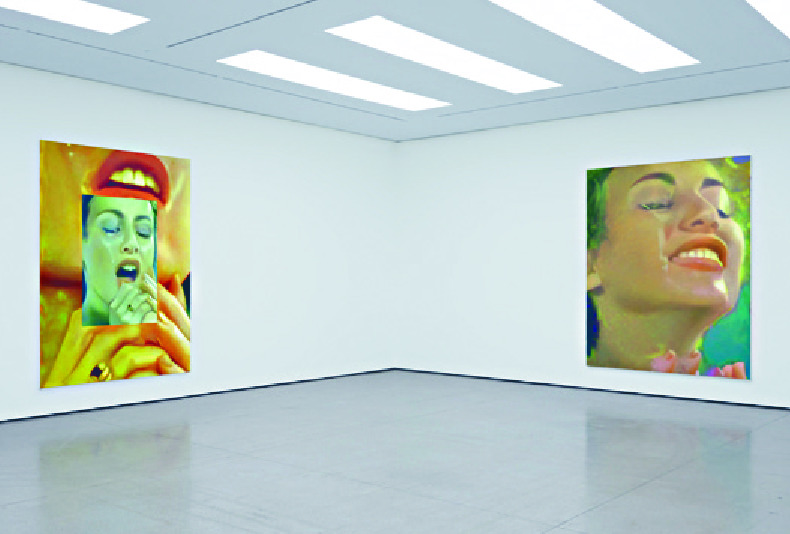
So in her latest solo exhibition, Here on Earth, Giovanelli places curtains at the forefront of the show.
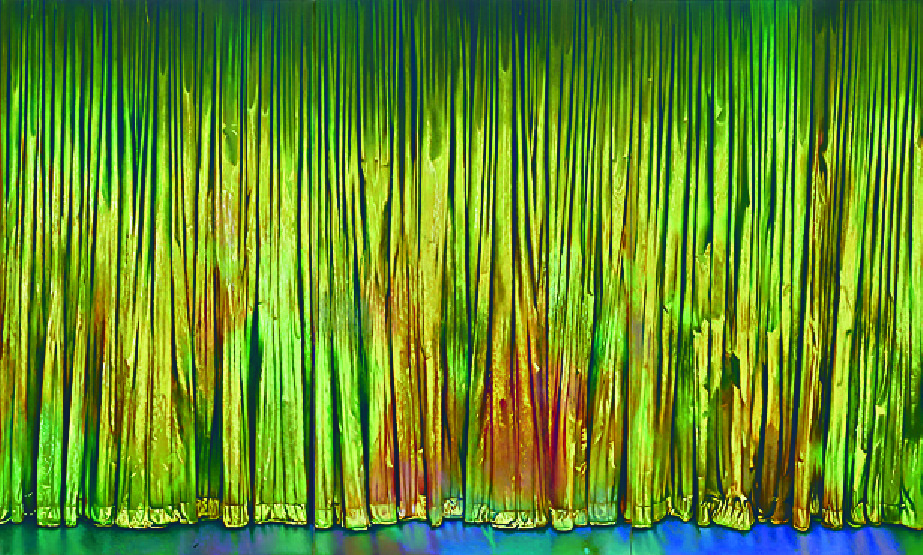
The largest piece on display, Threadsoul, stands at an impressive scale of 300 by 510 centimeters. Life-sized curtains come to life in the painting, radiating a fluorescent green glow.
Giovanelli explained: "I like images of curtains in my show as an anchoring device, which gives off senses of gravity, of weight, and of support. It acts as a theatrical backdrop to the rest of the show."
As the curtains part, a captivating display unfolds.
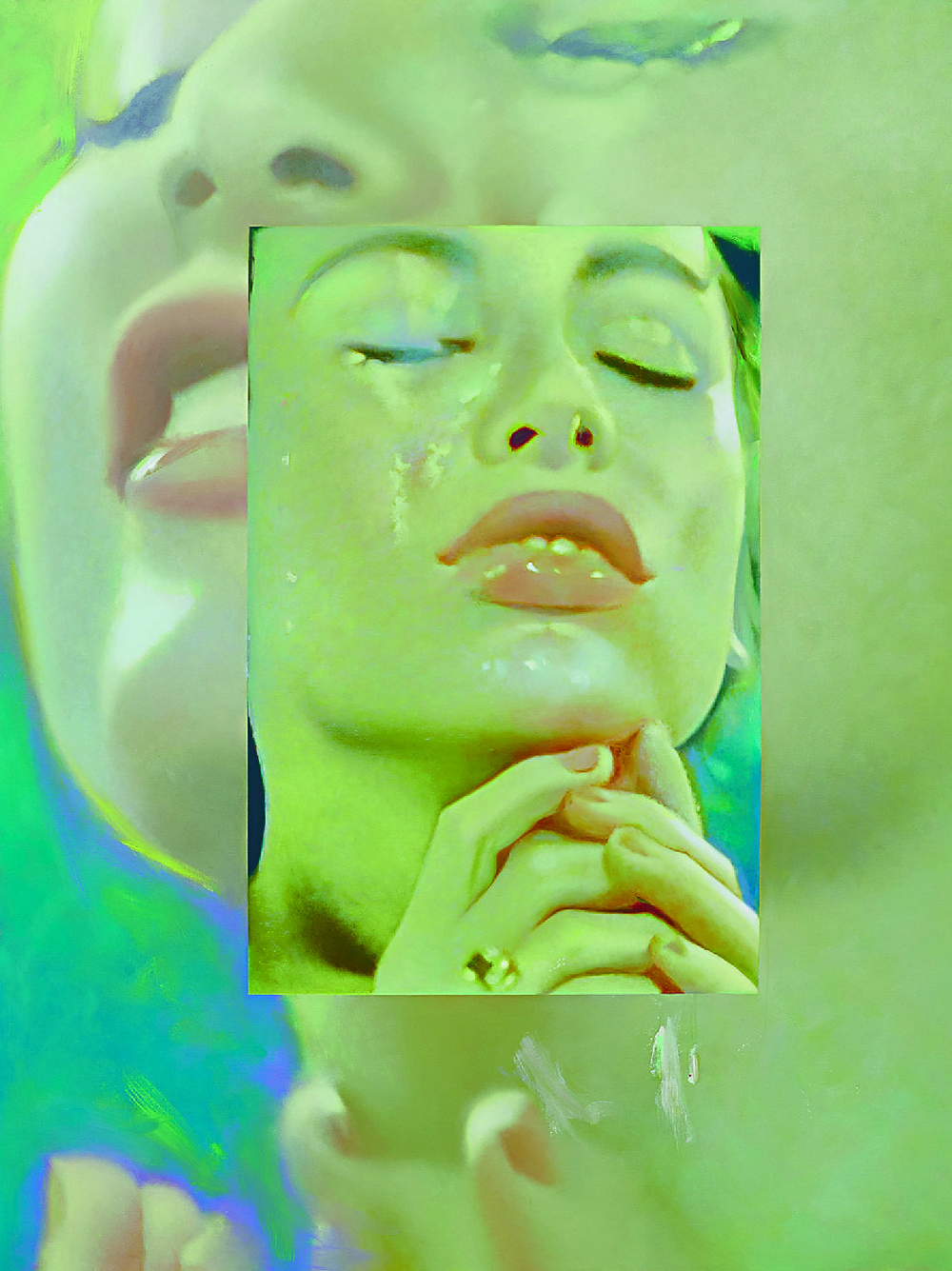
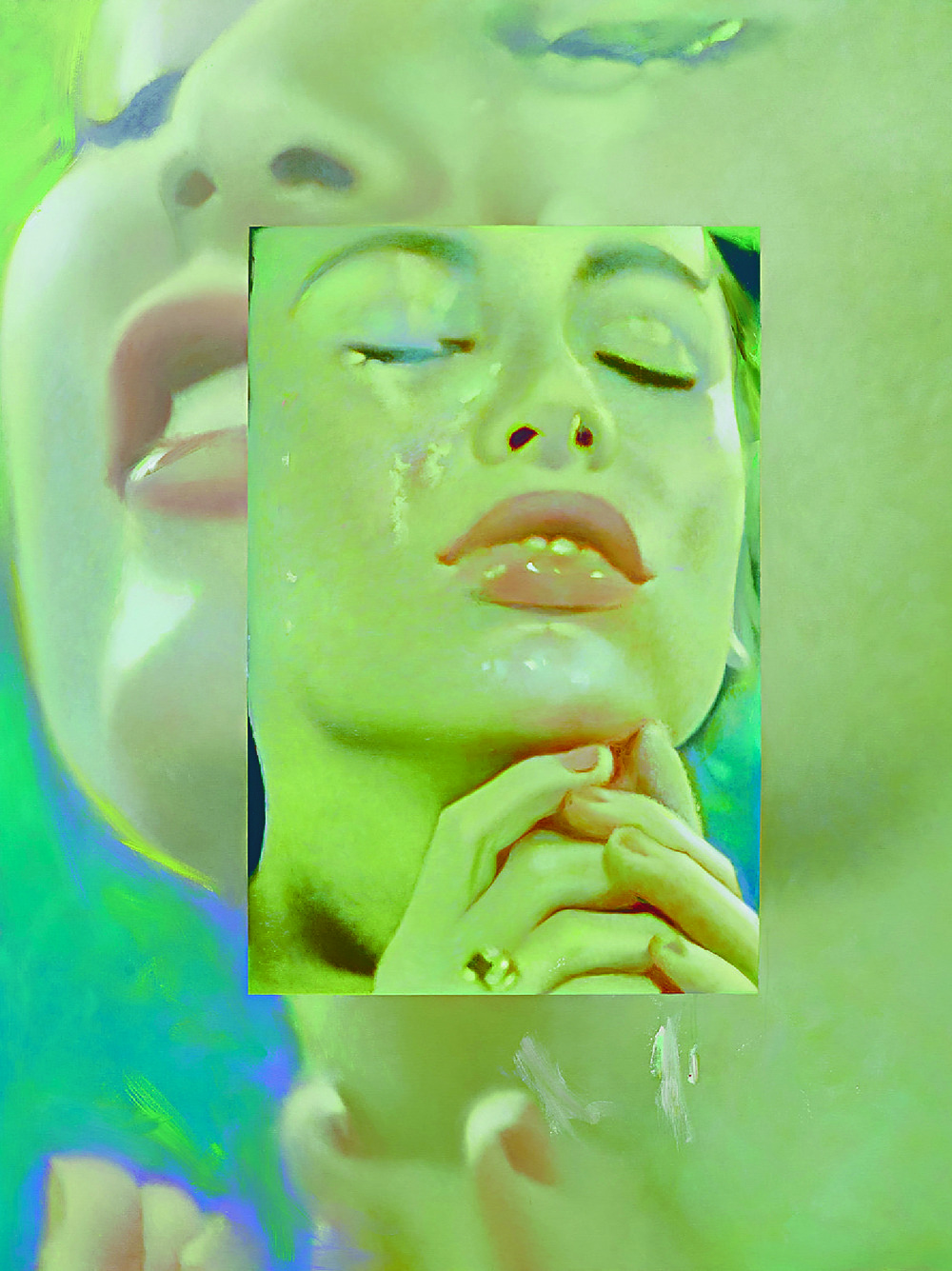
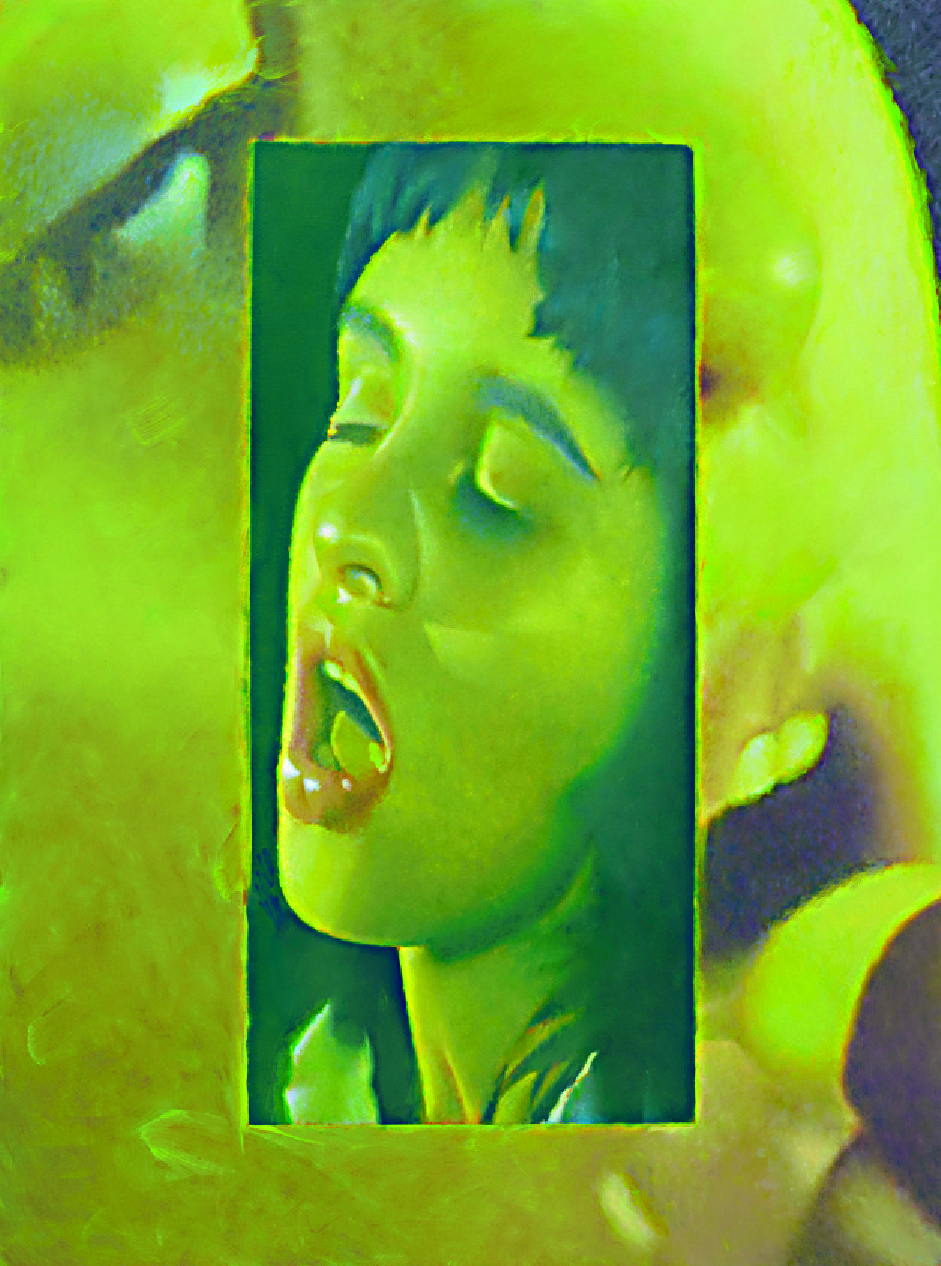
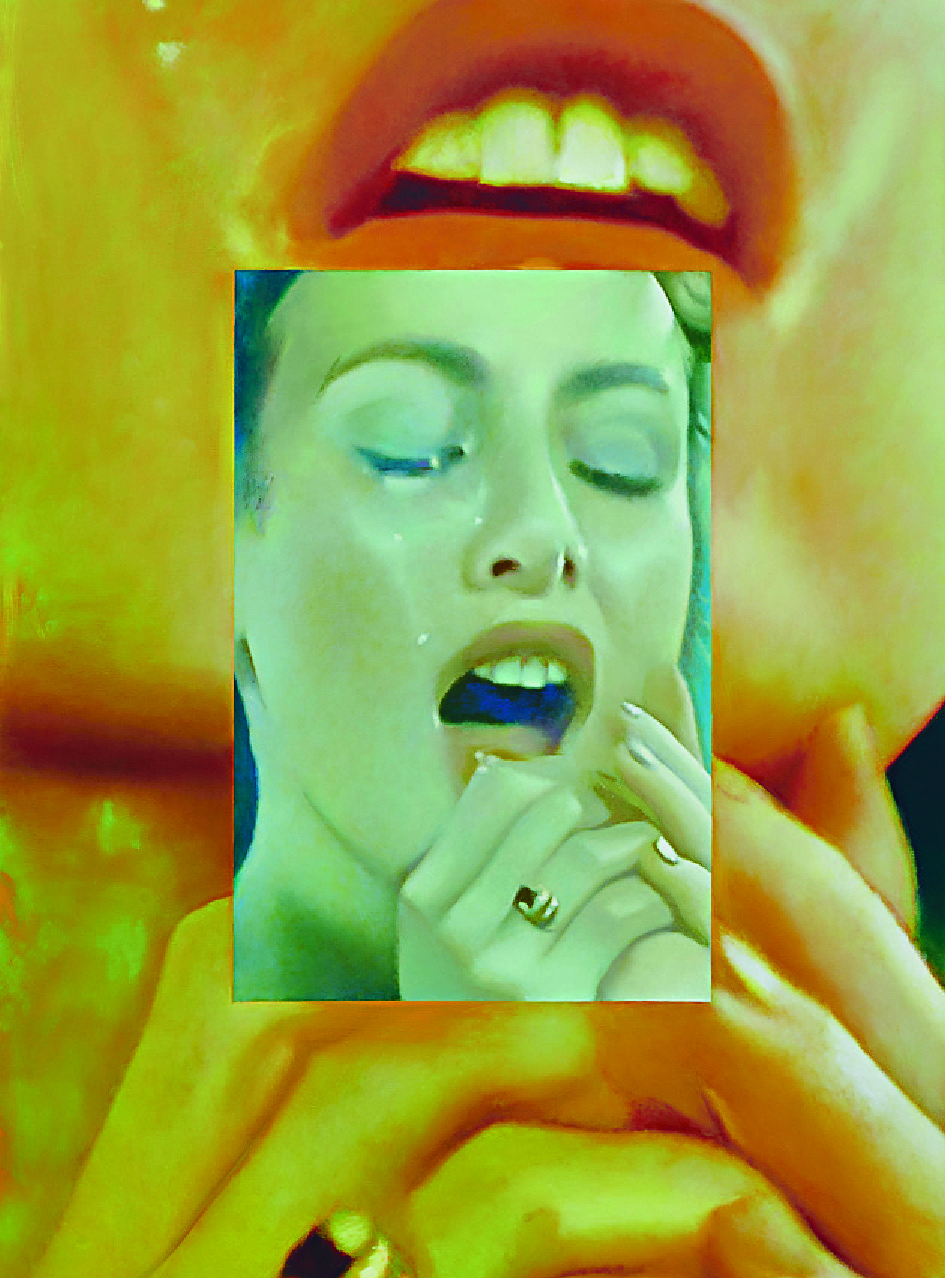
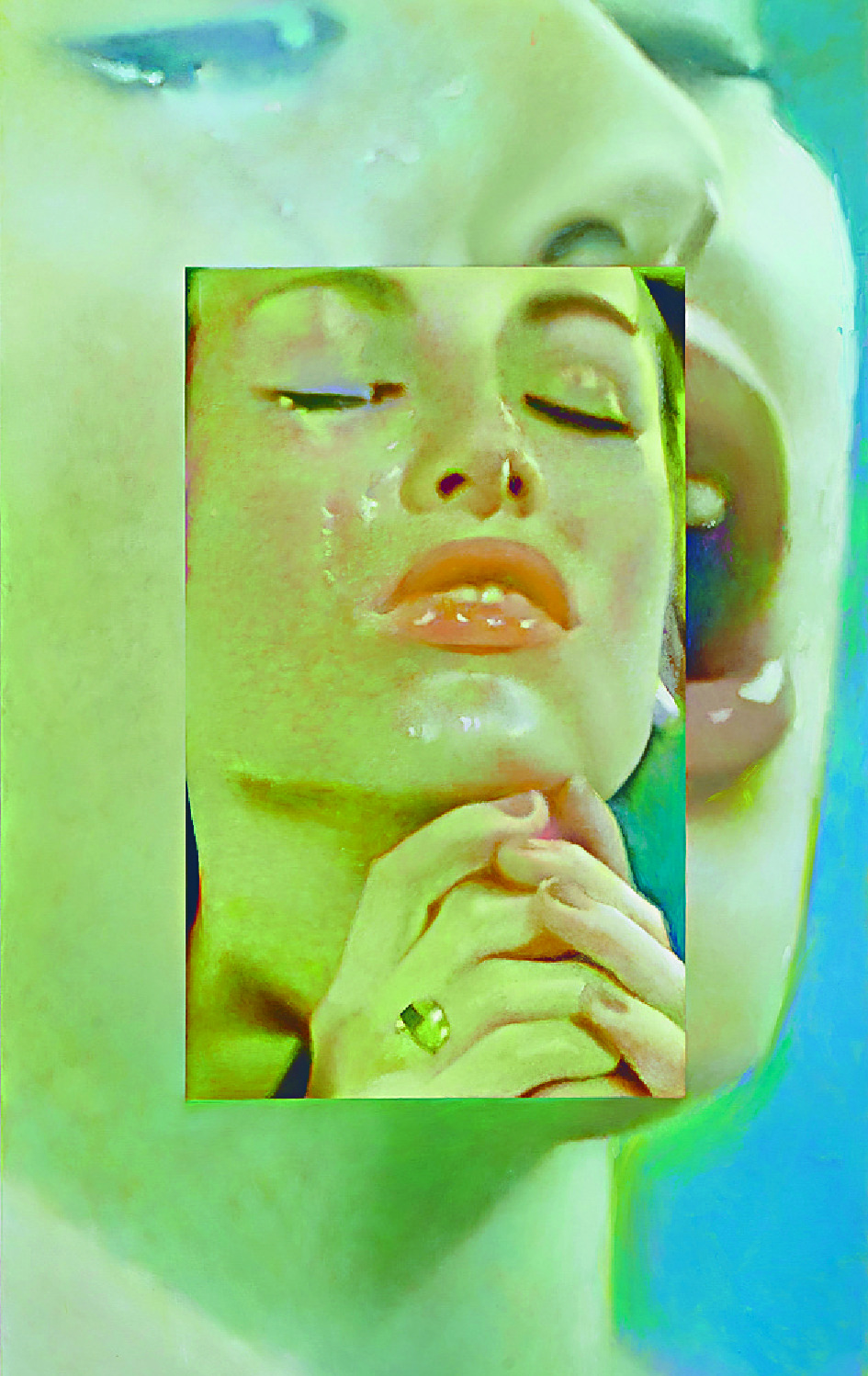
The exhibition showcases a series of close-up portraits of women - all showing euphoric expressions on their faces.
The series is titled Maenad, which refers to female followers of the god Dionysus, the god of wine, fertility, and ecstasy in Greek mythology. Maenads were often depicted as frenzied women, dancing, singing, and engaging in ecstatic rituals in the wilderness.
"Maenads were crucial and important in this ancient Greek ritual called the Eleusinian Mysteries," said Giovanelli. "During the ritual, they get into a transcendent and spiritual state that lasts for days."
Giovanelli sought to capture the essence of this ritual by focusing on the women's faces. Their mouths are slightly open, eyes shut or half shut, evoking a similar expression.
"I wanted it to feel like as if the characters are experiencing something we're not actually aware of - in an ambiguous and heightened emotional state."
Each of the portraits in the series is actually based on film stills from the 1980s.
Giovanelli explained: "I was just spending a lot of time looking for moments in film and cinema where there are these expressions on women's faces, the kind of elevated, ambiguous expressions. I wanted to make it look like she was having a spiritual experience or ecstatic experience."
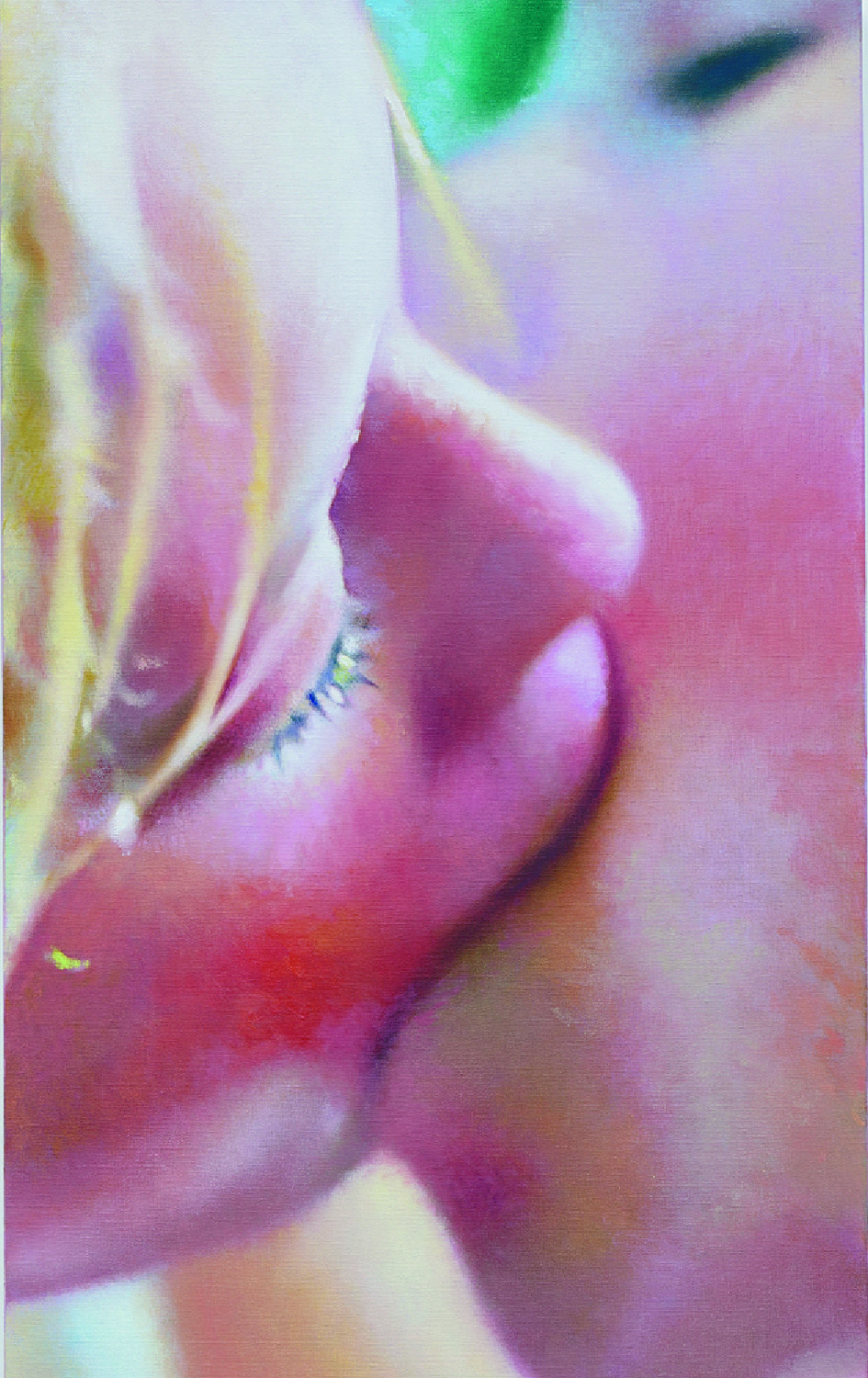
There is also a standalone piece titled Harmony, which depicts two people kissing.
"This one is also derived from a 1990s movie, and I wanted to focus on the act of kissing and the formation of their lips," Giovanelli said.
"It seems to me that the lips are forming a yin and yang symbol, that's why I named it Harmony."
The artist said that she had always been interested in high and low-brow culture, and her works took inspiration from both. Wong Kar-wai's movies, for example, are also a big inspiration for her.
"The first Wong Kar-wai movie I saw was his most famous one, In the Mood for Love," she said. "And I was really drawn to the mood and atmosphere, the lighting of the film. Then I went on to watch almost all of his movies."
Being showcased in Hong Kong for the first time, the artist expressed her excitement for finding the same setting and atmosphere as in Wong's movies.
Looking forward, she hinted her next pieces would probably still focus on curtains. "So if anyone sees curtains in Hong Kong, please take photos and let me know," she joked.
Before the curtains close on May 18, you can visit the artist's solo exhibition, Here on Earth, at White Cube in Central.