Mountains of rubbish are an eyesore as we prefer looking at nice stuff. So why not turn one into the other using good design?
ADVERTISEMENT
SCROLL TO CONTINUE WITH CONTENT
To do just that, the Hong Kong Design Institute has partnered with the Design Museum for Waste Age: What Can Design Do?.
Said Design Museum chief curator Justin McGuirk: "When we were thinking about how design relates to the environment, the issue that came up most was wastage. We live on a waste stage where the thing that we produce most is waste. But nobody wants to see waste."
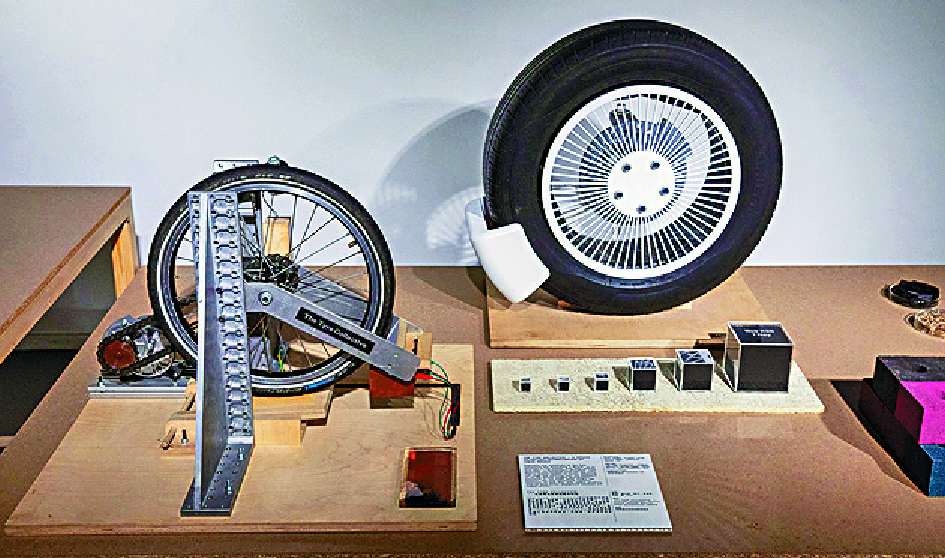
To understand waste, you must first learn about its past. The Peak Waste section introduces its global and Hong Kong history.
The timeline, which starts in the 1700s, will enable visitors to gain more understanding of the waste management process.
Looking at the timeline, you would notice that waste is a relatively new phenomenon. Most of human history was waste-free.
The amount of trash produced by mass manufacturing has increased significantly over the past 200 years due to the industrial revolution. "With the birth of consumer society in the 20th century, it took off, and suddenly waste became one of our main outputs," said McHuirk.
An installation he highlighted is Bottle-Top Chain, which features over 6,600 bottle tops from England. "They were collected from the beaches of Cornwall over a single winter. This intuitive presentation may help visitors understand the significance of the change," he said.
More recycling stories awaits at the Precious Waste section.
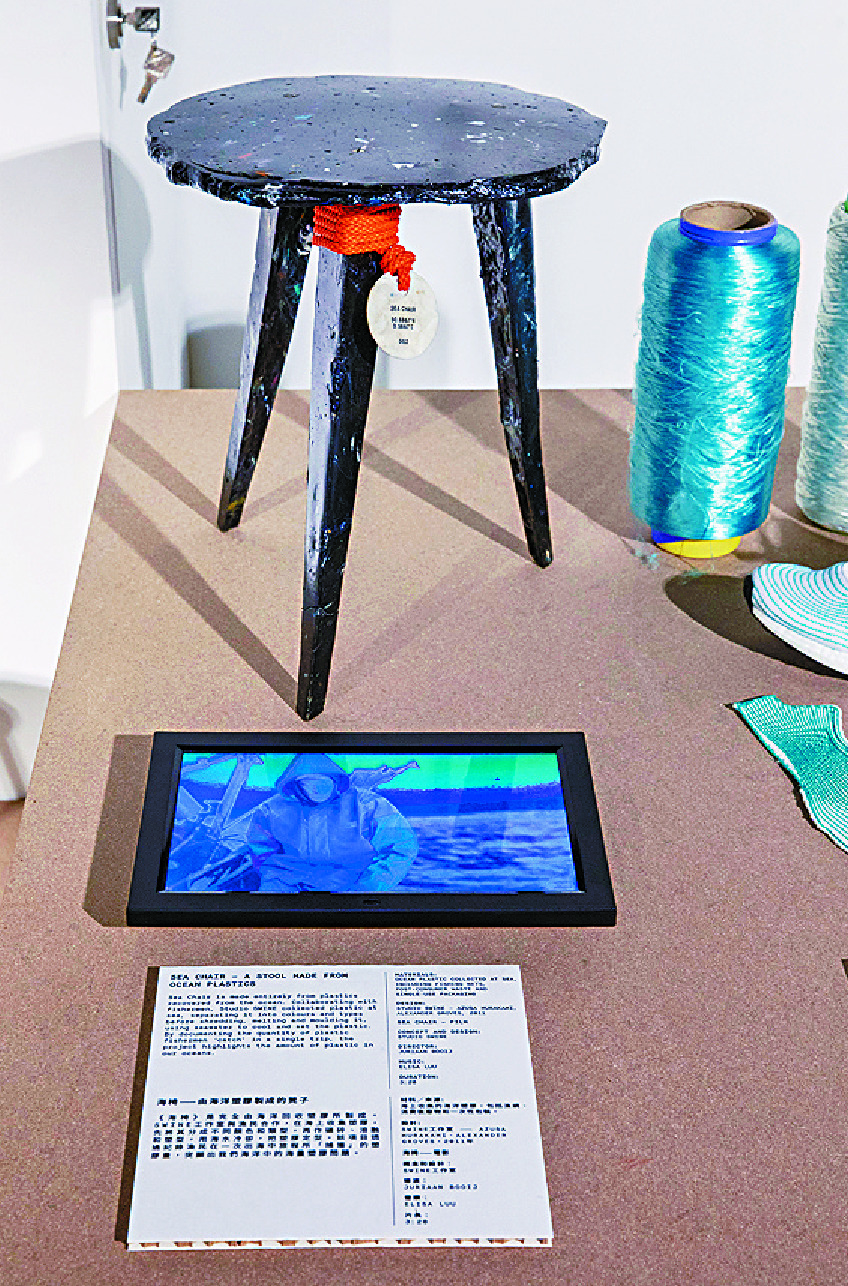
Sea Chair - A Stool Made from Ocean Plastics is produced from sea waste. With the help of fishermen, Studio Swine gathered the plastics, separated them by color and type, then shredded, melted and molded them, before cooling and setting the artwork with seawater.
"There are a variety of plastic recycling stories here, and it is important to get that material back into circulation," McGuirk said.
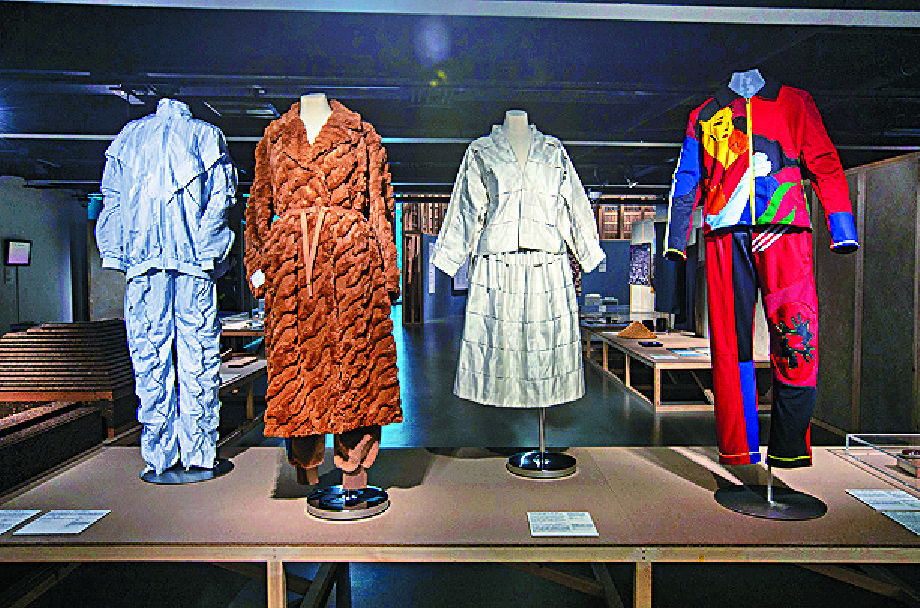
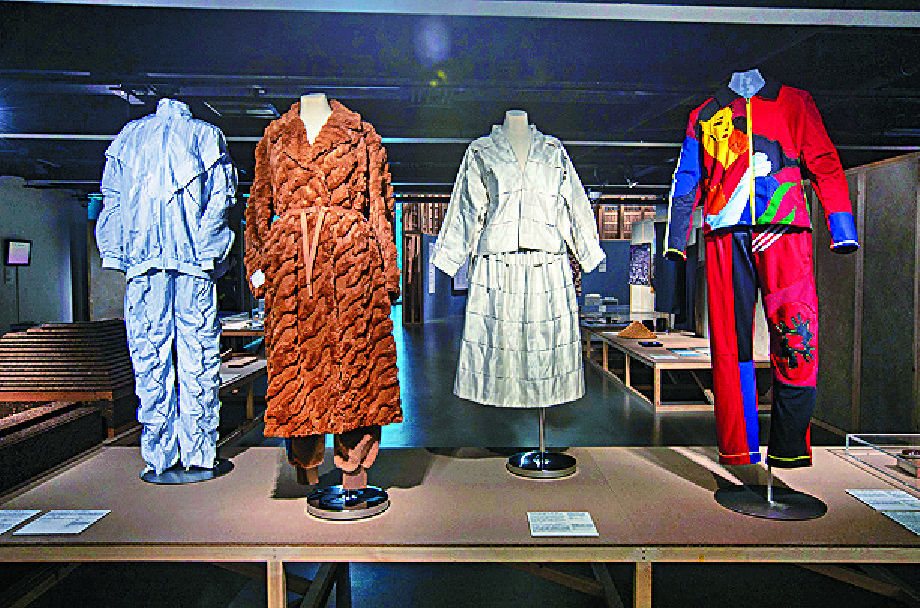
Fashion is one of the most polluting industries in the world. The exhibition also shows how some designers attempt to recycle waste into sustainable resources.
Stella McCartney - A Circular Approach to Fashion Design is a must-see for fashion lovers.
The eco-conscious designer is known for actively working to reduce the environmental impact of her clothes, so she uses various methods, such as using waste or deadstock in her collections.
After experiencing the past and present of waste, the Post Waste section will take you on a journey to explore how we move to a less wasteful design and manufacturing society. It showcases unusual upcycled items.
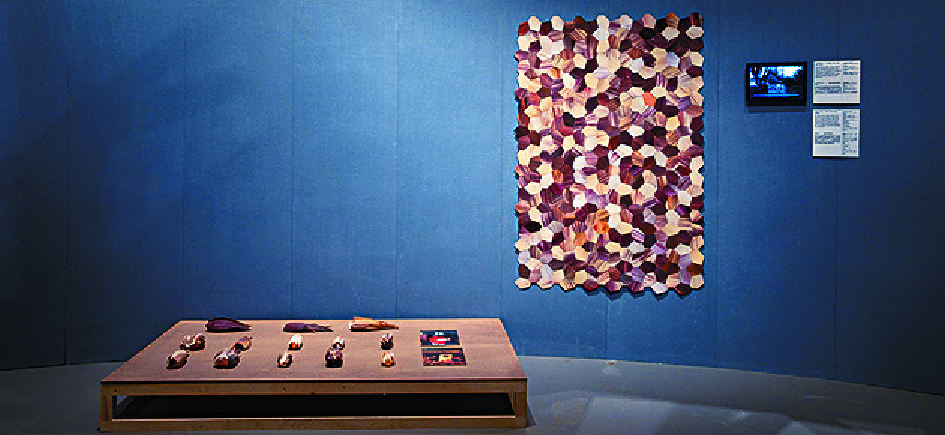
For example, while you can appreciate the beauty of Totomoxtle - A Veneer from Corn Husk Waste, it's hard to see how it is made.
This decorative veneer is made from endangered Mexican corn husk, and its designer Fernando Laposse collaborated with Tonahuixtla indigenous communities to support resilient farming practices and preserve local biodiversity.
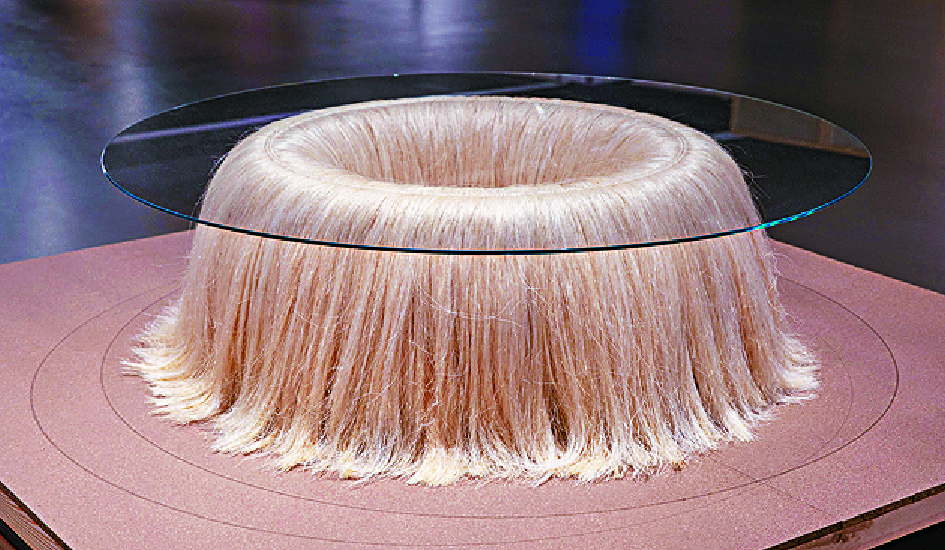
Another example of the circular economy is the Sisal Table - Made from Agave Leaves.
"The agave plant is what makes tequila, so the waste from the tequila, from the agave plant, you can turn into these fibers," McGuirk said. "It shows ways to use agricultural waste to replace many types of plastics."
The pursuit of sustainable development is a long-term process.
"If we embraced waste as an issue, instead of shying away from it, we would have to rethink so much of modern life," said McGuirk.
"In that sense, it is a potentially revolutionary topic."
Waste Age: What Can Design Do? is showing until May 7 at the Hong Kong Design Institute.