Read More


Why HKIA's ground transport experience matters | Fongmula | Francis Fong
22-09-2026 02:34 HKT







John Lee and CY Leung lead pallbearers for Tung Chee-hwa
20-09-2026 15:54 HKT
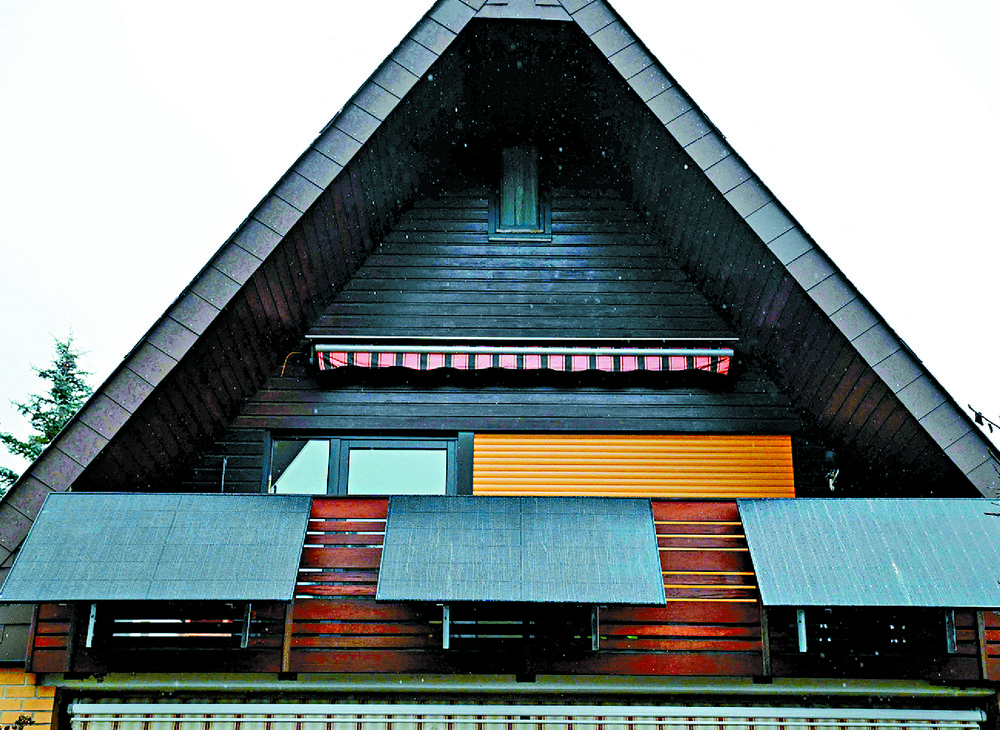
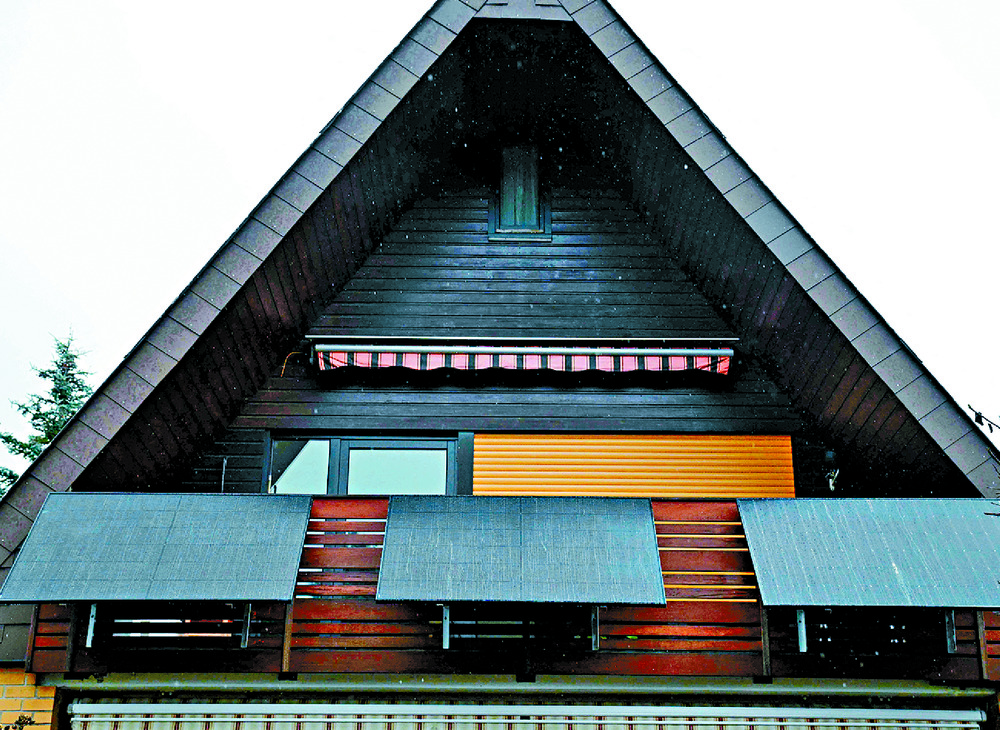
The amount was modest now, said Sax, who admitted to being addicted to the phone notifications that keep track of the panels' output, "but we've saved 79 euros (HK$630) since installing them in August."
That was more than double the number from a year earlier and 10 times the figure for 2022.
Installation numbers are likely an underestimate, said Leonhard Probst, a researcher at the Fraunhofer Institute for Solar Energy Systems, since the kits often remain unregistered.
Cheaper than photovoltaic roof panels and easy to install - the panels simply plug into power sockets - balcony solar is taking off as Germany seeks to switch to renewables.Europe's largest economy wants 80 percent of gross power consumption to come from renewables by 2030, up from 59 percent last year. Solar power supplied 14.6 percent of Germany's electricity last year.
Far less powerful than roof panels, balcony solar kits cover only part of a household's energy needs and are used for tasks such as charging computers or powering dishwashers.Probst estimates that the kits make up only about 2 percent of the almost 100 gigawatts of Germany's total solar capacity, but he expects that share to grow and thinks the kits could boost solar more broadly.
"There's an educational effect, it familiarizes a larger number of people with solar power and might spur them to invest in more powerful systems," he said.Oliver Lang, based in Berlin and head of solar kit company Sonnenrepublik, said the firm had grown in recent years thanks to the Covid-19 pandemic and the war in Ukraine. "At the beginning it was niche, there was very little demand when we started selling them six years ago," he said.
"It started during Covid when people had time on their hands, then the war in Ukraine began and there was a fear of electricity shortages, and then subsidies came in."City authorities in Frankfurt gave Christoph Stadelmann, a 60-year-old teacher, half of the 650 euros he paid for his kit at the beginning of last year.
Stadelmann expects to make his money back within three years."Typical roof panels, a more powerful system, start from about 15,000 euros," said Lang of Sonnenrepublik.
"They'll take 15 years to pay off."German energy prices have stabilized after a peak in 2022 but are still among the highest in Europe.
Opinion polls show that the cost of living is one of voters' major concerns ahead of parliamentary elections on February 23.Cost savings were more important than environmental concerns in Sax's decision to plump for balcony solar panels, he said.
Government measures have supported the boom.Kit owners now no longer need to register the devices, and people who live in apartment buildings can use them without the owner's or building manager's permission.
Supportive regulation is the main reason for Germany's tilt towards balcony solar panels, with uptake far ahead of other European countries, said Christian Ofenheusle, founder of EmpowerSource.Mirjam Sax, married to Jens, said she would recommend balcony solar panels in spite of Germany's sometimes gray weather.
"If you've got a balcony, if you've got a bit of sun, you can put up a panel or two to see if it's worth it," she said. "It's easy and there's a price for every budget."AGENCE FRANCE-PRESSE