Artificial intelligence will be central to the next wave of industrial development, creating new technology businesses while transforming established industries. Realizing this potential, however, cannot be left to market forces alone. It requires a coherent long-term government strategy to mobilize resources, attract investments, build infrastructure, and develop the supporting ecosystem needed for innovation and widespread adoption.
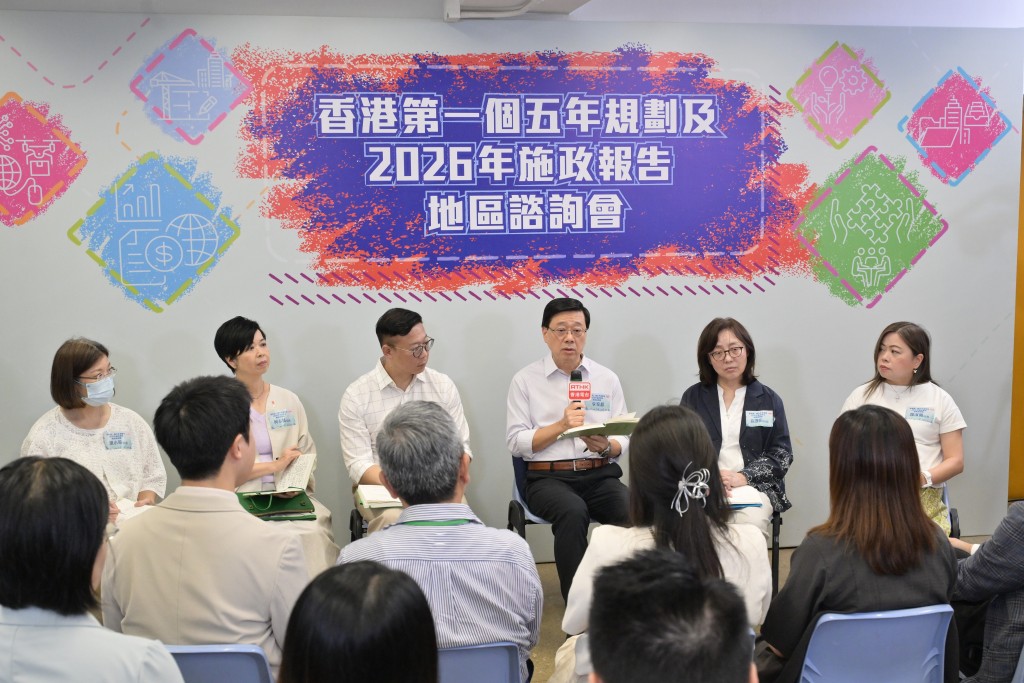
The government's latest policy agenda rightly recognizes this need. The first Five-Year Plan places AI at the heart of Hong Kong's future development, setting out a long-term vision and roadmap for building the sector and expanding its use across the economy.
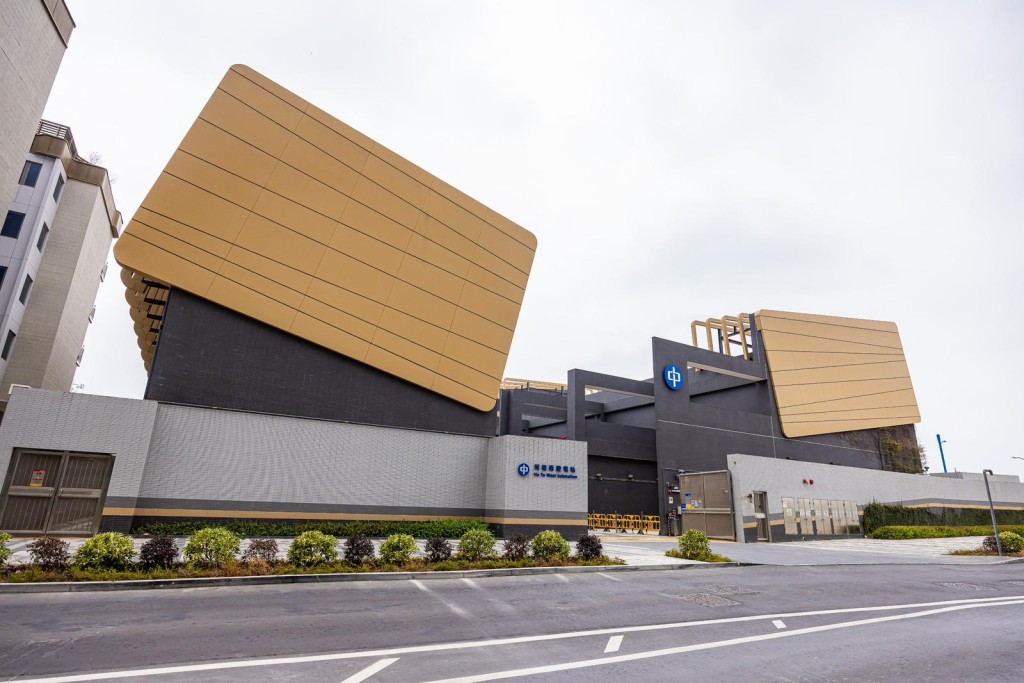
The policy address translates this strategic direction into practical measures to accelerate AI development across different sectors while safeguarding security. Particularly exciting is the potential of the Northern Metropolis, which can provide the space and supporting infrastructure – such as the planned Sandy Ridge Data Facility Cluster – that industries need to develop, test, and deploy AI solutions.
Deepening AI's integration into the real economy is key to unlocking its full potential. Its value lies not only in technological sophistication, but in raising productivity, enabling new products and services, and supporting sustainable industrial growth. The "AI+" initiative captures this two-way relationship: Industries provide the demand and application scenarios that help AI mature while AI enables businesses to innovate and compete. The policy address marks an encouraging step toward wider AI adoption across the economy, highlighting projects already under way in finance, education, healthcare, transport, construction, and public services.
Effective AI integration also depends on access to real-world application scenarios in which companies can test, refine, and validate their solutions. Encouragingly, targeted schemes are already opening more sectors to such trials. The proposed Hong Kong Innovation and Technology Application Scenario Promotion Centre is particularly welcome, as it can coordinate these efforts, match operational needs with suitable technologies, and help promising innovations progress from testing to commercial adoption.
Another key to AI development is to make AI accessible to SMEs. Many small and medium-sized enterprises recognize its potential but lack the resources, expertise, and confidence to identify suitable applications and manage data and cybersecurity risks. The proposed enhancement of the BUD Fund and support from the Hong Kong Productivity Council are positive steps. Assistance should ultimately help SMEs progress from simply using AI to improve efficiency to applying it to redesign processes, develop new offerings, and create new business models.
Equally important is the government's commitment to using AI in governance and public services. The proposed "AI City Brain" could improve efficiency and service quality while providing a valuable application scenario for locally developed solutions. The government could consider drawing on the expertise of local technology companies and involving them into AI-enabled governance projects.
By setting out a clear and forward-looking long-term strategy, the Five-Year Plan serves as a strategic anchor for AI development. The practical measures already underway represent an encouraging start. FHKI firmly believes that sustained implementation and close collaboration among government, industry, and academia can turn Hong Kong's AI ambitions into lasting economic value and a defining competitive advantage, opening a new chapter of innovation, industrial development, and economic growth.
FHKI is a statutory body with over 2,000 members in Hong Kong from 33 industry groups set up through a legislative procedure, over 1000 members in the GBA, and over 100 members in ASEAN.