Read More



The discipline of specification | Human Reinvented | Frank Ng & Ryan Ng
26-05-2026 04:19 HKT




Hong Kong a conduit for mainland, French firms
26-05-2026 06:00 HKT


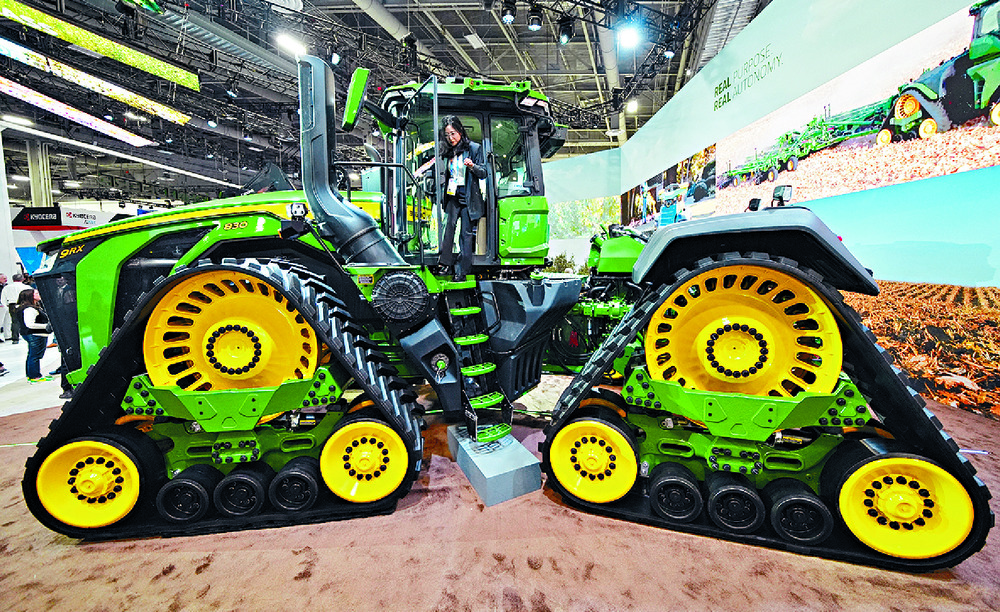
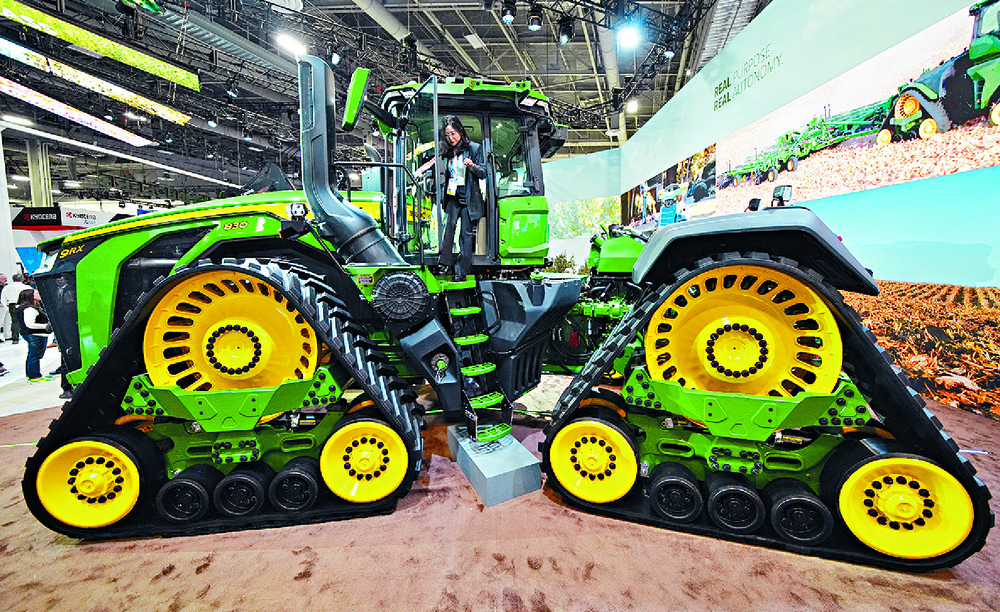
They include tractors, construction dump trucks and boats that dock themselves, as well as a robotic golf cart that doubles as an AI-enhanced super caddy.
On roads, "the complexity of the problem multiplies significantly," said Barry Lunn, CEO of sensor company Provizio.
These conditions, known in tech circles as "edge cases," are present in every kind of autonomous transport, even if they seem uniquely difficult for cars.
In marine transport, edge cases can involve poor light or rainy conditions, said David Foulkes, chief executive of boat builder Brunswick.These dynamics, as well as the presence of salt and other deposits can interfere with key hardware.
Brunswick is showcasing the autonomous docking system on the Boston Whaler, a 40-foot luxury boat that uses six stereo cameras that are derived from military drone technology.It saw little upside in broad use of autonomy as recreational boaters relish driving but docking is the one area where they "appreciate additional help," said Foulkes.
In agriculture, technologists also face distinct complications.Willy Pell, chief executive of Blue River Technology, said the John Deere-owned firm discovered that lights on tractors attracted insects at night, which can interfere with key sensor equipment.
"A moth weighing less than a single ounce would bring our 40,000 pound machine to a halt," Pell said. "It was a software bug in all senses of the word."John Deere is presenting an autonomous battery-run lawn mower, an autonomous dump truck for construction sites and an autonomous diesel orchard tractor.
The tractor can be used to spray insecticide six to eight times per year.When it comes to cars, autonomy is still not close to mainstream adoption.
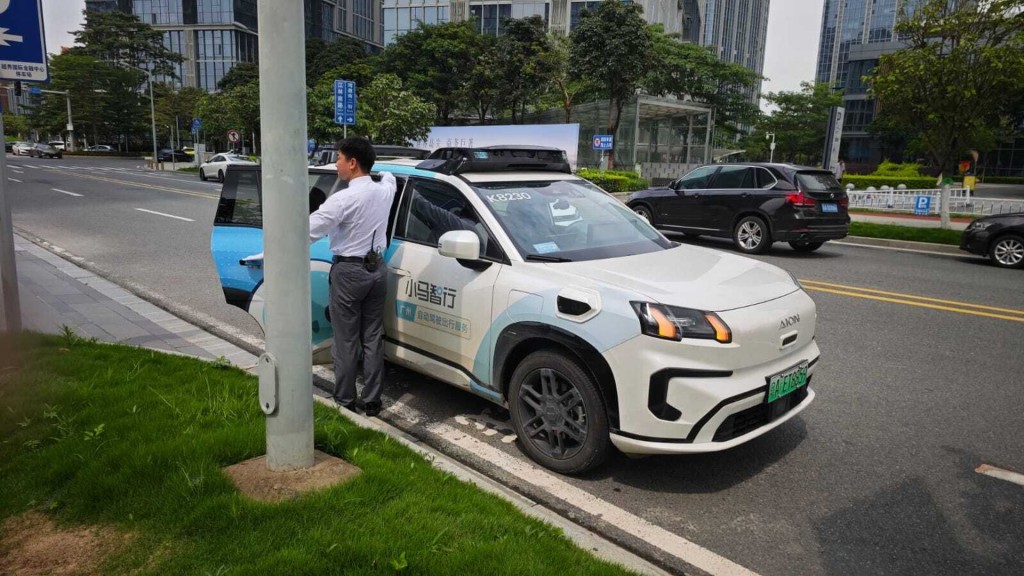
Waymo, which now operates robotaxi service in three US cities, recently faced a novel security challenge after female riders in San Francisco were harassed by another vehicle that followed the robotaxi,.Waymo, which served four million autonomous rides last year, plans to expand to other US cities and Tokyo in its first international foray.
Other big autonomous players at CES include the Amazon-owned Zoox and car companies such as Mercedes-Benz and BMW, which have received German approval for autonomous driving in very limited situations.While Tesla is not at CES, some exhibitors are preparing for the day when today's driver is able to tune out the road.
"Consumers are looking at cars asanother environment where you want to be relaxed or enjoy yourself," said Jeff Jury, senior vice president at Xperi, which sells multimedia technology in cars."You're going to see a continual march toward autonomy but this idea of full autonomy [in cars] is still 10 or 15 years away," Jury said. "There's just too much that needs to be worked out."
AGENCE FRANCE-PRESSE