Read More
I said last week that a hybrid model might bring the best out of working from home and in the office.
ADVERTISEMENT
SCROLL TO CONTINUE WITH CONTENT
During the Covid pandemic many workers may have experienced full-time WFH for the first time, being isolated from coworkers and friends. Daily living routines have been disrupted, which may add stress and physical and mental strain.
On the other hand, working from home can help achieve a better work-life balance because people avoid long and stressful commutes between home and workplace, and they have more time for family.
Other benefits of WFH include increased worker satisfaction, productivity and reduced staff turnover.
According to data from the Opinions and Lifestyle Survey by the UK Office for National Statistics in February, more than 80 percent of workers said they planned to do hybrid work.
The most common hybrid work pattern mostly involves working from home
We know there is no one size fits all. So where is the pivotal point in the hybrid mix?
Businesses have a legal mandate to maintain a safe and healthy workplace or allow employees to work from home in managing the Covid risk to workers.
It is a shared responsibility and commitment by both employers and staff to ensure business continuity and employment.
The decision to offer flexible schedules reflects the reality of millions of workers quitting jobs in recent months to seek higher pay, better benefits or hierarchical management systems to achieve more control over their work-life balance.
So now I want to examine two guiding principles to navigate the complexities and maximize the best of both worlds: the workplace strategy and people's gravity.
The first principle is an efficient workplace design strategy.
Today's workforce is characterized as mobile, agile and collaborative. Employees use workplaces differently, but organizations frequently provide workspaces that sit empty when people are in meetings, in the field, at home or on holidays.
Ridiculously, organizations are paying significant sums for individual workspaces not being used. And so an efficient workplace design strategy is therefore essential.
It integrates the key elements of physical space design, information technology (both infrastructure and devices), and effective human resources policies to better enable work and increase operational efficiency.
It can be a significant driver of real estate portfolio savings and contribute to company values, cultures and the brand.
And, interestingly, the ability to work from home will become part of a new benefits package and impact on talent attraction and retention.
People's gravity is yet another important principle.
Essentially, work is not a place where we go but what we do. And much work is going to carry on in the office and away from it.
Increased opportunities for virtual and face-to-face collaboration foster the belief that the role of the "office" is to enable and optimize human interactions among team members and coworkers that foster key business priorities such as innovation, knowledge sharing and speed to market.
That's essentially an invisible force, like gravity, that pulls people toward each other through the design and choice of the office space.
It means flexibility and choice for employees to be productive from a variety of settings, including corporate sites, customer locations or at home. It doesn't mean you have to be in the office every week. It largely depends where people are located and if you need to connect to them.
For example, Indian technology giant Tata Consulting Services announced recently that employees need to be in the office only 25 percent of the time, and the days may differ from group to group.
The guiding principle is that a team decides what the colocation schedule will be.
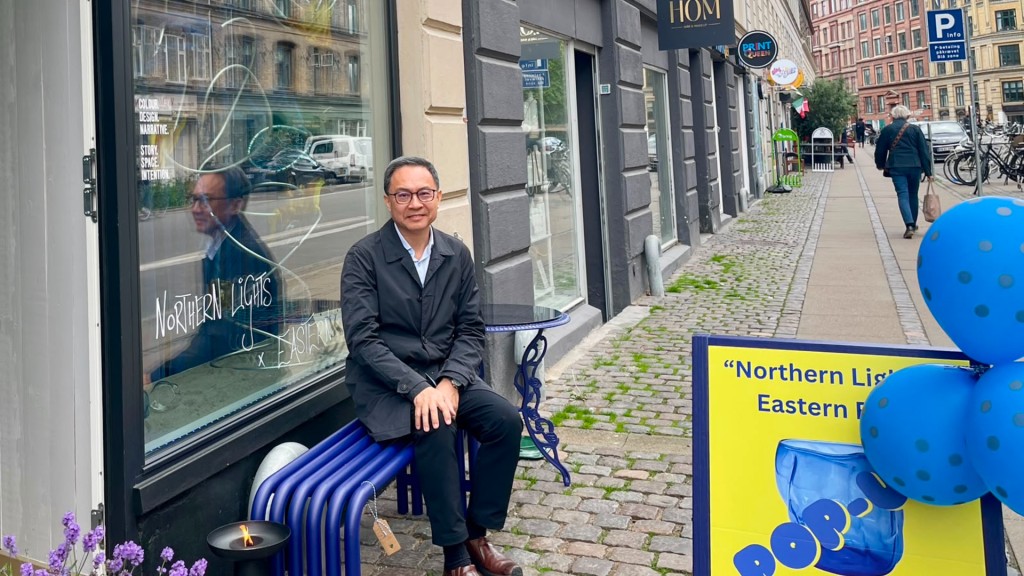
Dr Jolly Wong is a policy fellow at the Centre for Science and Policy, University of Cambridge
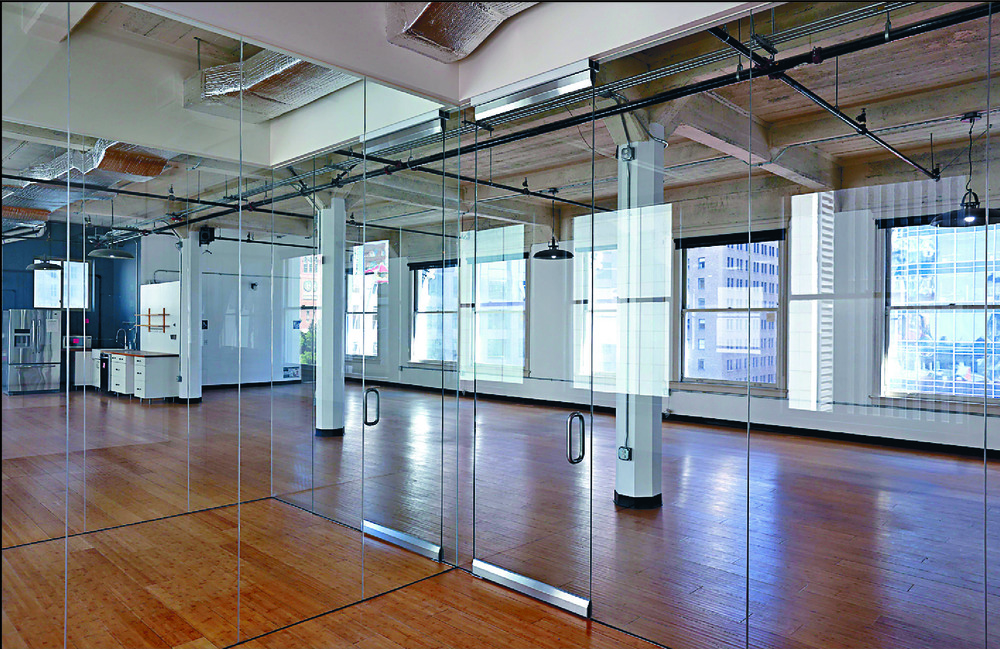
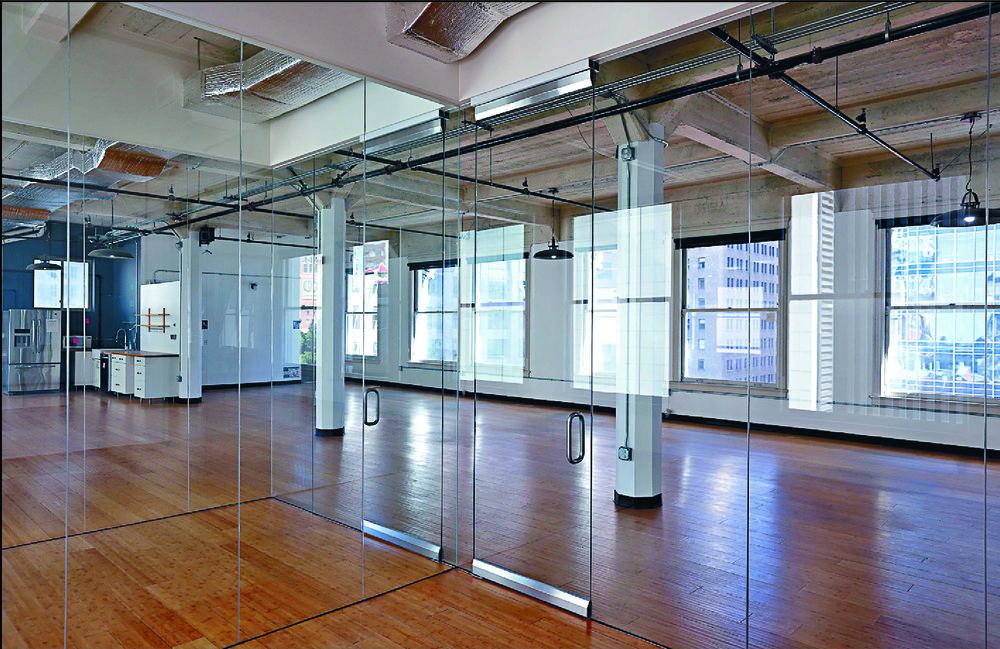
Business analyst Mesbah Nana and his therapist wife Hanna Nana work from home as their sons return from school in Warrington, Britain, but the WFH phenomenon is sparking record vacancies in places like San Francisco, below.