Read More






The discipline of specification | Human Reinvented | Frank Ng & Ryan Ng
26-05-2026 04:19 HKT






Hong Kong a conduit for mainland, French firms
26-05-2026 06:00 HKT
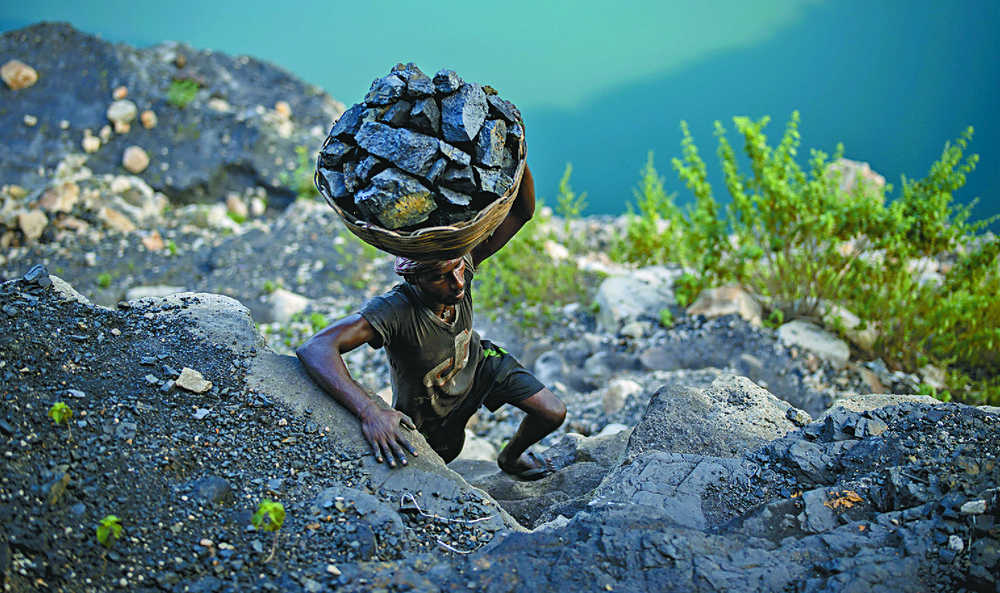
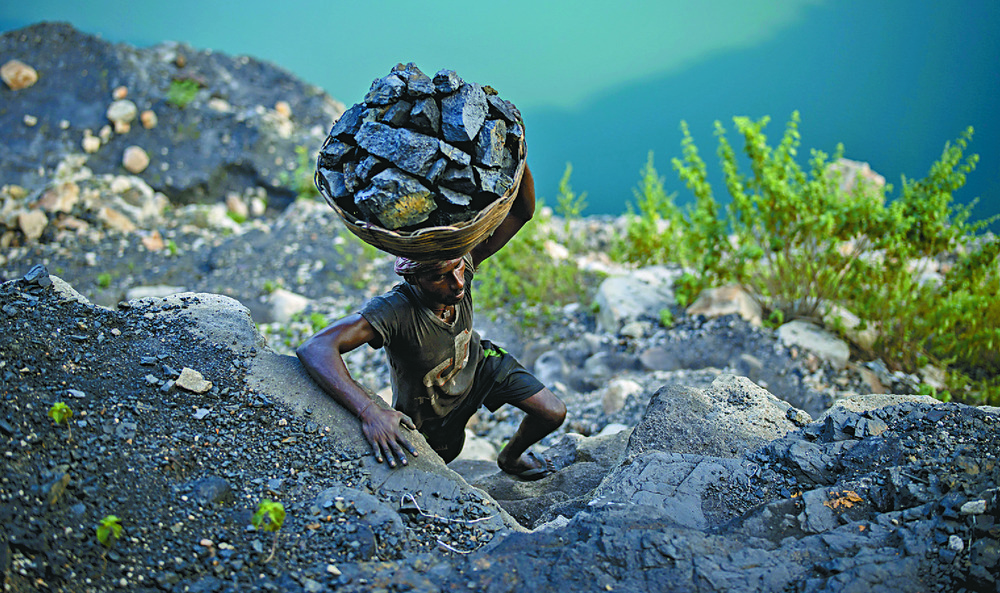
On a coastline near India's southern tip, workers toil on a pier carrying a conveyor belt that reaches two kilometers into the Indian Ocean, where azure waters are deep enough for ships to berth and unload huge cargoes of coal.
The belt will carry millions of tonnes of coal each year to a giant power plant several kilometers inland that will burn the fuel for 30 years to generate power for the 70 million people who live in Tamil Nadu state.
The Udangudi plant is one of nearly 200 coal-fired power stations under construction in Asia, including 95 in China, 28 in India and 23 in Indonesia.
This new array will produce planet-warming emissions for decades and is a measure of the challenge leaders face at climate talks in Glasgow where they hope to sound the death knell for coal.
Many industrialized countries have been shutting coal plants for years. The US alone has retired 301 plants since 2000.
But in Asia, home to 60 percent of the world's population and about half of global manufacturing, coal use is growing. More than 90 percent of the 195 coal plants being built around the world are in Asia.
Tamil Nadu is India's second-most industrialized state and a top renewable energy producer. It is also building the most coal-fired plants in India. "We cannot depend on just solar and wind," says a Tamil Nadu Generation and Distribution Corp executive.
Despite dramatic jumps in renewable energy output, the global economy remains hooked on coal. In Asia, coal's share of the generation mix is twice the global average.
In 2020, more than 35 percent of the world's power came from coal, about 25 percent from natural gas, 16 percent from dams, 10 percent from nuclear and 12 percent from renewables like solar and wind.
Coal demand is set for a new record, driving prices to all-time highs and contributing to a worldwide scramble for fuel.
Record coal demand has contributed to a rapid rise in emissions in 2021 after a fall last year, when pandemic-caused restrictions on movement slowed fuel use.
While some of the coal plants under construction will replace polluting stations, together they will add to total emissions.
Carbon dioxide emissions from the new plants alone will be close to 28 billion tonnes over their 30-year lifespans.
That's not far off the 32 billion tonnes of total worldwide CO2 emissions from all sources in 2020, highlighting how tough it is for leaders in Glasgow to make meaningful progress on climate change.
India has said it is on track to reach its goal of cutting back its carbon footprint, and coal too will fall. But it cannot be abolished.
Across India, 281 plants are operating, and beyond the 28 being built another 23 are in pre-construction phases. But those numbers are dwarfed by China, the top global coal miner, consumer and emitter. More than 1,000 coal plants are in operation and almost 240 planned or being built.
Together, coal plants in China will emit 170 billion tonnes of carbon in their lifetime - more than all global CO2 emissions between 2016 and 2020.
Despite also boasting the world's largest renewables capacity, China is now suffering a major energy crunch and has urged coal miners to raise output.
Even in economies committed to slashing emissions, coal's grip remains strong.
Japan, with its nuclear power industry in crisis since the Fukushima disaster, has turned to coal to fill the gap and is building seven large coal-fired power stations.
Leading generator JERA plans to add clean-burning ammonia to be used with coal, to help meet its target to be carbon neutral by 2050 and potentially keep old units operating longer.
On a bay near Nagoya, JERA's 30-year-old, 4,100-megawatt Hekinan station - once Asia's largest - supplies electricity to the likes of Toyota Motor Corp.
Like many plants, its boilers rely on fuel from top exporters such as Australia.
But resources minister Keith Pitt has made it clear Australia will not be swayed by pressure from banks, regulators and investors to hobble the industry, saying: "While the market exists, Australia will look to fill it."
Sudarshan Varadhan and Aaron Sheldrick, REUTERS