After years of traveling for business, I have learned that whisky reveals something about the culture that produces it. The difference between classic Scotch whisky, classic Japanese whisky, and the newer Chinese whisky movement is not simply a matter of flavor. Each reflects a different attitude toward time, materials, climate, and craftsmanship.
Classic Scotch whisky is built on patience and a strong sense of place. Whether it is a smoky Islay single malt or a softer Speyside expression, Scotch often carries the character of oak, malt, peat, and the cool Scottish climate. Older bottles may offer dried fruit, leather, tobacco, spice, and gentle sweetness.
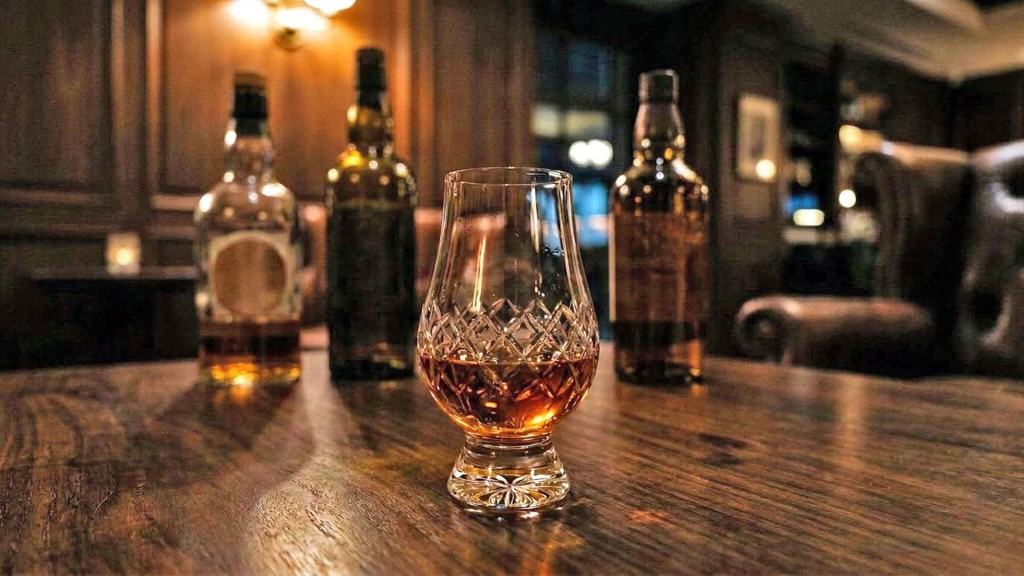
With a cigar, a full bodied Scotch is usually the most natural choice. A peated Islay malt can stand beside the deep aroma of a Partagas, while a rich Speyside whisky works beautifully with a milder cigar, bringing out notes of raisin, cedar, and dark chocolate. I enjoy Scotch most slowly, in a heavy glass, sometimes with a small splash of water to open its aroma.
Japanese whisky shares some techniques with Scotch, but its personality is often more precise and restrained. The flavors may move from delicate fruit and flowers to sandalwood, incense, vanilla, and subtle smoke. With a cigar, Japanese whisky is best paired with a lighter or medium strength cigar.
Its elegance can be lost beside a powerful cigar, but with a mild Connecticut or a refined Dominican blend, the combination can be exceptionally graceful. It is less about strength and more about keeping the two aromas in balance.
Chinese whisky is still a developing category, so it does not yet possess the long established traditions of Scotch or the international identity associated with Japanese whisky.
However, its potential is considerable. China has a deep understanding of grain, fermentation, ceramics, tea, and maturation. Some Chinese whiskies offer a softer, fruit forward character, which may suit a lighter cigar. Others have a richer sweetness that could complement a cigar with cocoa, spice, or roasted coffee notes. At present, I would approach the pairing with curiosity rather than certainty. The category is still finding its own voice.
If the question is simply which is best with a cigar, classic Scotch remains the safest answer. Its depth, oak, smoke, dried fruit, and spice are naturally suited to tobacco. Japanese whisky is the more refined choice for a quieter cigar session, while Chinese whisky offers the pleasure of discovery.
With a Partagas, I would choose a mature Speyside or a robust Islay malt. The important point is not to let either the whisky or the cigar dominate completely. A good pairing should feel like a conversation, not a competition.
Dixtionary is a global citizen and seasoned entrepreneur who views luxury through the lens of philosophy and heritage / @dix.tionary