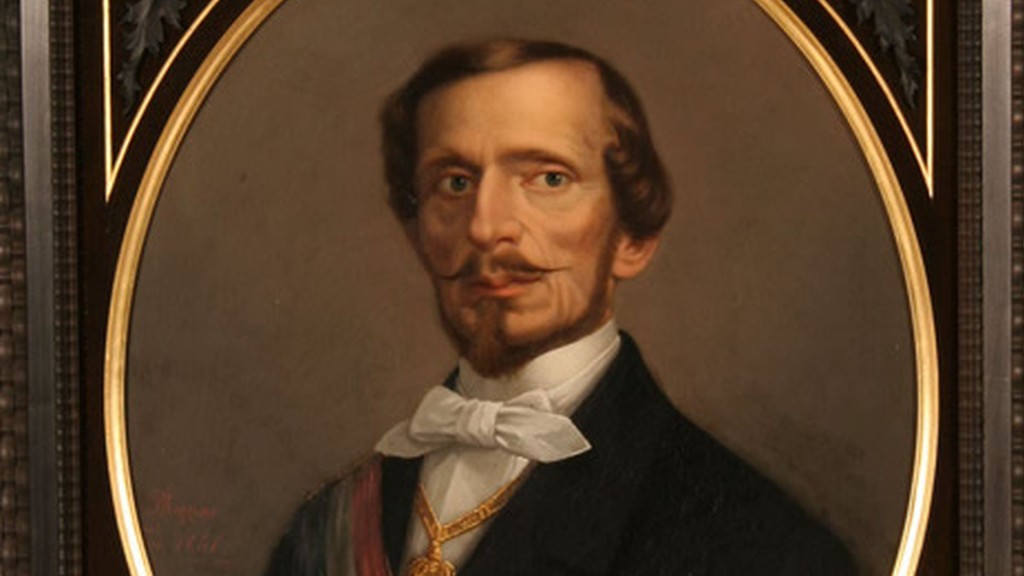
In 1872, the Iron Baron Bettino Ricasoli's introduction of the "Chianti recipe" dramatically changed the Tuscan wine landscape. Following this formula, Sangiovese should be blended with the black grape Canaiolo and the white Malvasia Bianca Lunga, which meant a Chianti should not be made with Sangiovese alone. However in 1996 this requirement was dismissed, and the use of 100 percent Sangiovese grapes was once again allowed in the Chianti Classico production regulations. What happened in those 124 years? Here, the modernization of Italian wines played a pivotal role.
In the post-World War II era in Italy, the "Denominazione di Origine Controllata" or DOC wine classification system was established. Under this structure, only historical wines expressing the traditional style of the region would be honored with the acclaimed DOC status. At that time, the "Chianti recipe" had already been in use for almost 100 years, and was therefore adopted as part of the production requirement for Chianti DOC in 1967. Wines that did not follow this recipe would be labeled as table wine, or "Vino da Tavola."
While challenging for some dedicated Sangiovese producers to face this demotion, this regulation did spark an influx of innovative winemaking concepts to the region. Beyond the adherence to 100 percent Sangiovese wines, Tuscany also witnessed the introduction of French grape varieties, the employment of small and new oak barrels, etc. In for a penny, in for a pound – as it turned out, this group of "rebels" did hit the jackpot. The quality of these wines were astonishing, and the overnight success of some of these so-called Super Tuscans did drive the traditionalist to reexamine their principles. Not only did Sangiovese make a big comeback in 1996; ten years later, the use of white grape varieties was officially banned in Chianti Classico production.
With the help of the Black Rooster in defining the geographical boundary of the region, and the fine-tuning of the Iron Baron's "Chianti recipe," the fundamental elements of where and what Chianti Classico is were largely identified. Nevertheless, the pursuit of perfection hardly ends here. It is the marriage of these two elements that carries the future of Chianti Classico.
(To be continued)
Alice Wong is a certified wine educator based in Hong Kong