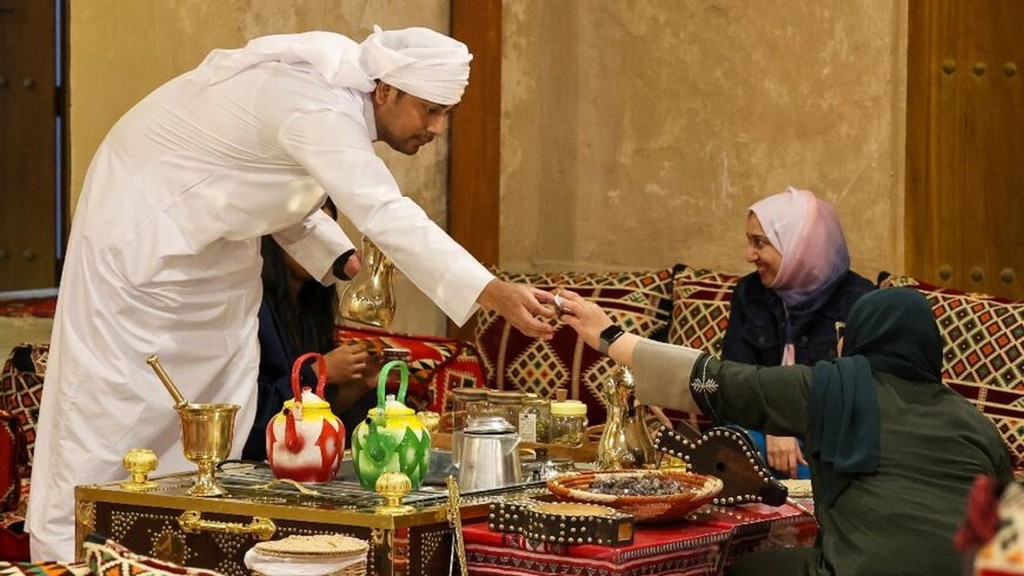
In the Arab world, hospitality is not merely a social grace; it is the very heartbeat of the culture. To be kareem, an Arabic word intertwining generosity, nobility, and honor, is the ultimate measure of a person's character. Whether you are a cherished friend or a passing traveler, stepping into this world means stepping into a warm, unconditional embrace.
Nowhere is this more beautifully expressed than inside an Arab home. Greeted with a joyous Ahlan wa sahlan or welcome, and ushered to the best seat in the room, you are instantly treated as family. As a guest, you will rarely, if ever, sit with empty hands. Before you even settle in, you are woven into a tapestry of generosity.
A fragrant cup of coffee or tea is always offered, never as a question of if you would care for some, but rather what you would prefer. Served graciously with a warm smile, this drink is just the beginning. Almost magically, platters of fresh fruits or dates, savory snacks, and delicate sweets appear in an unbroken stream of culinary affection. To accept these offerings is to accept their friendship.
Yet, this gracious spirit spills far beyond the private walls of the home. In the Arab World, locals view their entire country as their home, and they are always the host. A visitor pausing for directions might not just be pointed the right way, but personally escorted through bustling streets and harrowing traffic to their destination. When thanked, the local will simply smile; it is never an inconvenience, but a noble duty.
From the legendary Bedouins who would sacrifice their last sheep for a hungry traveler, to the modern shopkeeper offering a stranger sweet tea, Arab hospitality remains a profoundly human, elegant tradition. It is a beautiful reminder that here, no one remains a stranger for long.
Amjad Refai is the director of the Arabic Programme at the University of Hong Kong