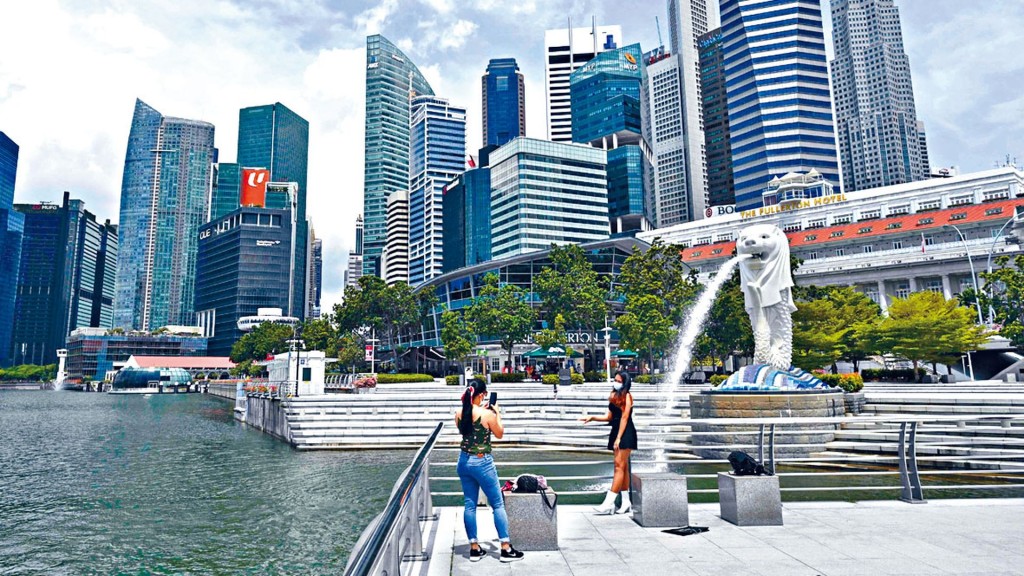
I recently returned from Singapore Convention Week, or "SC Week," impressively organized by the Singapore Ministry of Law and the nation's flagship gathering for the international dispute-resolution community. Named after the United Nations treaty signed in Singapore, the Singapore Convention on Mediation, SC Week is much more than mediation: it covers arbitration, litigation, cross-border disputes, legal technology and investment disputes, bringing together practitioners from over 100 countries.
What sets Singapore apart as a leading Asian dispute-resolution hub is its commitment to developing an ecosystem, rather than treating dispute resolution as separate institutional offerings. SC Week reflects a continuum: from dispute avoidance to mediation, arbitration and litigation, and through to enforcement. Its 2026 program ranged from AI-enabled mediation to the global implementation of the Singapore Convention, demonstrating Singapore's ambition to establish itself as a globally recognized dispute-resolution brand.
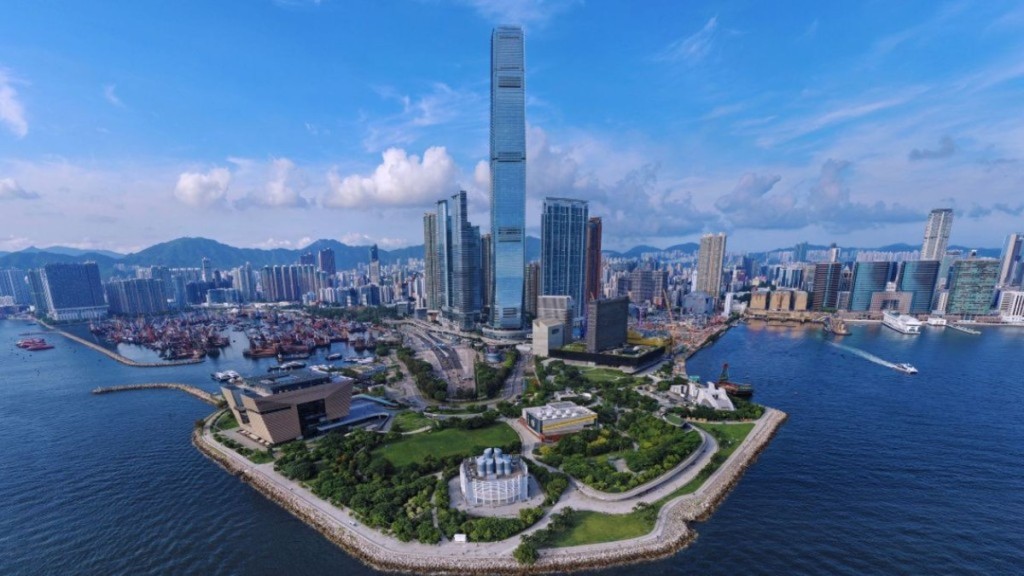
Comparisons between Singapore and Hong Kong have always been endless: Hainanese chicken rice versus char siu rice; Hong Kong Disneyland versus Universal Studios Singapore. For decades, the two cities have been portrayed by some as friendly rivals. Hong Kong, of course, has its own formidable advantages: a rich common-law jurisprudence, a highly competent and independent judiciary drawing on international judicial expertise, and its proximity to the mainland Chinese and reciprocal enforcement arrangements. Likewise, Singapore has its own unique competitive advantages including an efficient civil service and a business-friendly environment.
With International Organization for Mediation now headquartered in Hong Kong and the recently announced Hong Kong International Commercial Court, the two models are increasingly converging. The Singapore International Commercial Court, established in 2015, draws on overseas judicial expertise, bearing strong resemblance to Hong Kong's long-standing practice of appointing non-permanent judges from other common-law jurisdictions to the Court of Final Appeal. Hong Kong now appears to be adopting a similar international commercial court model.
Hong Kong and Singapore have therefore not simply competed; they have developed their respective strengths while learning from international best practices and, increasingly, from each other. Perhaps the real lesson from SC Week is that healthy competition can drive mutual learning.
For dispute resolution, long may this rivalry continue.
For the rest of us, perhaps we can settle the chicken rice question first.
Victor Dawes SC is a practicing barrister. He is a former Chairman of the Hong Kong Bar Association and currently Co-Chair of the Hong Kong International Arbitration Centre