Read More











HKO forecasts showers Tuesday, tracks possible cyclone east of Philippines
21-09-2026 17:31 HKT

John Lee and CY Leung lead pallbearers for Tung Chee-hwa
20-09-2026 15:54 HKT


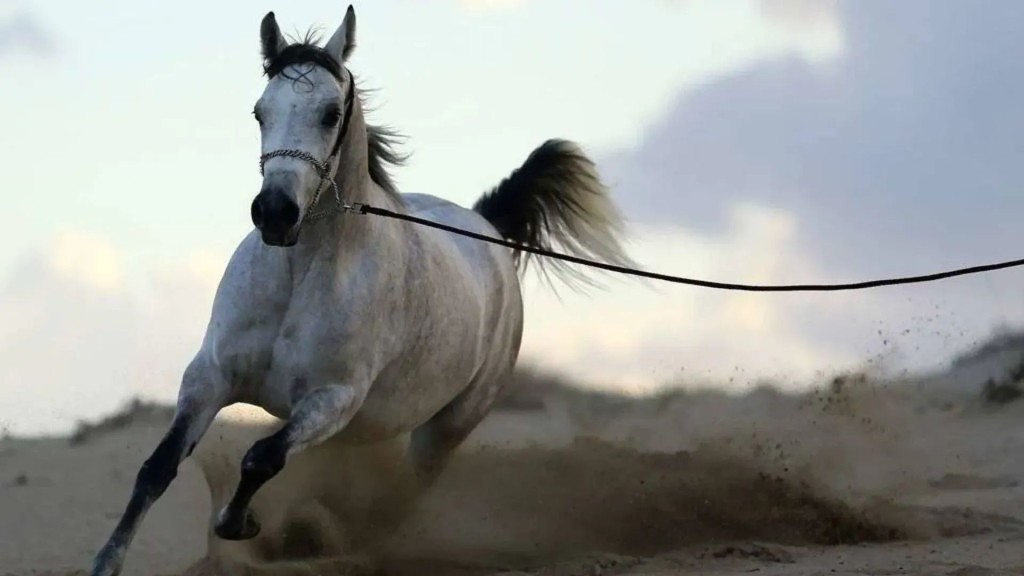
As we welcome the Chinese Year of the Horse – which in Chinese culture symbolizes strength, vitality, ambition, and passion, embodying a spirited personality with a free soul that craves adventure – let us revisit the cultural significance of horses.
In ancient Chinese tradition, the horse was also tied to military triumphs and agriculture. Ancient texts and proverbs celebrate it as an emblem of pride and dignity: “A good horse does not return to graze on old grass.”
Horses are held in a similar reverence in authentic Arab heritage, where they occupy a legendary status. Arabian horses have long been a mark of social standing, as owning a purebred Arabian steed signifies nobility and honorable lineage, particularly among Arab tribes. Horses also carry spiritual significance for Arabs: “Goodness is eternally bound to the forelocks of horses.”
In Arab culture, horses are linked with chivalry, blending martial prowess with lofty virtues like courage, magnanimity, and generosity. In ancient Arab tradition, horses were prized for attributes beyond their contribution in warfare, with entire literary works dedicated to their traits, lineage, names, and even their knights. They also feature prominently in Arabic poetry:
“None but the passionate truly adore horses / For love of steeds is not for camels / Noble chestnut steeds, nothing compares to their grace / No verse or prose can capture their noble face.”
Throughout history, horses have been cherished and meticulously cared for by their owners. A horseman might prioritize his steed over himself, his family, or his children, because it stands as a symbol of pride, dignity, and noble origin.
The Arabian horse breed is among the oldest in the world, renowned for its beauty, elegance, and strength. Arabs have preserved their horses’ lineages for centuries. To this day, annual competitions, races, and festivals celebrate the purebred Arabian horse, drawing participants from across the Arab world.
The Arabian horse is the desert’s companion, the partner of victory, and the emblem of pride.
Amjad Refai is the director of Arabic Programme at the University of Hong Kong.