Read More
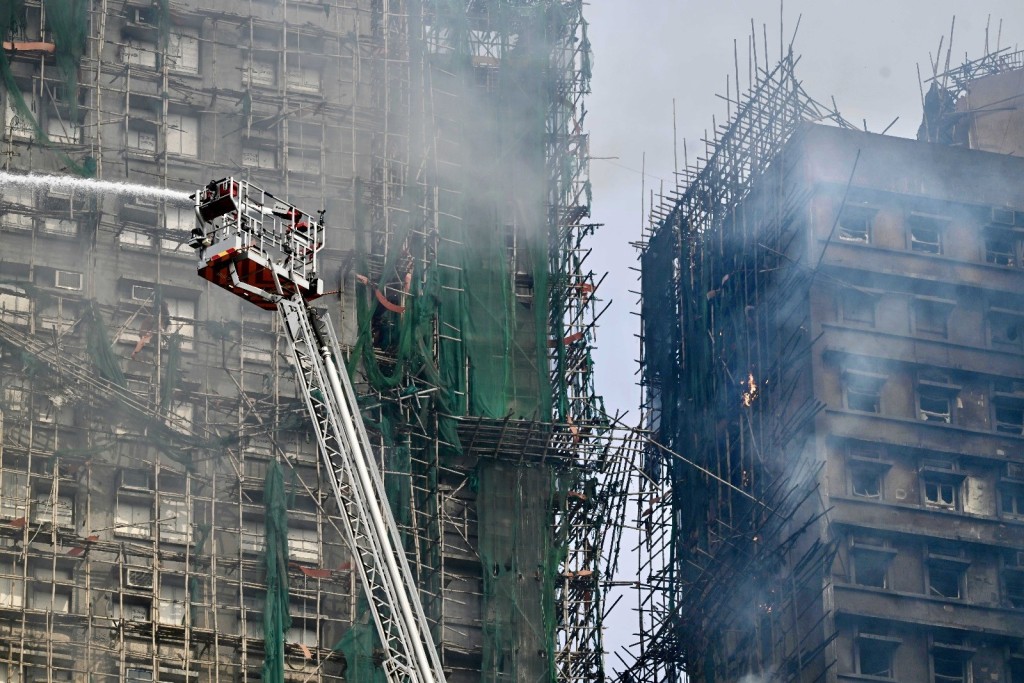
The Tai Po fire tragedy has revealed the utmost importance of genuine certification documents.
ADVERTISEMENT
SCROLL TO CONTINUE WITH CONTENT
Hong Kong prides itself in leadership of inspection and certification processes. Our Hong Kong Quality Assurance Agency is renowned for ensuring standards and conformity, and the various branches of international inspection agencies in the city provide recognized certification for a variety of goods and services to ensure our consumers of their specified high standards.
It is therefore sad to see how false documents for a simple piece of scaffolding protection net could have caused a serious calamity.
False documents are not new; we have already seen cases of them being inappropriately used by students for university admission. Such deceitful acts usually affect one organization and only caused limited damage. But we have also seen cases of documents falsifying inoculation records and granting sick leaves issued by medical doctors. These acts may allow infections to spread and affect many more innocent individuals.
Those construction teams or equipment suppliers involved in the Wang Fuk Court blaze might have never guessed that greed for a twopence more profit could have caused such catastrophic consequences, costing 160 lives and left thousands homeless, severely tarnishing the good image of Hong Kong.
I would have thought that the checking process that ensures certificates are genuine was a straightforward task.
Testing organizations should issue serialized certificates, with QR codes or other access networks that enable users to check whether any certificates have actually been issued by the relevant authorities.
Universities should also be able to verify examination certificates from other schools or educational institutions using similar checking methods to access records.
Perhaps the most difficult would be to determine the authenticity of documents issued directly by professionals, such as those who themselves conducted the inspections in Tai Po. We can only rely on their professional judgement and integrity, whether they are medical doctors or construction sector authorities such as architects, engineers, and surveyors.
One way to ensure that due process is observed before the abovementioned professionals sign certificates would be to institute third-party checks, but such procedures will involve extra costs and time.
In case you believe document falsification only happens in Hong Kong, let me refresh your memory. The Dieselgate scandal, in which Volkswagen bypassed emission control requirements, almost brought the car giant to its knees. In Japan and across the western world, various incidents of pharmaceutical issues and cases of deception involving engineering products have been uncovered over the last few years. These have brought more attention to the importance of genuine certification to the general public.
We live in a mature society where, for efficiency, we trust others to be honest. It had worked well for many years. Regardless of whether it is commercial pressure or greed that has driven certain individuals to issue false documents or submit doctored data, the consequences can become most serious.
The approach to reversing this trend – be it imposing additional checking processes or instituting heavy penalties – offers food for thought. But one thing is certain: We need a much more robust system for certification.
Veteran engineer Edmund Leung Kwong-ho casts an expert eye over features of modern life