ASEAN is Hong Kong’s second-largest trading partner, with continuous deepening economic and trade relations serving as a vital force in promoting regional economic cooperation. From 2020 to 2024, the total value of merchandise trade between Hong Kong and ASEAN recorded an average annual growth of 5.7 percent. In 2024, the total bilateral merchandise trade reached HK$1,289.6 billion, accounting for 13.6 percent of Hong Kong’s global merchandise trade and reflecting a 14 percent year-on-year increase.
As key links in the Belt and Road Initiative, Indonesia, with its vast population and abundant resources, and Malaysia, with its growing economy and advanced infrastructure, have become popular investment destinations for Hong Kong businesses. Hong Kong is a major source of investment for Indonesia and Malaysia. Numerous investors from the Mainland and beyond also utilise Hong Kong as a gateway to invest in the two places.
Visit to ASEAN: Promoting Practical Cooperation
To facilitateHong Kong’s business and professional services sectors in further cultivating the ASEAN market, I led a delegation to Indonesia and Malaysia in June this year, focusing on promoting the advantages of Hong Kong’s professional services related to infrastructure development and exploring mutually beneficial cooperation opportunities. During the trip, we visited the DayaAnagata Nusantara Investment Management Agency and the Investment Coordinating Board in Indonesia, as well as the Public Private Partnership Unit of the Prime Minister’s Department and the Malaysian Investment Development Authority in Malaysia, to learn about the latest economic and infrastructure developments in the two places. While in Malaysia, we also met with the Minister of Transport of Malaysia, MrLoke Siew Fook, to exchange views and understand the planning and development of Malaysia’s transportation system, with a view to exploring opportunities for Hong Kong’s professional services to participate and contribute. We also hosted business luncheons for around 200 local business leaders in the two places to promote Hong Kong’s business advantages.
In addition, the delegation attended presentations of signature projects in the two places, directly connecting with representatives of local enterprises to explore commercially viable investment and co-operation. A number of projects with Hong Kong’s involvement stood out during the visit. On Digital Silk Road, a Hong Kong company established business connections and partnership with local partners through networking events organized by the Belt and Road Office, and managed to capitalise on opportunities in Indonesia’s digital infrastructure development by investingin a data centre in Jakarta, which efficiently handles large-scale data processing, contributing to enhanced connectivity. On Green Silk Road, a local Hong Kong start-up developed a cooling coating that reduces indoor temperatures when applied to building surfaces, thereby saving energy. The company signed a memorandum of understanding (MoU) with an Indonesian firm during the visit to promote the application of its electricity-free cooling technology in Indonesia, bringing Hong Kong’s green innovation to Southeast Asia .On infrastructure, a Hong Kong company with extensive experience is managing and operating several toll highways in Indonesia, serving as a pioneer among Hong Kong enterprises participating in ASEAN infrastructure projects.
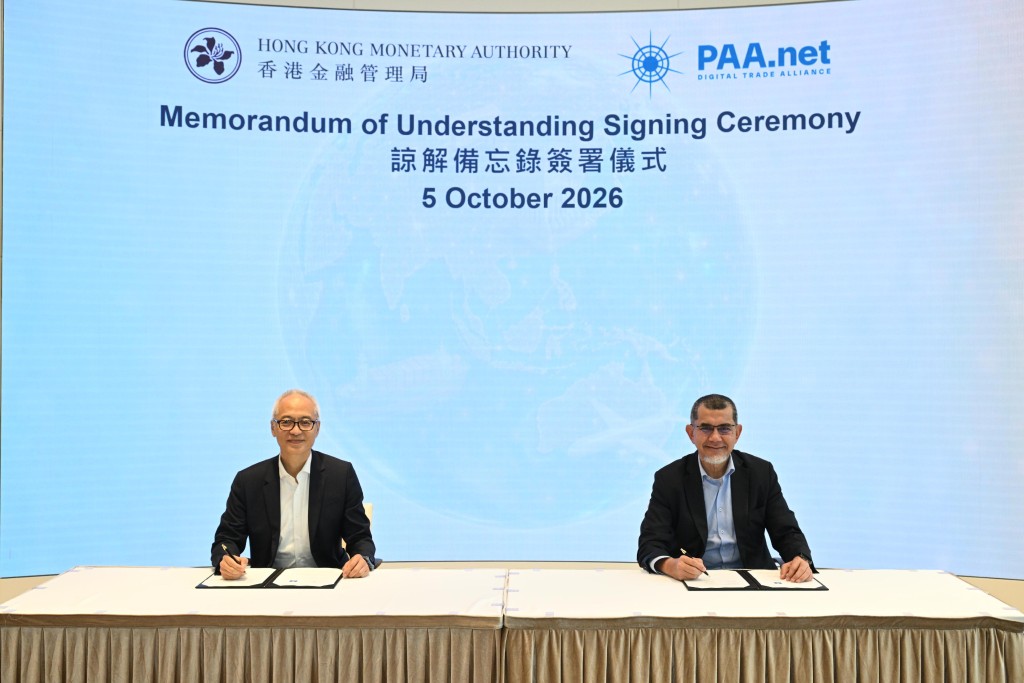
The visit also witnessed the signing of over 20 MoUs covering trade cooperation and professional services exchanges, facilitating the expansion of Hong Kong’s SMEs and professional services sector into the Belt and Road markets.
Hong Kong as a Comprehensive Value Chain Hub for High-quality Projects
Indonesia and Malaysia offer abundant opportunities for infrastructure development. During the visit, we explored several large-scale projects such as the new capital city of Nusantara in Indonesia, the mass rapid transit system in Malaysia, and Iskandar Malaysia. These landmark projects create huge demand for professional services.With a pool of exceptional talent, Hong Kong excels in aligning with international standards in fields such as financing, law, construction engineering, project management, logistics and transportation, and innovative technology. Hong Kong’s experience in taking forward public-private partnerships in infrastructure projects presents extensive room for practical collaboration with Indonesia and Malaysia.
Hong Kong possesses multiple advantages in deepening our engagement with the ASEAN market. Our exceptional talent, world-leading professional services, diversified financing channels, widely recognised brand reputation and alignment with international standards enable us to provide comprehensive support for multinational investment cooperation in an ever-changing global market. This positions Hong Kong as a true “super value-adder” in the high-quality development of the Belt and Road Initiative, capable of delivering greater value to both signature ASEAN projects and “small yet smart ”programmes. By leveraging these strengths, Hong Kong has the potential to become a comprehensive value chain hub for high-quality projects, covering feasibility studies, project formation, deal-making, financing, professional services and listings, serving as a key deal-making hub for facilitating high-quality project cooperation along the Belt and Road.
Hong Kong’s Unique Role in Connecting Mainland and World
Under “one country, two systems”, Hong Kong enjoys the unique advantage of connecting with both the Mainland and the world, serving as an international business hub where multinational projects, talent and enterprises converge. It also provides an ideal platform for Mainland companies expanding into the Belt and Road markets by offering comprehensive services. Looking ahead, the Hong Kong Special Administrative Region Government will continue to actively cultivate key Belt and Road markets, pursue practical cooperation, and participate in more signature projects along the Belt and Road, contributing to the high-quality development of the Belt and Road Initiative.
Nicholas Ho, Commissioner for Belt and Road