Read More




Bleeding gums: a warning you can't afford to ignore | Dr Eric Chan
07-10-2026 05:10 HKT








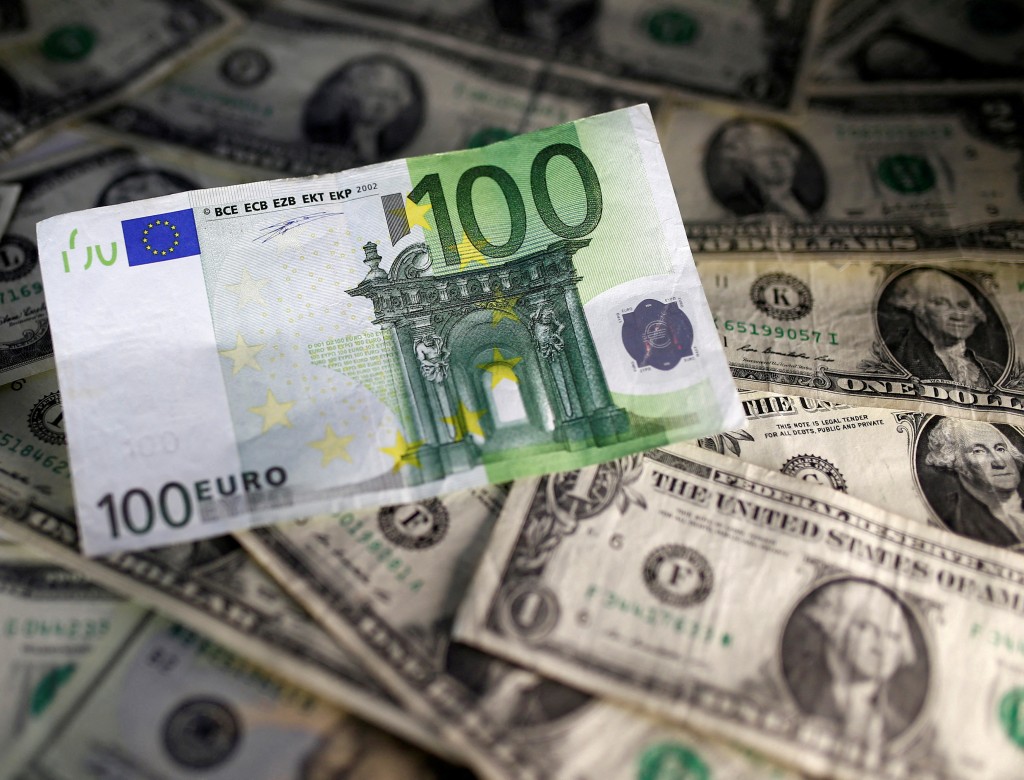
Euro sinks to 17-month low as French fiscal woes spur contagion fears
05-10-2026 14:53 HKT
Stella Su, who lives and works in Shanghai, has used an ATM only once in the past 12 months. For she has operated with digital wallet Alipay - shopping in a mall, buying online or sending money to friends.
"Now when I go out I don't need to carry my wallet - all I need is my phone,'' says Su, one of over a billion Alipay users in China and abroad.
Alipay, operated by Ant Group, is the world's largest and most valuable financial technology firm and one of two dominant Chinese digital wallets, the other being rival Tencent's WeChat Pay.
Thanks to the huge scale of China's fintech landscape, Ant is set to raise about US$34.5 billion (HK$268.4 billion) in the world's largest share offering, beating Saudi Aramco's US$29.4 billion. Ahead of the IPO the firm is being valued at about US$280 billion.
To tap investors, Ant is listing its shares in Shanghai and Hong Kong. It begins trading in Hong Kong on Monday while the Shanghai debut has yet to be announced.
Even before moving on an IPO Ant was the world's most valuable fintech firm, with a valuation of US$150 billion.
"Ant Group is much more than PayPal, which only processes financial payments," notes Jackson Wong, asset management director at Amber Hill Capital. "It has a lot of businesses in other areas and other services."
Alipay and WeChat Pay have helped make Chinese society virtually cashless, at least in big cities, with consumers and merchants alike relying on digital payments using phones.
"Think of Alipay as Visa, MasterCard, Citibank, Fidelity rolled up into one,'' says Shaun Rein, founder and managing director of China Market Research Group in Shanghai. "On the Alipay platform you pay for things, you buy insurance, you buy wealth management. Your whole life revolves around Alipay."
Walk into a supermarket in China and you'd be hard-pressed to find a customer searching for loose change to pay for groceries. Instead, cashiers scan a QR code on a customer's smartphone to deduct money from Alipay or WeChat Pay digital wallets. A transaction takes seconds.
In restaurants, friends often split a bill by transferring money to each other via digital wallets.
"Ant Group is so valuable because Alipay is used on a day-to-day basis by a billion people on all of their purchases," says Rein. "The scale of fintech in China dwarfs the regular financial transaction potential in the United States."
Alipay evolved from e-commerce giant Alibaba, founded by Jack Ma Yun in 1999 to help match buyers and sellers in China. When Alibaba launched consumer e-commerce platform Taobao to rival eBay in China, Alipay was introduced as a payments method to boost users' trust in the platform. Today, its reach extends to most aspects of life related to money.
Ma's foresight has made him China's wealthiest person with a fortune estimated at US$58.8 billion.
Alipay was created in 2004 to serve as an escrow service between buyers and sellers on Taobao, holding funds from buyers to go to sellers after goods are received. Its revenue comes mostly from transaction fees charged to merchants.
Users can link bank cards directly to Alipay to top up their wallets, and transfers can be done from users' bank accounts.
Alibaba, which owns a third of Ant, spun off Alipay in 2011. The company was later rebranded as Ant as the company expanded its financial services.
One of those is Zhima Credit, a credit-scoring system that rates the trustworthiness and creditworthiness of users based on data such as whether bills are paid on time via Alipay.
Zhima scores can help people take out small loans from Ant's consumer credit services Huabei and Jiebei to finance such things as iPhone purchases or school expenses. Such loans are hugely popular in China, where credit card usage is low and most people have no official credit history and are unable to borrow from banks.
Ant's money market fund, Yu'e Bao - one of the world's largest - lets people put idle cash in their Alipay wallets to reap returns on investments as small as 100 yuan (HK$115).
And to compete with Yu'e Bao, banks now provide more flexible investment products with lower capital requirements.
ASSOCIATED PRESS