Read More
Previously I discussed how digital technology can make mental health services more accessible and help us address the service gap to some mental illnesses.
ADVERTISEMENT
SCROLL TO CONTINUE WITH CONTENT
As I have said, these are fantastic developments for a place like Hong Kong, where such problems are on the rise.
Looking back, my last two articles fit in the well-established tradition of finding and praising the ingenious ways in which technology helps solve modern-day problems.
This week I want to provide the contrarian view that technology causes, not ameliorates, mental health problems.
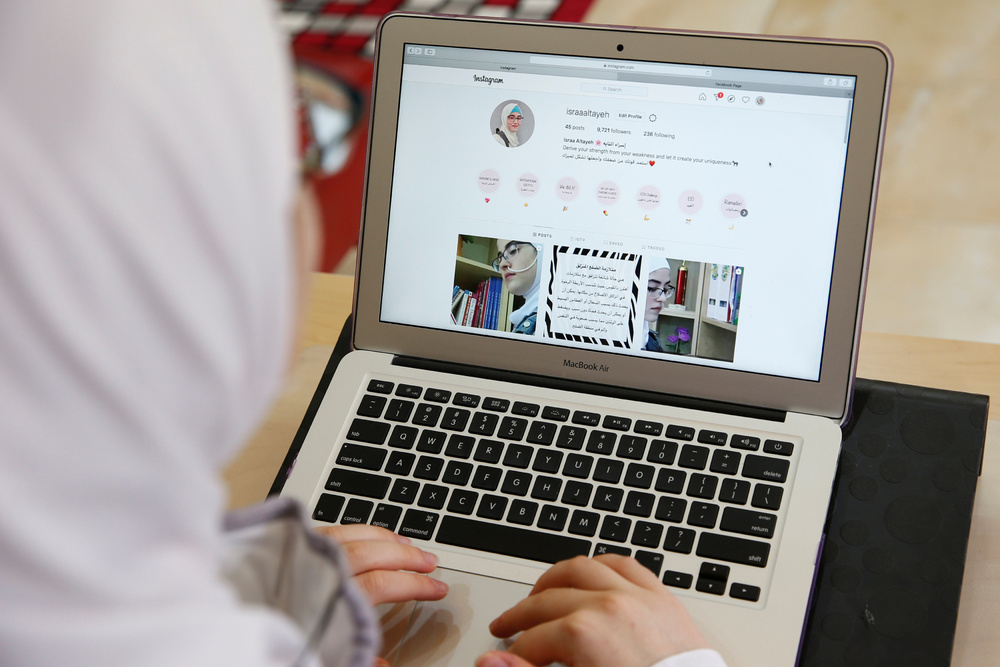
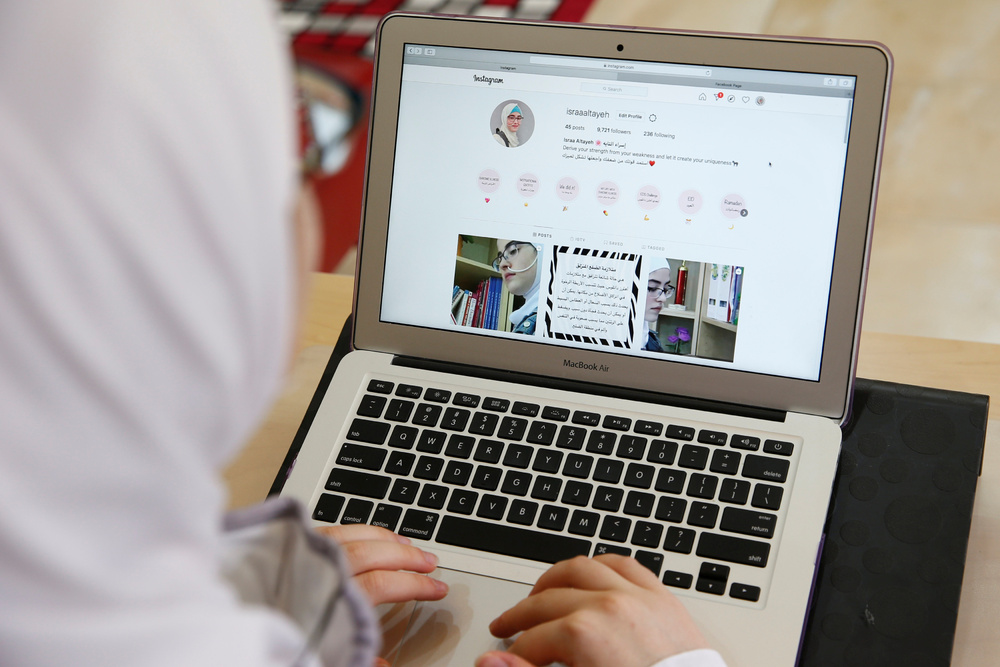
There are many ways to flesh out this view but I will focus on just one: the view that social media, perhaps the greatest technological feat in the past decade, causes mental health problems.
Much evidence supports this view. For example, the sharp rise in rates of depression, anxiety and self-harm in the United Kingdom and United States in 2012 coincided with the introduction and popularization of social media platforms.
Furthermore, several studies have confirmed the correlation between time spent on screens and negative mental-health outcomes. This correlation is strongest among girls aged between 15 and 17.
Of course, there may be objections that correlation is not causation, and it is simply down to coincidence that recent achievements in digital technology coincided with the rise in mental health problems.
But upcoming research by Jonathan Haidt and Jean Twenge uncovered evidence suggestive of causation. For example, they found that those who reduced their use of social media reported an improvement in mood or reduction in loneliness or symptoms of depression, compared to a control group.
So the problem boils down to this: for every innovative use of technology that enables a depressed person to reach expert help, I can find you another case where it causes or exacerbates depression.
This means we must wrestle with the question of whether we would be better off mental healthwise without technology.
It is impossible to answer this question definitively because we cannot measure all the consequences that stem from each interaction with technology, and then weigh that against the benefits technology brings.
A defender of technology might argue this impossibility, combined with the fact that tech does so much more good, suggests that tech should go full steam ahead.
In response, the critic will say it is irrelevant what other benefits tech brings. If social media produces poor mental health outcomes, then it is bad notwithstanding the other achievements of technology.
I believe we can learn from each of these two positions.
On the one hand, we should embrace and use all the wonderful digital tools that I have said will improve mental health services to our advantage.
On the other hand, we must recognize the fact that digital technology is also harmful to mental health in other areas. We should try to root out these harmful effects.
In particular, we need to address the problem of social media. Most of us should limit the time spent on them. Parents and teachers should encourage children to use them responsibly, including the principle of respecting others' boundaries and privacy.
Celebrities and social media content-generators (by this I mean your Instagrammers and YouTubers) should promote body positivity, diversity and inclusion, rather than creating unattainable standards for young boys and girls.
Social media tech companies also have responsibilities. They must remove materials conducive to depression or suicide in a matter of minutes, not days, or face heavy fines.
Only with these and other changes in place can we be confident that social media and technology in general truly do more good than harm to our mental health.
Dr Jolly Wong is a policy fellow at the Centre for Science and Policy, University of Cambridge