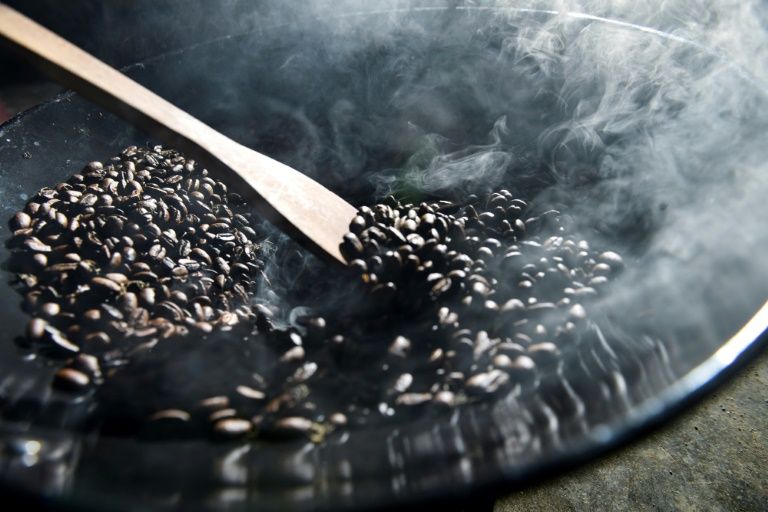
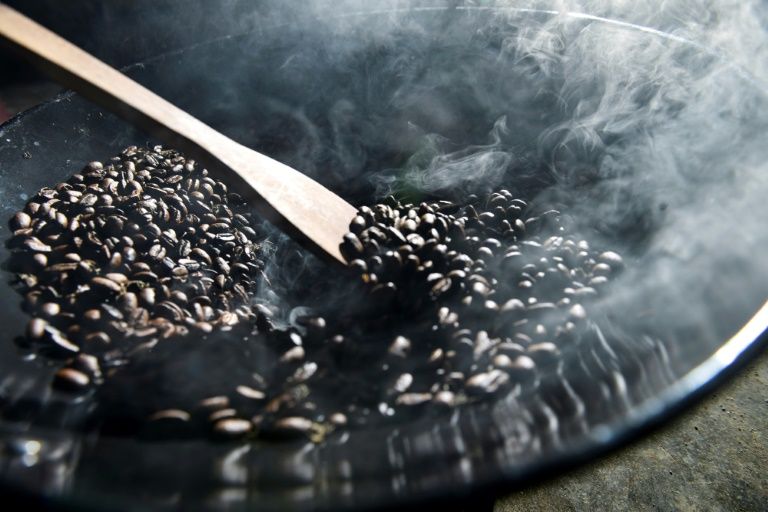
Agus plunges a wooden paddle into his coffee and marijuana-filled wok, taking care to roast just the right mix of ingredients - and stay one step ahead of police in Indonesia's Aceh province.
His contraband brew is a hit with locals and buyers in other parts of the Southeast Asian archipelago, who pay 1 million rupiah (HK$568) for 1 kilogram.
But this is risky business in Aceh, where just drinking alcohol can earn a flogging under its strict Islamic law.
Agus (a pseudonym) is part of a clandestine economy in the region at the tip of Sumatra, which despite its no-nonsense reputation is Indonesia's top weed-producer with fields covering an area nearly seven times the size of Singapore. Marijuana was once so common in Aceh that locals grew it in backyards, and pot was sold widely.
But it was outlawed in the Seventies, and Muslim-majority Indonesia has since adopted some of the world's strictest anti-drug laws, including a death penalty for traffickers. The nation has declared itself in the midst of a drug "emergency" because of rising methamphetamine use.
But the situation in Aceh is muddled.
Police hunt weed farmers, imprison users and torch mountains of confiscated marijuana - more than 100 tonnes last year. Yet just last week a lawmaker from the province proposed it should be legalized and exported for pharmaceutical purposes. He was quickly reprimanded by his Prosperous Justice Party, while the national narcotics agency slammed the proposal claiming it would discourage Aceh marijuana farmers from adopting its suggestions to switch to vegetables and other crops.
Despite the risks, Agus claimed he has little fear of going to prison, asking: "How can you ban something that's everywhere? It's all over Aceh. This huge crackdown just makes it rarer to see people using it in public."
Most days, his biggest concern is hitting the perfect ratio for his java - 70 percent coffee and 30 percent marijuana.
Agus was a white-collar professional for 20 years but swapped a prestigious career for a more lucrative trade.
How marijuana became a hit in Aceh is a matter of debate.
Some say it was brought by Dutch colonists hundreds of years ago as a gift for a sultan in the jungle region.
But local historian Tarmizi Abdul Hamid counters that marijuana use - for everything from medicine and cooking to repelling pests from crops and preserving food - is referred to in manuscripts that pre-date the Dutch.
"It shows ganja can be used to cure baldness or high blood pressure," he said of one text. "Ganja was also used for cooking and medicine."
Centuries later, marijuana was on the front lines of a separatist war in Aceh.
Former marijuana farmer Fauzan remembers harvesting a crop when bullets started flying across his field in a shootout between government soldiers and rebels back in 2002, three years before a peace deal ended the conflict.
He estimated that 80 percent of people in his hometown of Lamteuba, about 50 kilometers from provincial capital Banda Aceh, were once ganja farmers. Locals in the one-time rebel stronghold had secret paths to their crops and built hiding places for their harvests.
"This village is like heaven," Fauzan said. "Whatever you plant it'll grow. Throw a ganja seed on the ground, leave it and then come back for the harvest."
AGENCE FRANCE-PRESSE