Read More













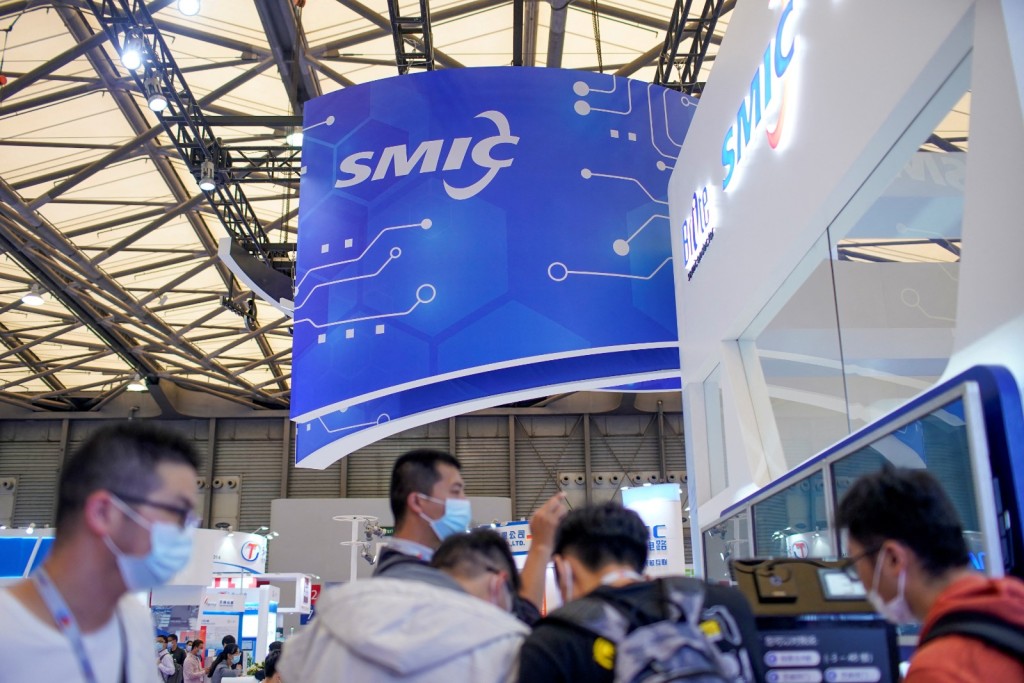
China's top contract chipmaker, Semiconductor Manufacturing International Corp (0981), on Friday said orders from overseas clients are increasing as the global artificial intelligence boom tightens capacity at foreign foundries.
"There are still quite a lot of semiconductor capacity expansion projects and companies in China," co-CEO Zhao Haijun said during an earnings call. "These are among the few places with available production capacity, so we are seeing many overseas customers shift their orders to be manufactured in China."
"As the largest domestic foundry, SMIC is probably seeing the biggest share of this. This is happening across the board," he added.
Many semiconductor companies have redirected factory capacity to AI-related products, as well as memory and other high-bandwidth applications, reducing the capacity available for legacy foundry products.
"Some products that were previously made at overseas foundries are no longer being produced there," Zhao said.
SMIC has been expanding capacity aggressively as it bets on strong demand from Chinese chip designers, although its push into advanced 7-nanometre manufacturing faces constraints from US export controls.
Zhao said SMIC expects depreciation expenses to rise by about 30 percent from last year, with its first-quarter depreciation and amortization up 26 percent from a year earlier. The company added 9,000 12-inch equivalent wafers of capacity in the first quarter.
SMIC's utilisation rate, a measure of production intensity, was 93 percent in the first quarter, down slightly from the fourth quarter.
"In the fourth quarter of last year, smartphone makers cut orders because they were worried about shortages of supporting memory chips and part of that impact carried into the first quarter," Zhao said. "At the same time, new fabs began operations in the first quarter, which increased total capacity and made utilisation appear lower."
China remained SMIC's largest market, accounting for 89 percent of its first-quarter revenue, while the US contributed 9 percent. The company shipped 2.5 million 8-inch equivalent wafers in the quarter, unchanged from the previous three months.
Chinese foundries' share of global legacy-node capacity in the 22-nanometer (nm) to 40nm range is expected to reach 37 percent this year and 41 percent in 2027, up from 32 percent in 2025, according to data from Semicon China, the world's largest trade fair for semiconductor equipment makers.
"As demand for AI-related chips and edge applications keeps growing next year, it could further squeeze capacity for non-AI products," Zhao said. "We believe this is a long-term trend."
Reuters