Read More







Morning Recap - June 11, 2026
8 hours ago






Bowie Woo, 94, sets Guinness World Record at star-studded concert
08-06-2026 18:03 HKT

Nine days of rain ahead as temperatures dip, Observatory says
09-06-2026 17:35 HKT
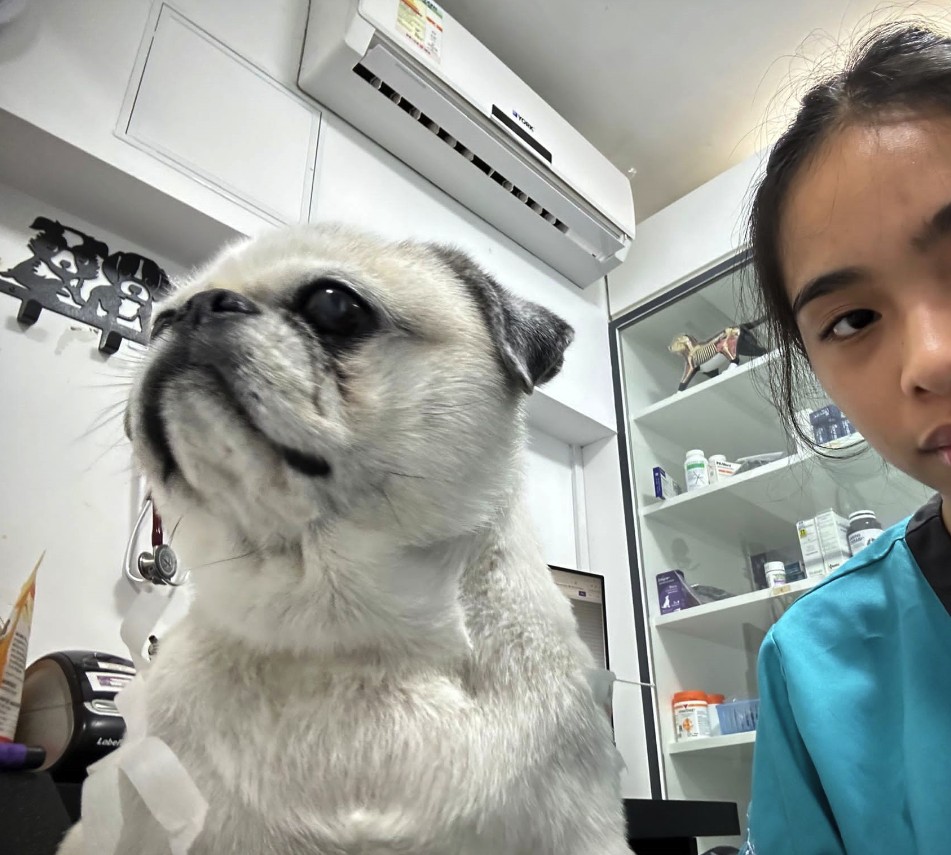
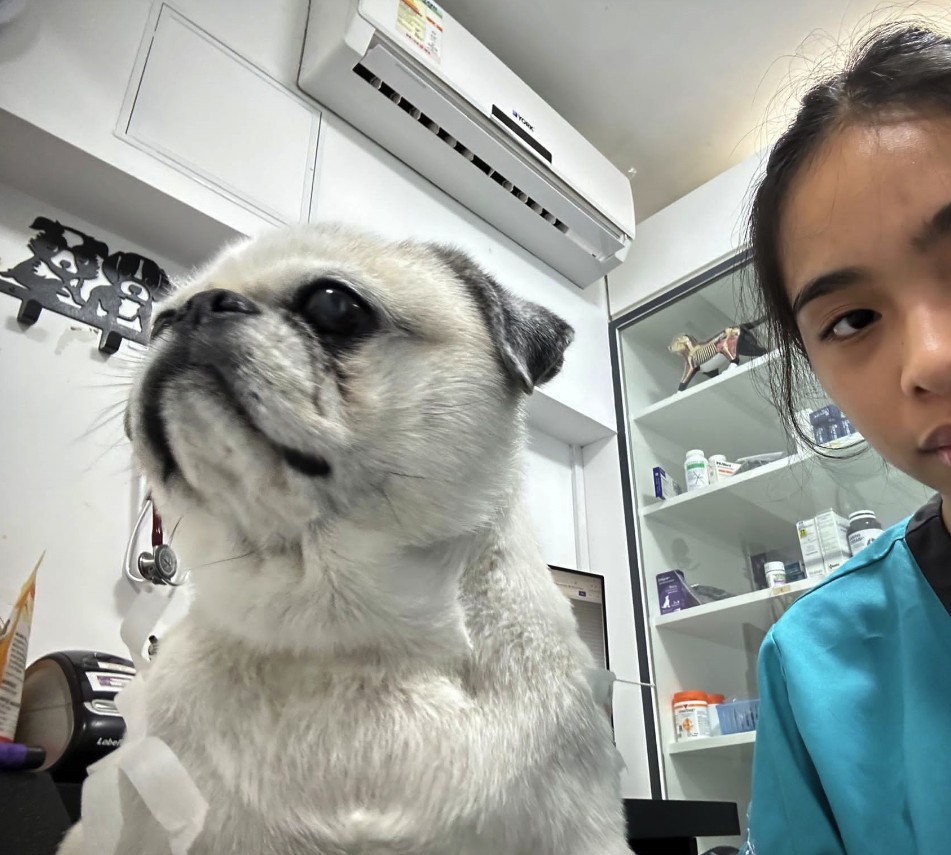
Veterinary clinics are facing a severe shortage of veterinarians, leading to a poaching trend in which experienced professionals are lured with attractive offers.
The increasing number of vet clinics, which has risen by 20 percent to 200 in the past two years, is not matched by a corresponding increase in the number of registered veterinarians.
Currently, there are only 971 registered vets - a decrease of 133 from 2022, due to retirements and professionals leaving Hong Kong.
A senior vet, John, expressed concern about the situation, saying the problem is exacerbated by listed companies recognizing the industry's potential and opening multiple clinics, intensifying the manpower shortage.
Smaller clinics have been hit particularly hard, losing a significant portion of their staff, including less-experienced vets and nurses.
John said some clinics offer a 50 percent pay rise and a four-day work week to entice employees, causing a prolonged period of understaffing. However, this approach has raised concerns about the industry's ability to handle the workload.
"A four-day work week is a perfect example of work-life balance, but that would mean the industry needs more manpower," John said.
"This will hamper the whole industry."
Alan Lai Ka-ho, chief executive of Pet Space Group, a major veterinary chain in Hong Kong, echoed the concerns.
He emphasized the need for vets to gain more experience through increased work hours and expressed his reservations about a four-day work week.
Lai also highlighted the negative impact of the poaching trend, saying: "We have 10 clinics and over half of our 200 employees are vets and nurses, and many of them left us after they were poached by other clinics with a high salary."
Lai argued against joining the salary-hike game, citing increased operational costs that would eventually be passed on to pet owners.
Instead, he proposed that authorities focus on increasing the training capacity of veterinarians and nurses while considering the importation of talent from the mainland to alleviate the manpower shortage.
The Society for the Prevention of Cruelty to Animals noted that the recent reopening of borders has led to an increase in foreign veterinarians in Hong Kong.
Also, 11 graduates from City University's veterinary medicine program have entered the industry. However, recruitment of nurses remains challenging.
A vet working in a small clinic, May, said there is a growing preference among fresh graduates to join larger veterinary clinic chains due to their better-equipped facilities.
"Many employees of small clinics are worried that big groups will monopolize the market and are therefore planning to switch jobs," she added.
christine.tang@singtaonewscorp.com