





Read More



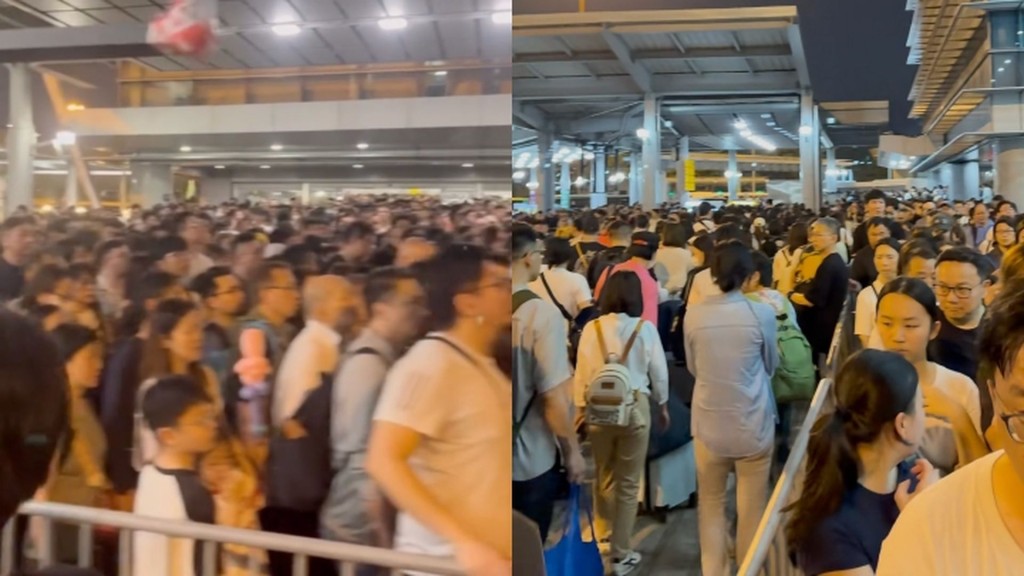






Nearly 1.26mn Hongkongers hop out of town, with 225,000 crossings by 10am
05-04-2026 17:11 HKT
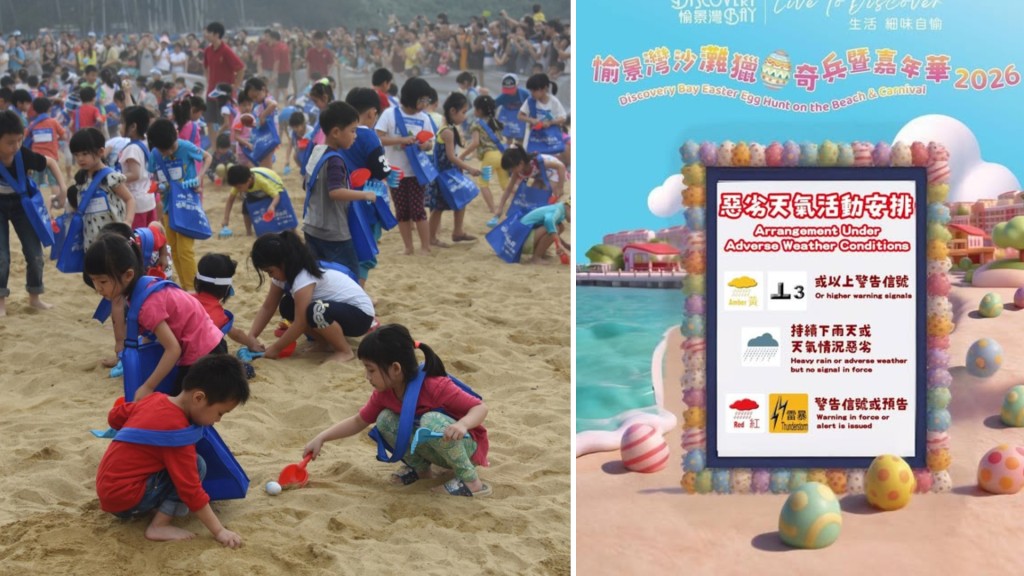
Families disappointed after Discovery Bay Easter Egg Hunt cancellation
05-04-2026 19:58 HKT
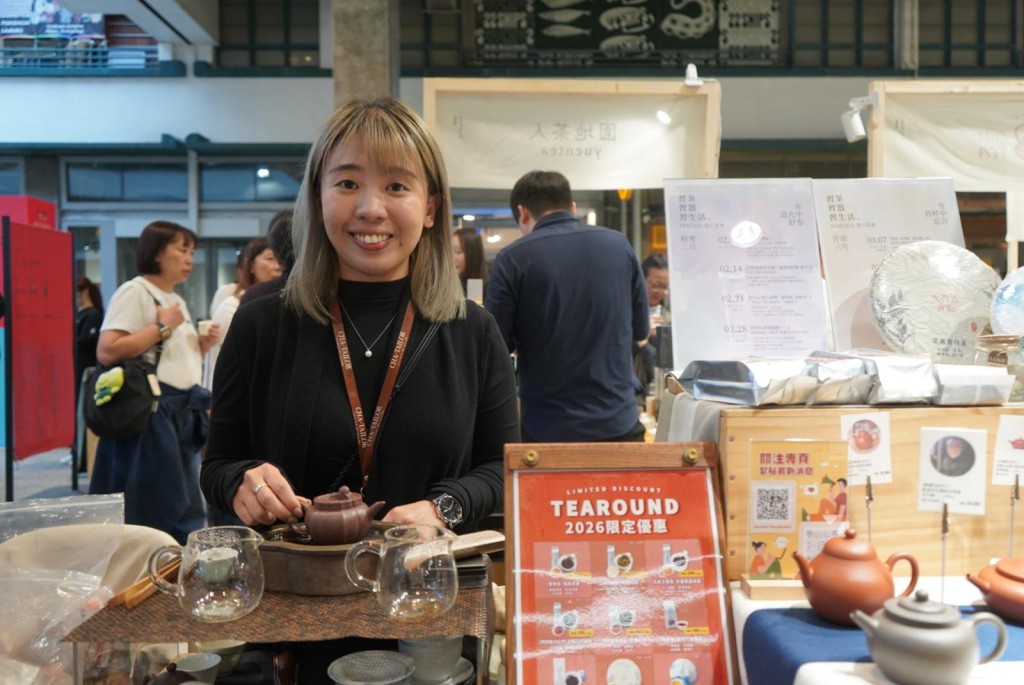
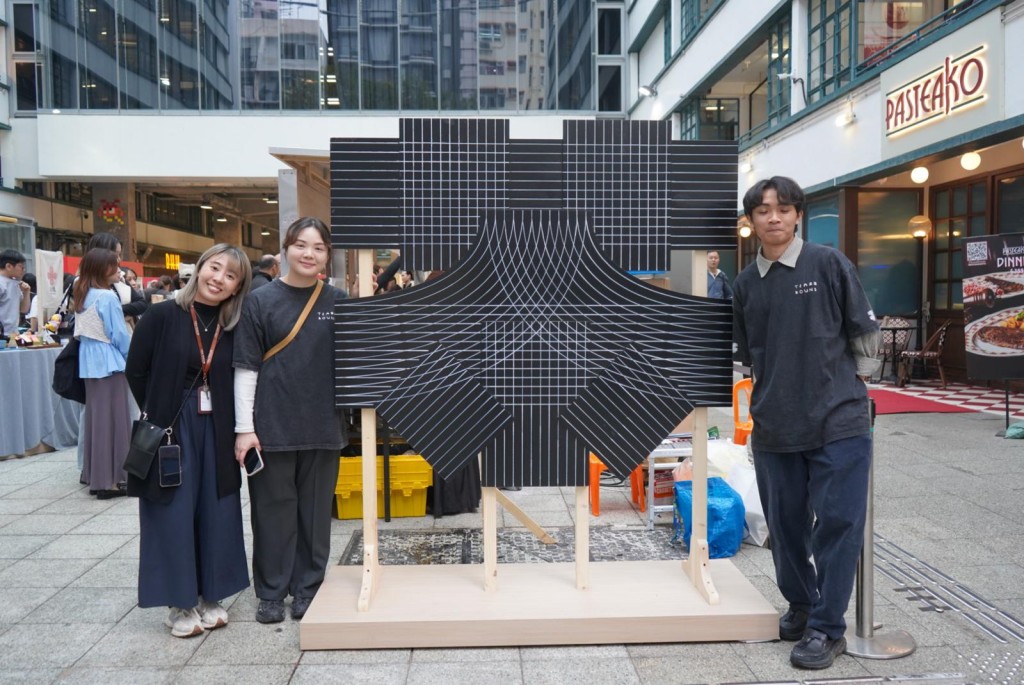
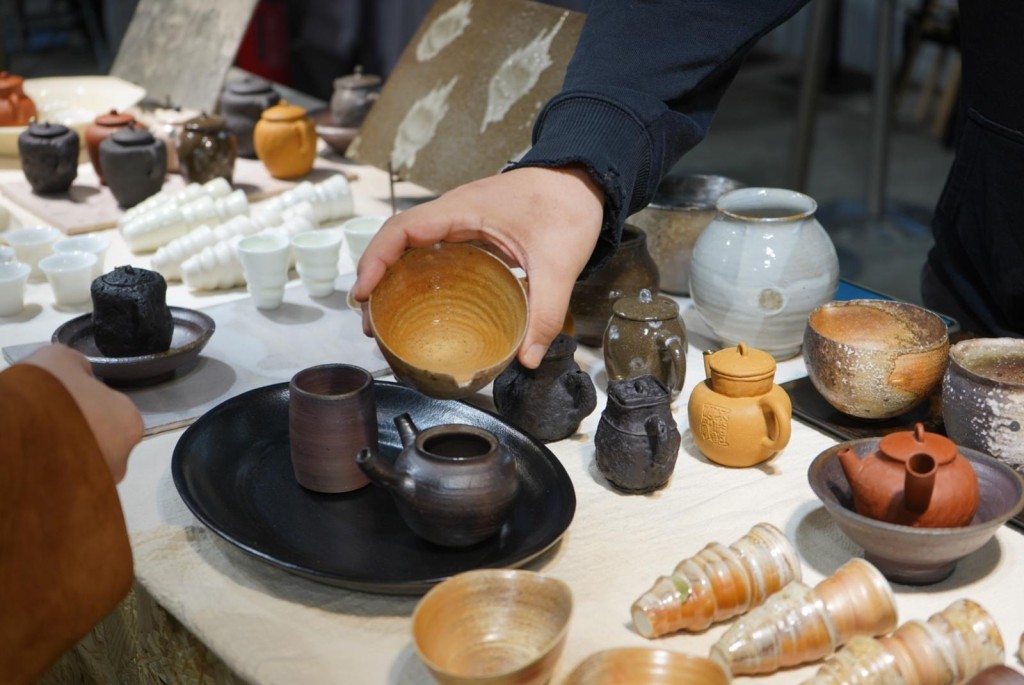
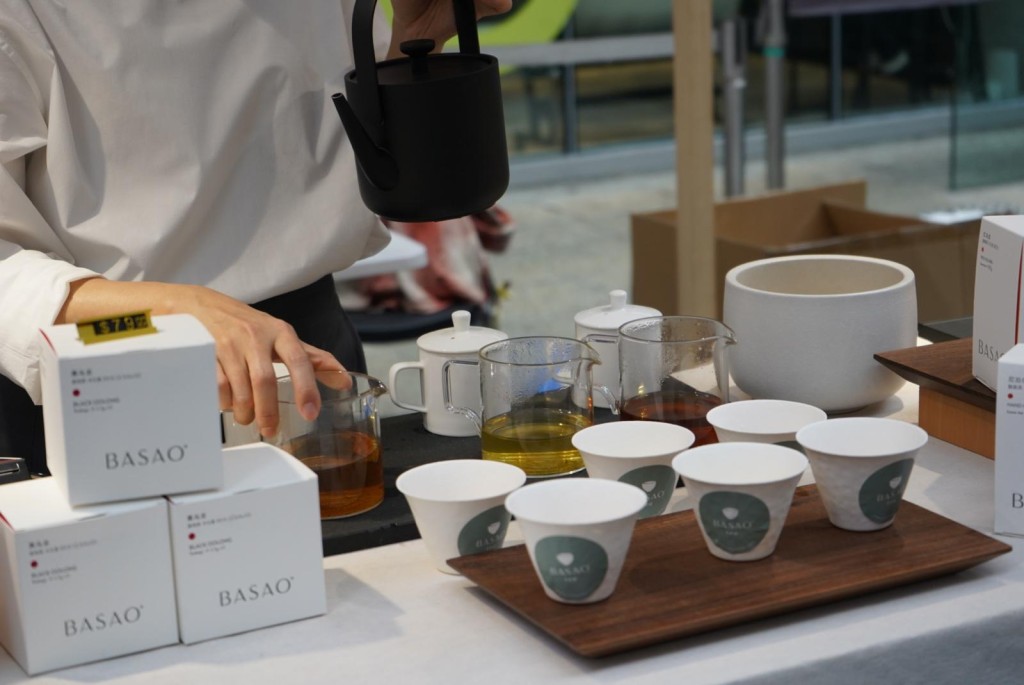
Steeped in tradition but brewed for a new generation, a wave of young Hong Kong entrepreneurs is working to depict ancient tea culture in a language that appeals to Gen Z.
From the ubiquitous iced lemon tea and silky milk tea to the bustling ritual of “yum cha” at a dim sum restaurant, Hong Kong has never been a stranger to tea. It is a beverage woven into the very fabric of the city’s identity.
Yet, for all its history, the rich world of traditional Chinese tea has often been perceived by the younger generation as a relic of the past.
“Most people think tea is not as cool as alcohol and not as cool as coffee,” said Jackie Fan Hiu-ching, founder of Cha-tailor. Her brand partners with artists in Yixing, China, to protect and promote the craft of the traditional handmade purple clay teapot.
The 29-year-old sees her role as a “cultural ambassador.” She emphasized that the teapots her brand creates are meticulously studied, often learning from the antiques found at auction houses.
“While most of the original pieces remain untouchable, we attempt to make this kind of antique into a handmade teapot with a modern feel that you can use in daily life,” she explained, adding that this focus on handmade teaware helps protect traditional craftsmanship from being lost to cheaper, low-quality molding techniques.
Cha-tailor was one of over 50 brands participating in Tea Round this year, a key event for Hong Kong’s burgeoning tea culture, held from January 30 to February 1 at the city's cultural landmark, PMQ.
The event showcased a vibrant array of local and overseas brands spanning tea, gastronomy, and artisanal teaware, all united under the theme of “blended.”
The theme was a deliberate and deeply symbolic choice, explained Dannis Yeung Puk-him, the event's co-founder. “The theme was named with the aim to promote the blending skill in Hong Kong’s tea history,” he said.
As the city lacks its own tea farms, Hong Kong’s role in the tea industry has historically been centered on trade, not processing, unlike neighboring regions such as Taiwan.
This unique position as a trading nexus for centuries fostered a culture of masterful blending. Practitioners are encouraged to blend different teas to create a unique flavor or a signature for their brand, Yeung noted, citing businesses like Ming Heung Tea House, which opened its doors in 1963 and built its reputation on such skills.
Fan further elaborated on this distinction. Compared to the Western approach to tea, which often involves adding external flavors like floral or citrus notes, traditional Chinese tea culture blends different types of base teas.
However, she noted, the appreciation of these complex blends requires a sophisticated knowledge of tea—a knowledge she believes has been largely overlooked by the younger generation.
“We try to explain to the younger audience that this is actually something that the older generation is exceptionally good at,” Fan said.
She believes the new generation of tea entrepreneurs in Hong Kong emphasizes people, communication, and unique services, rather than just selling products. To that end, Cha-tailor hosts weekly tea gatherings, allowing customers to experience the tea and its stories before they commit to a purchase.
This spirit of innovation also extends to the packaging itself. Fan mentioned that customers can now find black tea as tiny as the shape of a chocolate bar, an innovative world away from the plain, traditional packaging of the past.
“I find the way is working with culture, using some innovative ideas, and letting the young generation come into the tea industry so that they can learn more about traditional tea,” said Chiu Yuet-ming, the co-founder of Tea Round.
A former coffee barista, 32 years old, shifted her career to become a tea practitioner and promoter out of a deep love for its culture, stressing that education is the key to making tea appealing in the eyes of Hong Kong’s youth.
Chiu pointed out an interesting paradox that the Taiwanese who are well-educated on tea history believe Hong Kong tea culture is cool.
She noted the city’s fame for storing and aging substantial quantities of Pu'er tea as a historic export hub for Malaysia, Singapore, and even Taiwan. However, there is an awareness gap among Hong Kong’s youth.
Fan believes this gap stems from the lack of systematic and accessible information, drawing a parallel to coffee culture, which has successfully captured the youth market.
“Coffee culture is more popular due to its clear structure,” she argued, explaining that young customers are given a clear path on how to make a good cup of coffee, from specific brewing methods to the precise weight of bean to water ratio.
Fan said that traditional tea practitioners rarely promote the culture in such a systematic approach, while the whole structure and the standards for coffee are much clearer than for tea.
The lack of educated young customers means they aren’t willing to spend as much on the products, added Dannis Yeung, who considers this one of the primary obstacles to promoting the culture.
At the same time, most Hong Kong tea brands, particularly the smaller, younger ones, find it impossible to afford the high rent for a physical shop.
“Most of the younger-generation business owners are operating online, which makes it quite hard for them to promote their brand,” Yeung said. “The Tea Round market is one way for us to let them show their work.”
As Tea Round has evolved into its third edition, these young ambassadors are looking for more support.
Chiu noted that the government-run Hong Kong International Tea Fair, a massive B2B trade event, annually attracts fewer young customers compared to grassroots activities like Tea Round. Yet, markets like theirs struggle without sponsorship.
Fan’s own experience is telling. She joined and won a competition at last year’s Tea Fair but did not participate as an exhibitor because of the prohibitively high rent.
Looking ahead, however, the young practitioners are optimistic. They believe the government is beginning to restructure its perception of Hong Kong tea culture, moving beyond milk tea and lemon tea to a deeper focus on Chinese tea.
“That actually makes this kind of activity more viral, and more people are willing to join in,” Fan concluded. “So now the younger generation gets in and then tries to make it more international.”