Exaggerated promises of hair regrowth have left consumers disappointed, with the Consumer Council reporting 67 complaints since 2023 involving treatments that allegedly caused scalp inflammation and artificial hair loss.
The cases involved high-cost procedures, some exceeding six figures, with complainants alleging ineffective results despite aggressive marketing claims.
HK$80,000 painful injection
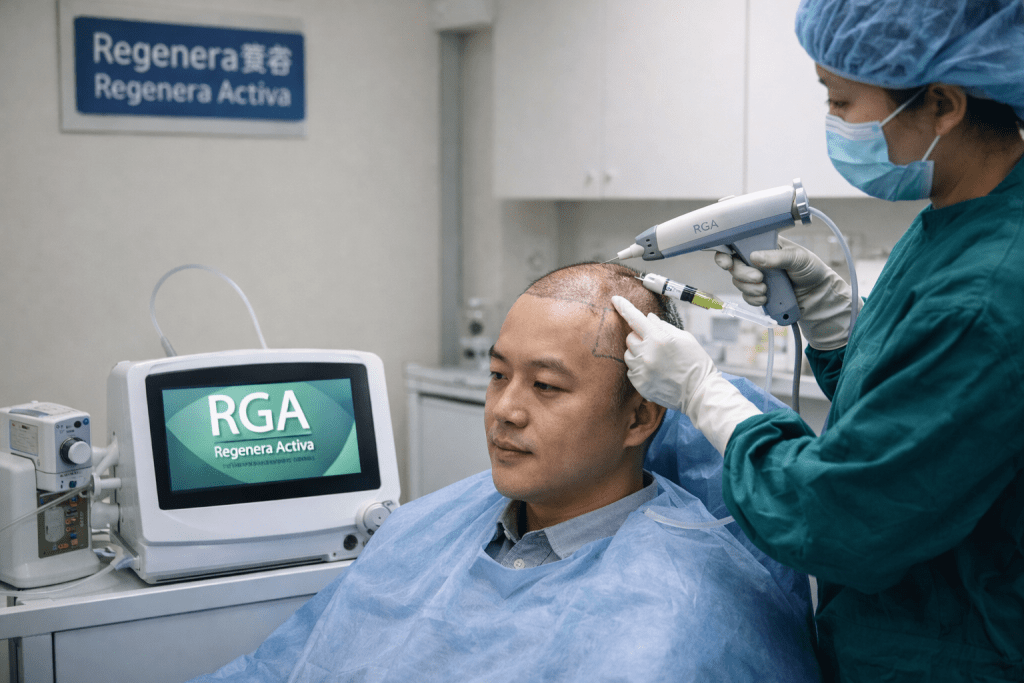
In one case, a complainant spent HK$88,000 on RGA (Regenera Activa) hair growth treatment — a procedure that claims to use regenerative cells and growth factors extracted from a healthy scalp to stimulate follicles and promote regrowth.
Initially hesitant due to the high cost, the complainant was persuaded by a free trial and promotional materials claiming “visible effect after one session.” He subsequently purchased three RGA sessions for HK$70,000, along with 12 laser therapy sessions for an additional HK$18,000.
However, the first injection left the consumer with a bleeding scalp wound that required medical attention. After completing all sessions, there was no noticeable improvement in hair density.
Dissatisfied with the treatment’s effectiveness, the complainant sought a refund and filed a complaint with the Council.
The company responded that treatments were non-refundable and non-transferable as stated in the contract. It added that effectiveness varies depending on individual factors and that results cannot be guaranteed.
The Council advised the complainant to seek legal advice, and the case has been referred to the Department of Health for follow-up.
HK$170,000 for hair that didn’t stay
In another case, a complainant paid approximately HK$170,000 for a hair transplant procedure involving the implantation of 2,000 artificial hair strands, after staff claimed the results would last six to eight years.
After completing two sessions to implant around 1,200 artificial strands, the consumer followed all post-treatment cleaning instructions. Nevertheless, the implanted area developed redness, inflammation and sores, and a significant number of strands detached.
Although company staff acknowledged the inflammation, the complainant received only two scalp care sessions over the following eight months, with no consistent follow-up or clear arrangements for the remaining treatments.
Within a year, nearly all of the implanted strands had fallen out, far short of the promotional claims. The complainant then sought assistance from the Council to pursue a refund.
The company alleged that the consumer had failed to actively use the complimentary scalp care services, which it said contributed to the deterioration of the condition.
The complainant disputed this, stating he had informed staff immediately after noticing inflammation and had not been clearly told that the follow-up sessions were essential.
After further conciliation by the Consumer Council, the company attributed the dispute to insufficient communication and arranged for the complainant to meet the attending doctor to discuss a subsequent treatment plan. The complainant has not contacted the Council since.
A call for transparency
The Consumer Council urged traders to refrain from making claims they cannot substantiate. It said treatment timelines and factors affecting results should be clearly explained so consumers can make informed decisions.
The watchdog also stressed that service providers should proactively follow up on clients’ recovery progress and arrange necessary aftercare.
Consumers were reminded that hair growth treatments rarely produce immediate results and often require long-term follow-up. The Council advised individuals to carefully assess their financial and time commitments before purchasing such services.
It also recommended that consumers document progress after each session through photos or videos and retain all transaction records and treatment documents as evidence.