






Read More



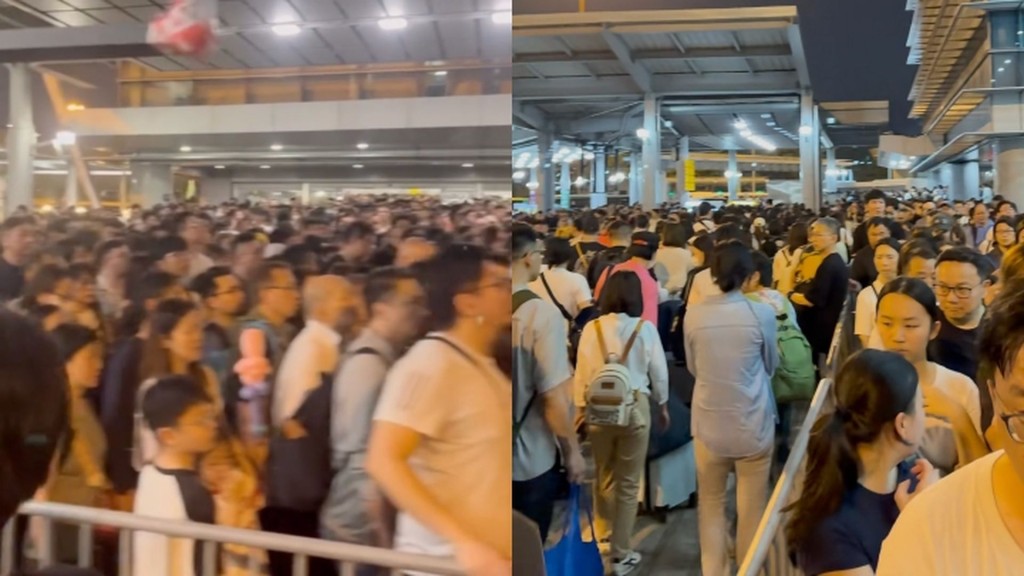



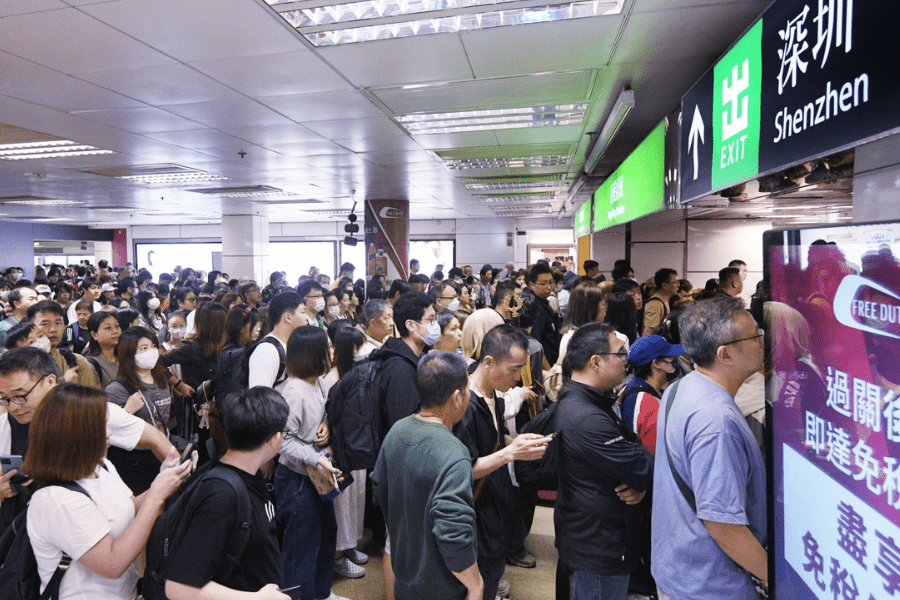
Nearly 1.26mn Hongkongers hop out of town, with 225,000 crossings by 10am
05-04-2026 17:11 HKT

Families disappointed after Discovery Bay Easter Egg Hunt cancellation
05-04-2026 19:58 HKT
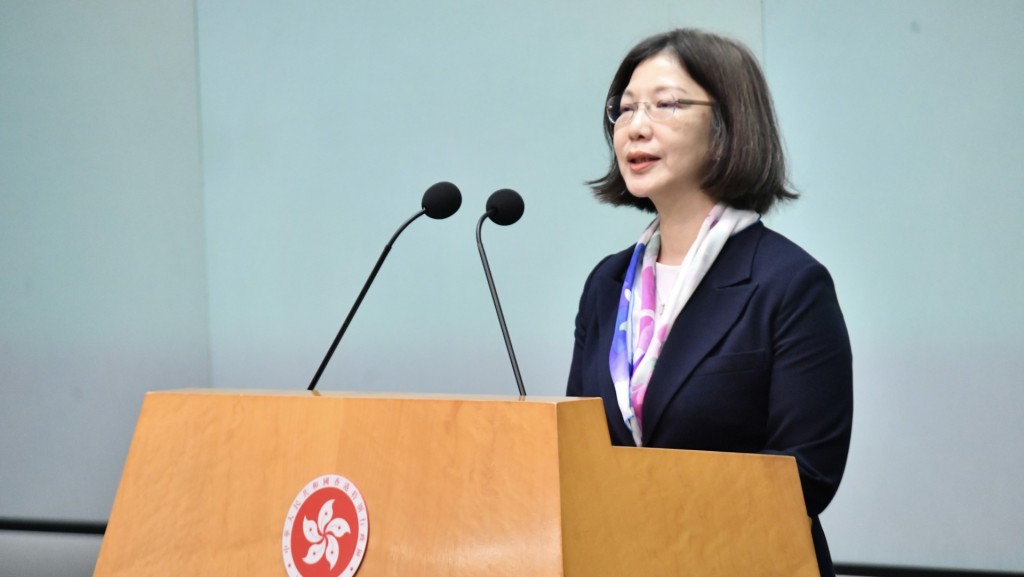
Hong Kong should seize opportunities in the fast-growing space economy by focusing on data, developing innovative sustainable solutions and leveraging its role as a global hub, experts said at a high-level roundtable convened by the Chief Executive’s Policy Unit – or CEPU.
Participants stressed that the future of space is increasingly defined not only by rockets and orbital capacity but by the ability to produce, aggregate and trade information. The concept of “whoever controls data controls space” was repeatedly highlighted, with remote sensing images, GPS data and datasets for climate, agriculture, maritime and logistics identified as critical resources for building high-value services and financial products.
Experts also argued that sustainable space is not merely an environmental issue but a foundation for safeguarding the long-term viability of the global space economy. Hong Kong’s role as a “super connector” and “super value-adder” was underscored, with its legal system, financial expertise and strengths in risk management and compliance seen as key to linking mainland technologies with international markets.
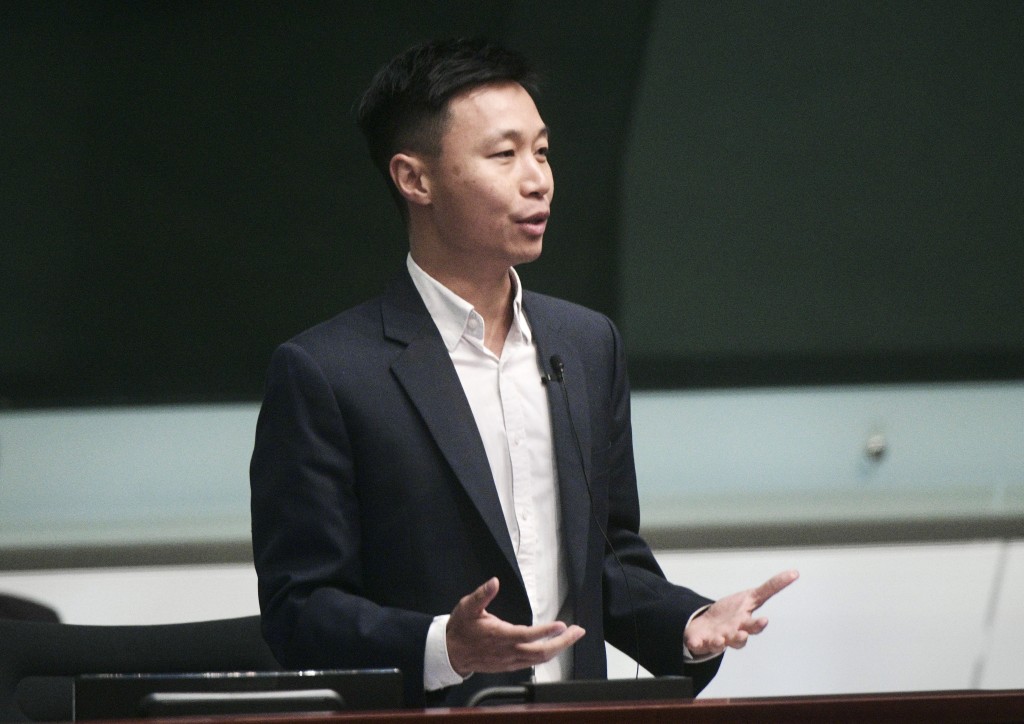
CEPU head Stephen Wong Yuen-shan said Hong Kong’s involvement could extend across the entire value chain, from university research and technology transfer to professional services, financing, insurance, intellectual property management and data governance. He added that the government has already laid important groundwork, with the 2025 Policy Address announcing the creation of the Hong Kong Space Robotics and Energy Centre to support China’s Chang’e-8 lunar mission, alongside more than HK$100 million in funding for six space research projects.
The government’s investment arm the Hong Kong Investment Corporation is advancing investments related to commercial aerospace and the space economy to promote the application and commercialization of next-generation space technologies, and sent multiple representatives to the meeting.
The roundtable also featured leading academics, including Gao Yang, director of the Hong Kong Space Robotics and Energy Centre; Yung Kai-leung, director of the Research Centre for Deep Space Explorations at Polytechnic University; Quentin Parker, director of Hong Kong University’s Laboratory for Space Research; and Wu Zherong from Chinese University’s Institute of Space and Earth Information Science.
Other renowned attendants were representatives from the Hong Kong (International) Aerospace Charitable Foundation, the Federation of Hong Kong Industries and related government departments. BDJ Capital founder and managing director Adam Janikowski also joined the discussion.