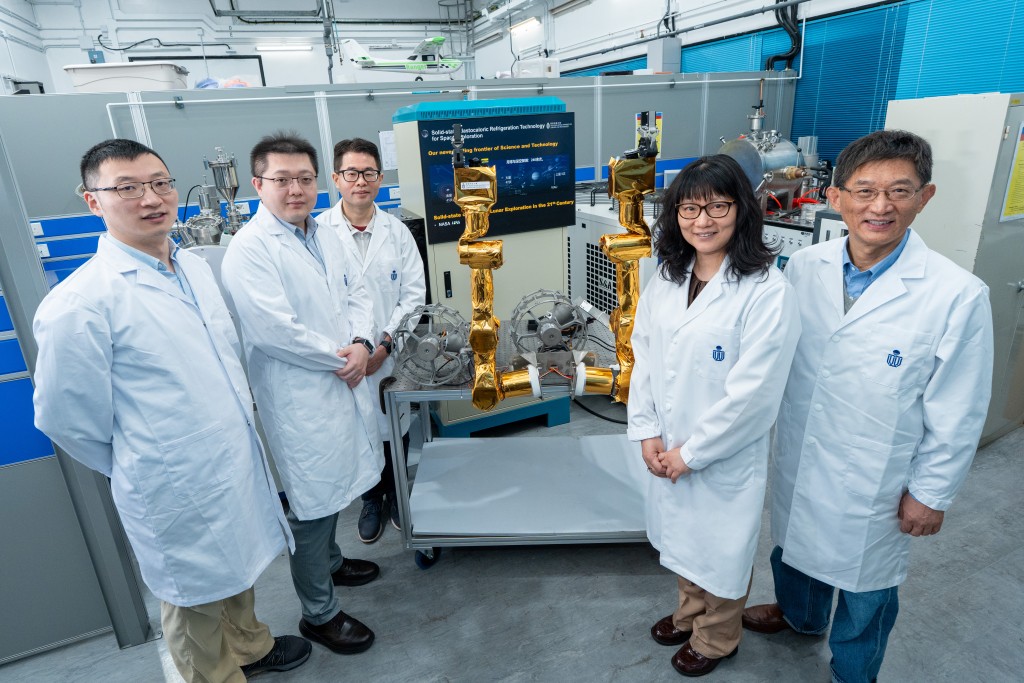
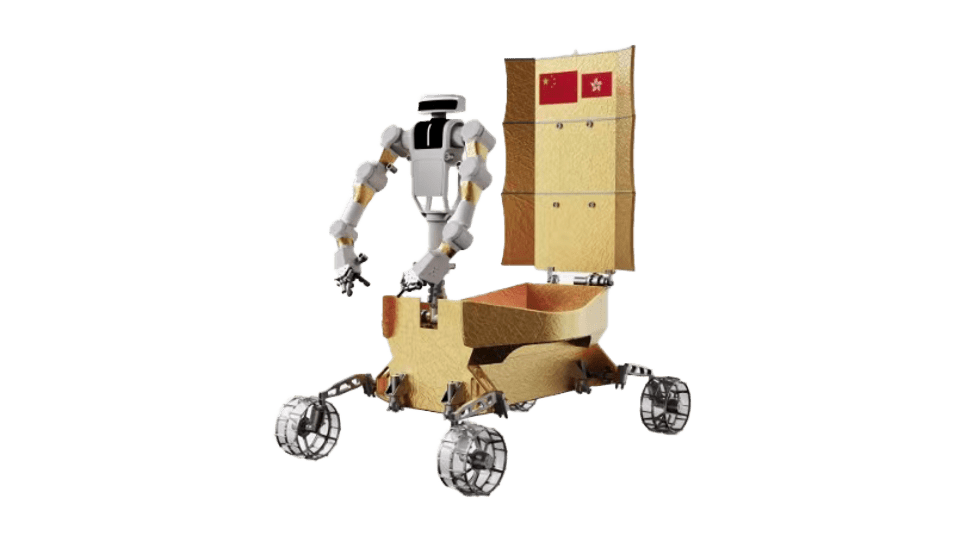
The University of Science and Technology yesterday announced that it has been appointed by the China National Space Administration to lead the development of a lunar surface operation robot for the Chang'e-8 mission.
The Chang'e-8 probe is scheduled for launch around 2029, carrying robots including the “Hong Kong Operation Robot” and landing at the lunar south pole to conduct scientific research.
The project united over 100 aerospace experts from academic and research institutions around the world.
The government has established the Hong Kong Space Robotics and Energy Center to spearhead the project, fostering cross-institutional and cross-regional collaboration.
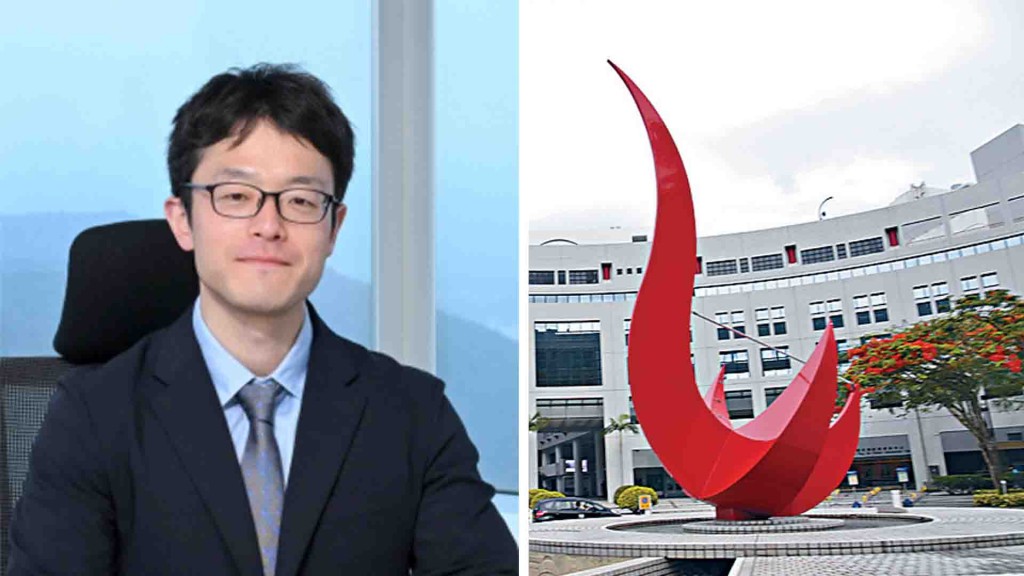
Director of the HKSREC and Centre for AI Robotics in Space Sustainability, Gao Yang, said that the robot is equipped with dual robotic arms, capable of deploying and installing instruments, and collecting lunar surface samples.
He added the moon's south pole presents a unique and challenging landscape, so the robot must be capable of real-time perception of the terrain, autonomous path planning and optimization, and operate under huge temperature swings without satellite navigation support.
The university also designed a framework that enables the robot to function safely, and achieve unprecedented situational awareness and adaptability.
Tim Cheng Kwang-ting, vice president for research and development at HKUST said that the university is contributing to the international growth of China's aerospace program.
“These efforts will not only elevate Hong Kong's global competitiveness in aerospace technology but also strengthen its role as an international hub for innovation and technology, while generating meaningful economic impact," he said.