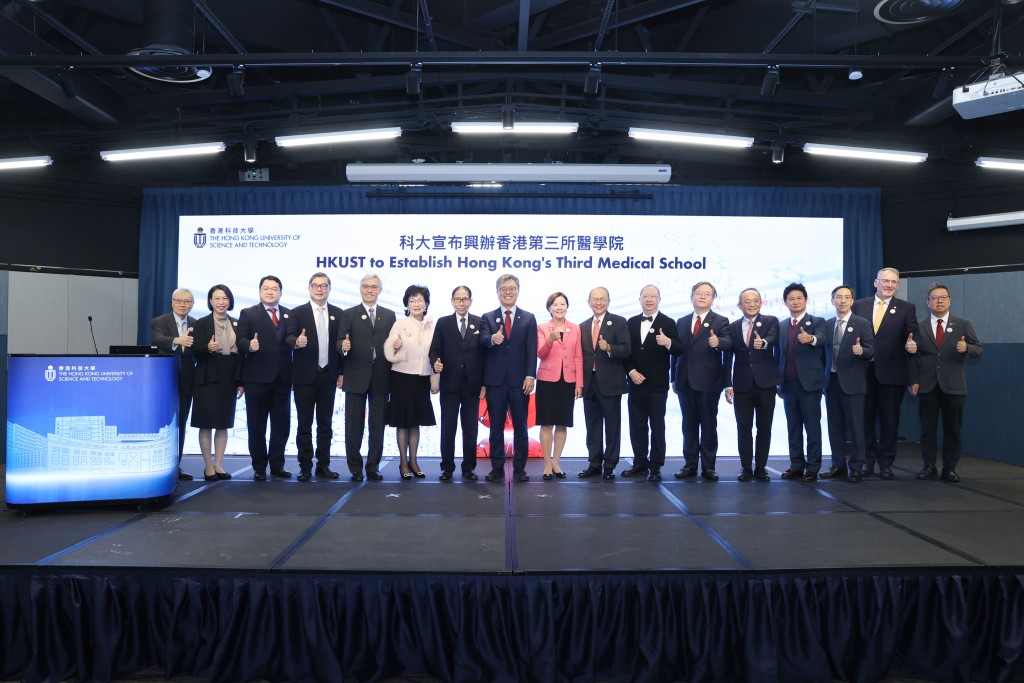
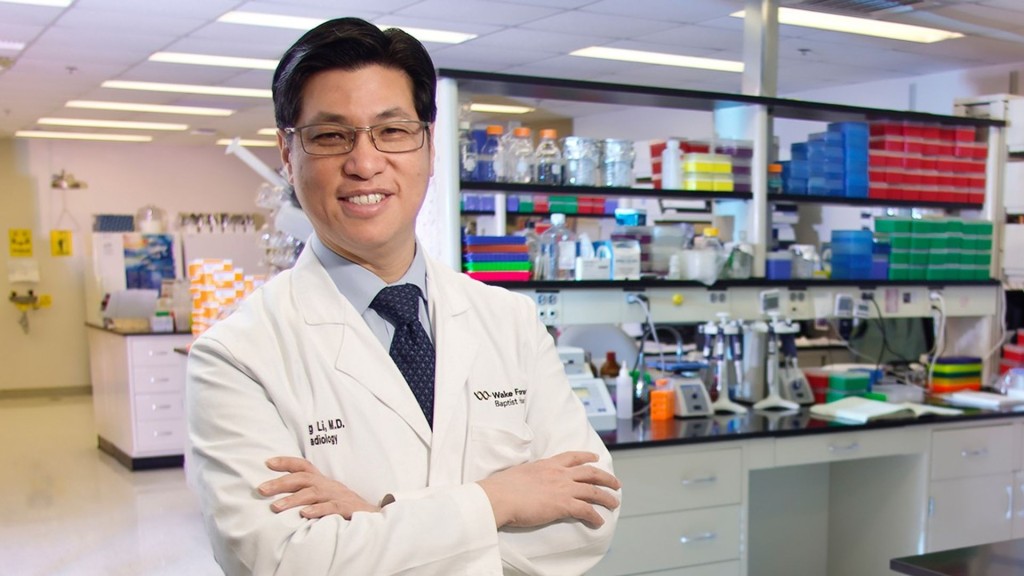
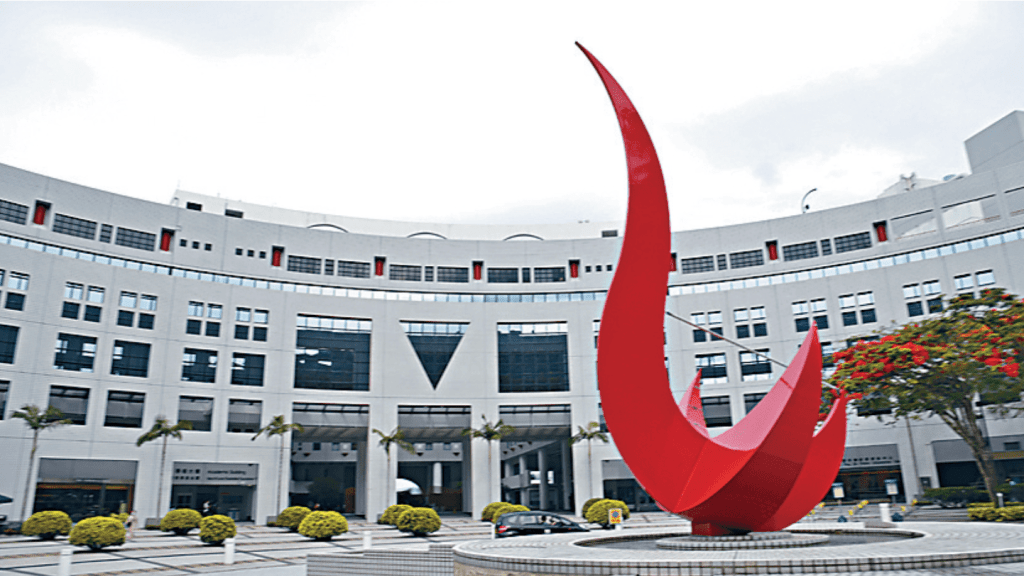
The new medical school at the Hong Kong University of Science and Technology (HKUST) is beginning to take shape, with president Nancy Ip Yuk-yu announcing the appointment of six clinical professors and the launch of a global search for the founding dean.
Speaking at a press conference on Wednesday, Ip said the university is studying programs at leading international institutions as references for its curriculum design.
The curriculum will incorporate early clinical exposure and integrated training in technology, artificial intelligence, innovation, and entrepreneurship, with a strong focus on developing patient-centered and empathetic physicians.
Ip said six clinical professors have already joined the faculty. Over the past two years, another 36 senior clinical and non-clinical scholars from Hong Kong and overseas have signed letters of intent to join the school.
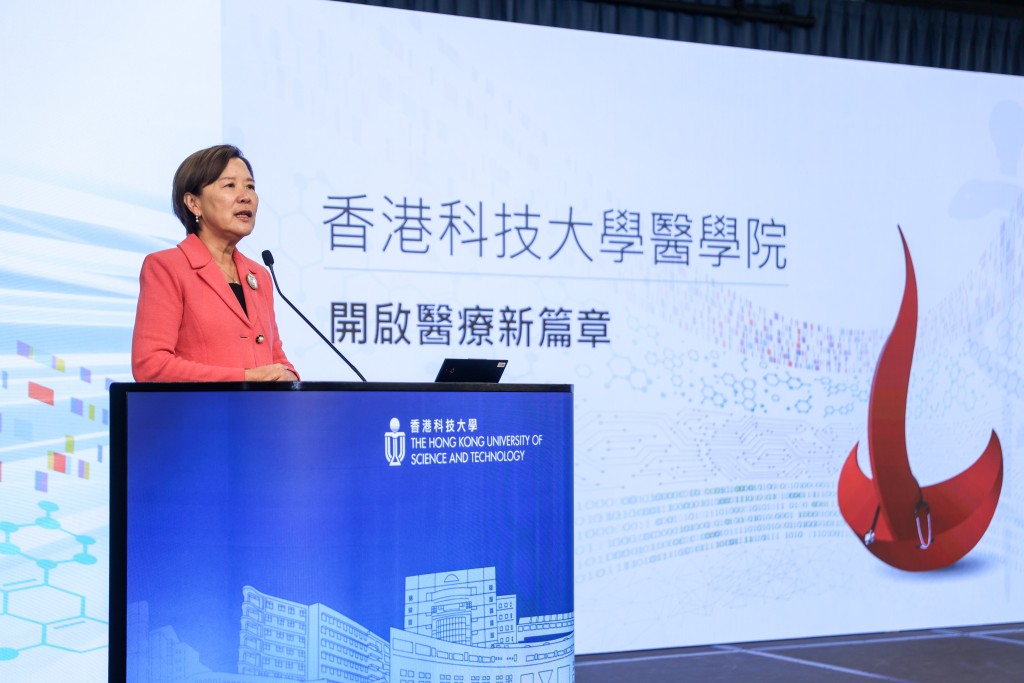
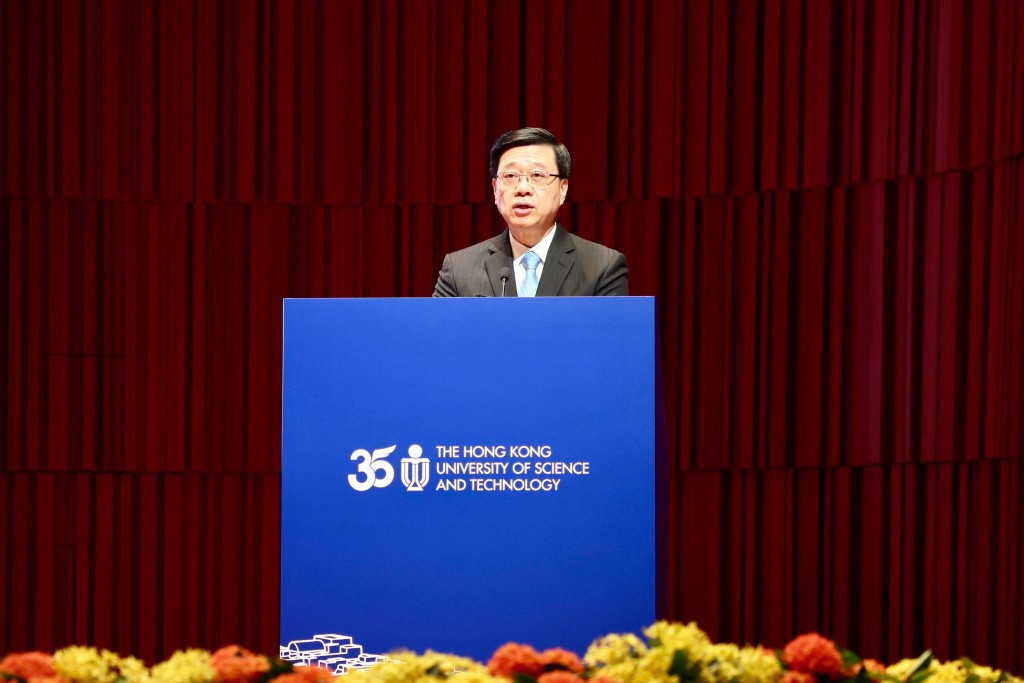
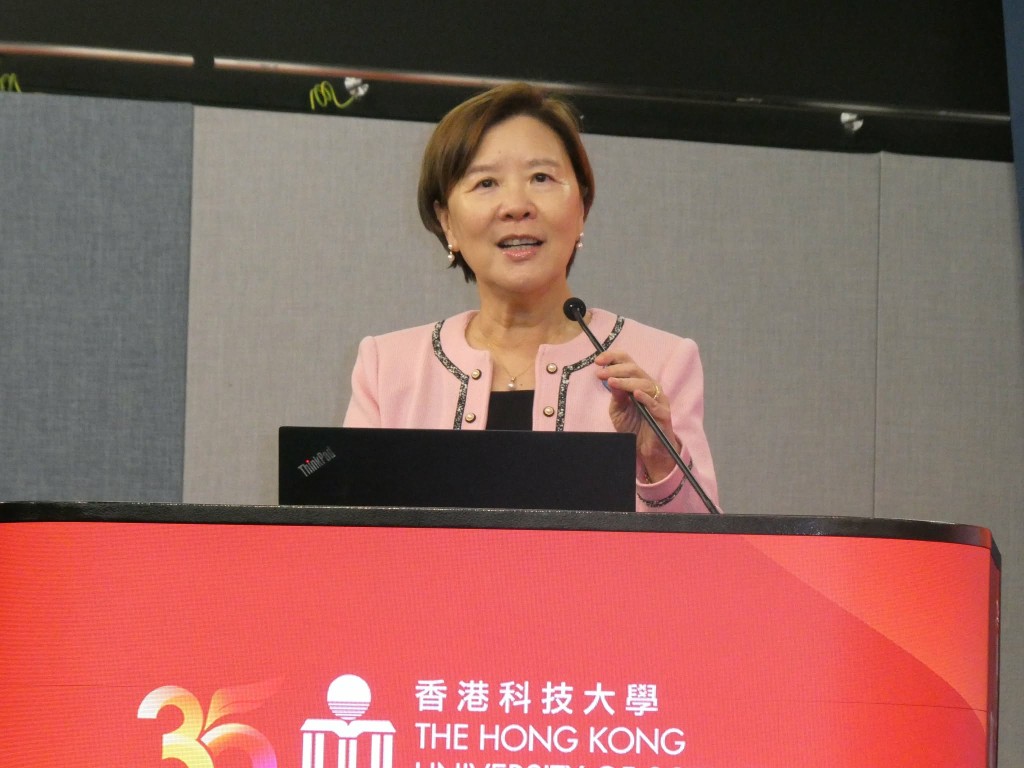
HKUST's president Nancy Ip Yuk-yu
“The university will initiate a global recruitment for the founding dean and other academic leadership positions,” she said, noting that candidates should have experience in hospital management and medical education, along with a solid understanding of both Hong Kong and mainland China.
She also said HKUST plans to invest more than HK$7 billion in the medical school over the next 25 years.
On admissions, Ip said the school will begin by recruiting students for a four-year “second-degree” Bachelor of Medicine and Bachelor of Surgery program.
The first cohort is expected to come from biological science backgrounds, but the school eventually hopes to attract students from other fields, including the humanities, social sciences, and artificial intelligence.
The aim, she said, is to train clinically strong doctors who can harness technology to meet future healthcare challenges.
She added that graduates will not be required to practice in Hong Kong or engage in research, saying the university will respect individual career choices. However, she expressed confidence that, after receiving medical qualifications and benefiting from extensive research opportunities in Hong Kong, many graduates will be motivated to begin their careers locally.
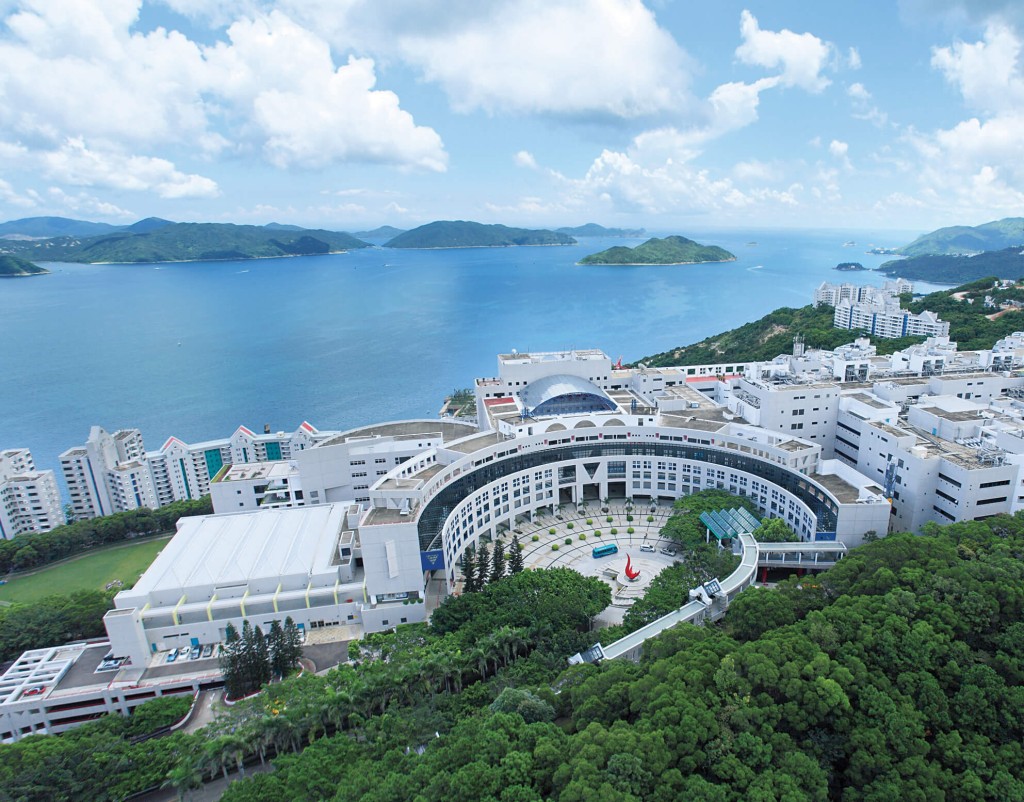
On the teaching hospital, Ip noted that the permanent campus at the Northern Metropolis University Town will take about ten years to complete. HKUST therefore plans to invest HK$2 billion to build a temporary teaching facility at its Clear Water Bay campus.
Further discussions with the government on the hospital arrangements are expected within the next two weeks.
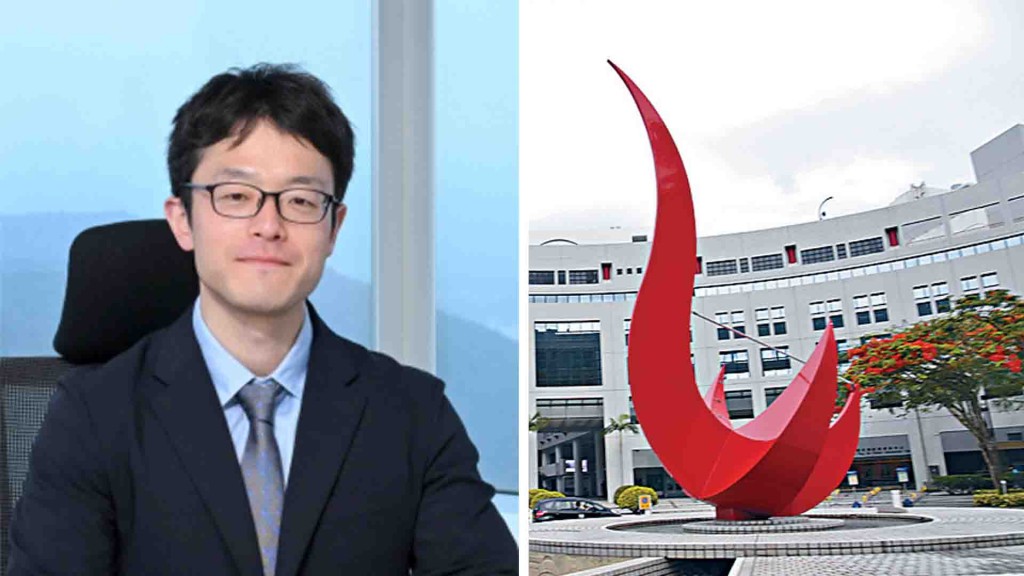
Meanwhile, Council Chairman Harry Shum Heung-yeung said the establishment of the medical school is a key government initiative to meet Hong Kong’s future healthcare needs and help drive reforms in the health system, which he described as crucial to the well-being of all Hong Kong residents.
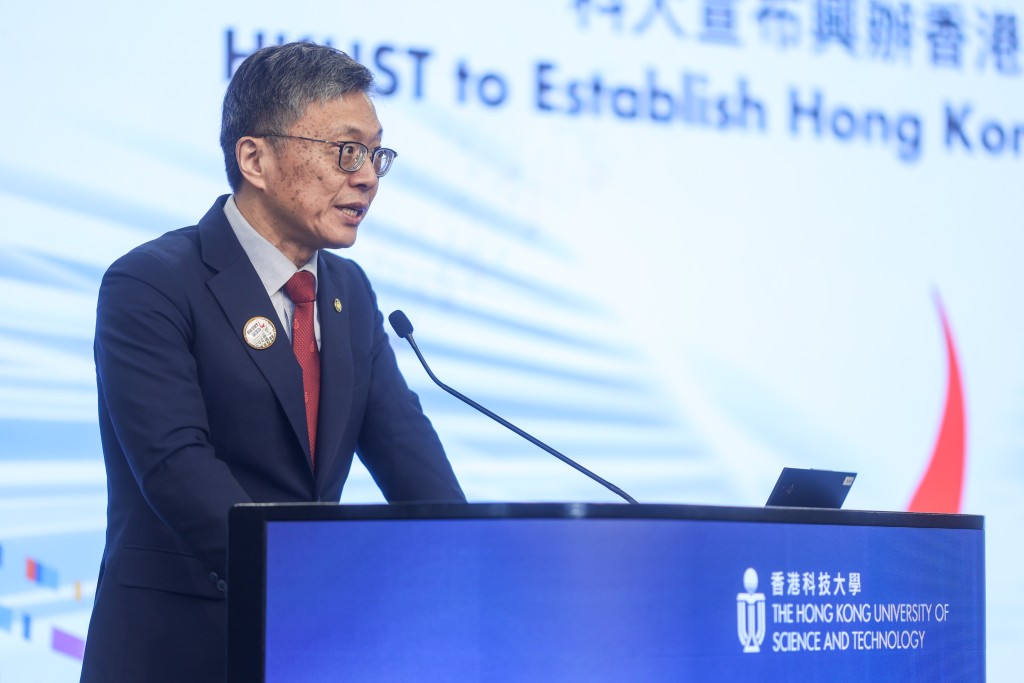
Council Chairman Harry Shum Heung-yeung