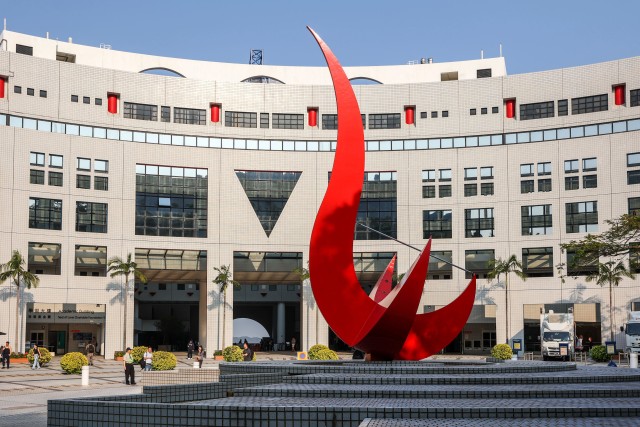
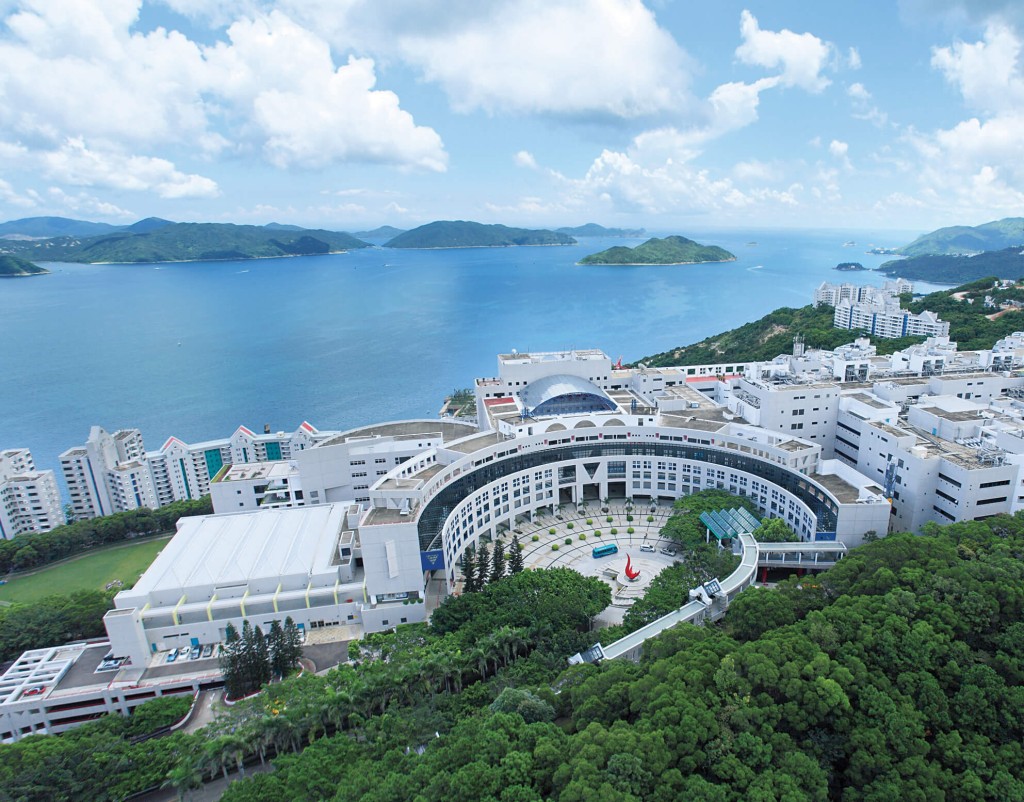
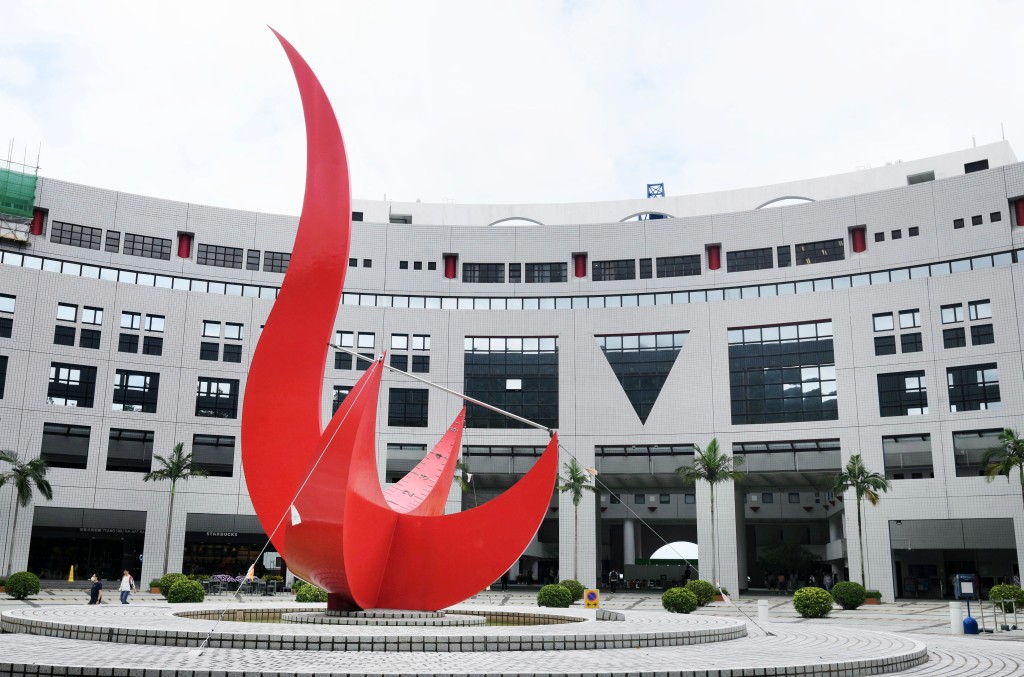
The government has endorsed the Hong Kong University of Science and Technology (HKUST) to establish the city's third medical school, with an initial target of enrolling 50 students in its first phase by 2028.
The initiative was approved after the Executive Council considered the recommendations of the Task Group on New Medical School.
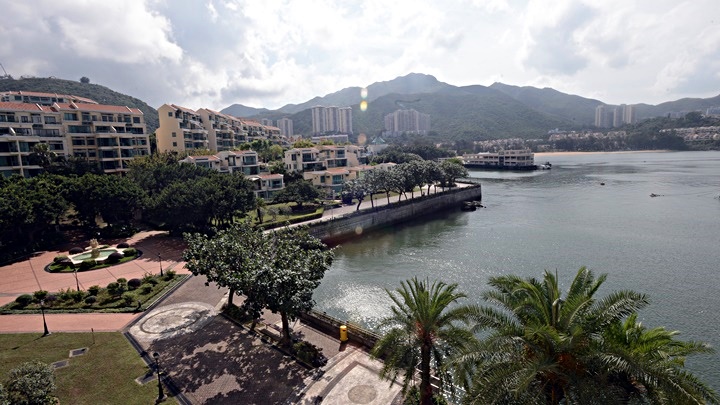
Secretary for Health Lo Chung-mau stated that HKUST will partially fund the new medical school through its own resources, including donations and endowment funds. This includes self-financing HK$2 billion to construct an integrated medical school complex at its Clear Water Bay campus.
The government will also reserve resources to support the development of the new medical school and will utilize funding from the University Grants Committee to subsidize new student places, which will serve as operational funding.
Additionally, Lo stated that the Hospital Authority will coordinate with the new school to arrange clinical training at its teaching hospitals.
Subject to funding arrangements and preparation progress, the target is to welcome the first cohort of 50 medical students in 2028, with the first batch of graduates expected to begin their internships in 2032.
The Task Group on New Medical School received proposals for the establishment of the third medical school from three universities, including HKUST, Hong Kong Baptist University (HKBU) and the Hong Kong Polytechnic University (PolyU).
The medical school will be located in the Northern Metropolis University Town to foster synergy among academia, research, and industry within the vicinity and the Greater Bay Area.
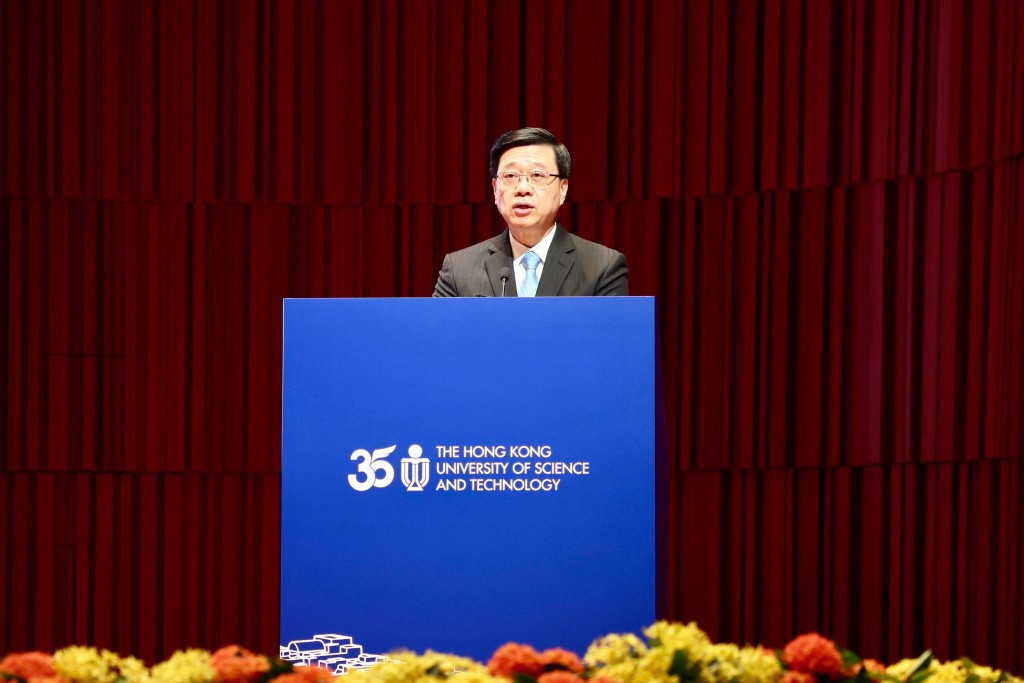
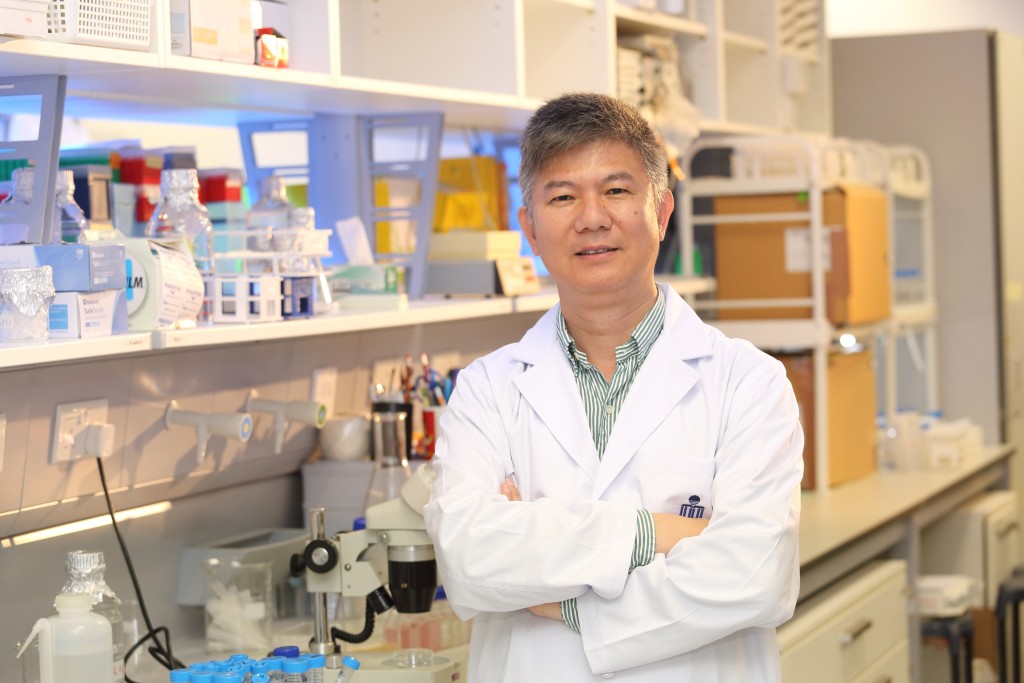
HKUST expresses its gratitude to the government for its trust, stating the approval "represents a significant advance in addressing Hong Kong's future healthcare needs through an innovative, interdisciplinary approach to medical education."
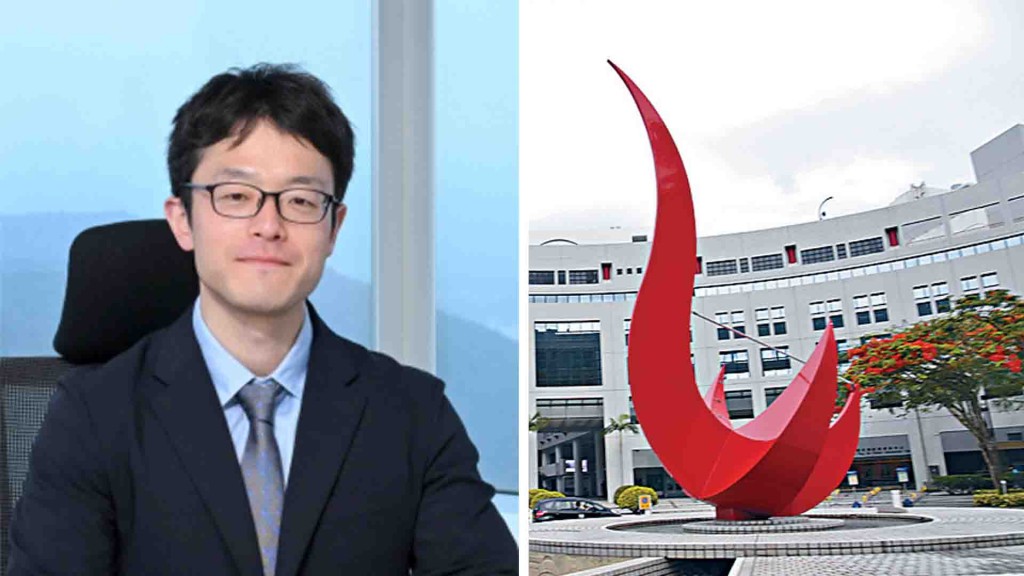
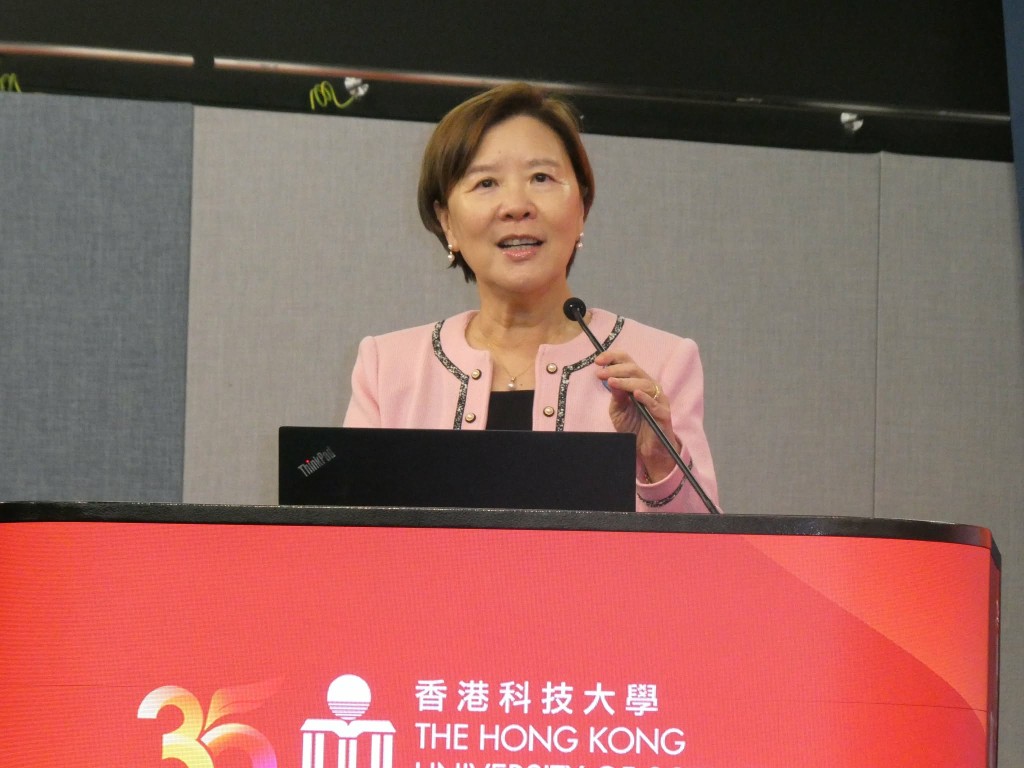
"We are grateful for the opportunity to prepare a new generation of clinicians through integrating rigorous clinical training with technological proficiency," said HKUST president Nancy Ip Yuk-yu. "(The decision) empowering our graduates to excel as future practitioners and leaders in the evolving healthcare landscape."
As for HKBU, the president and vice-chancellor Alexander Wai Ping-kong expressed his respect for the decision and extended his sincere congratulations to HKUST on securing the recommendation to establish a new medical school.
“The Frontier Translational Medical Research Institute, established alongside with the new medical school proposal preparation, will continue to develop as a hub for advanced research and development in medical science and healthcare,” he added.
PolyU said it is disappointed not to have been selected to establish the third medical school but fully respects the government’s decision. It sincerely congratulates HKUST on its successful bid to establish the third medical school.
President Teng Jin-Guang thanked all colleagues involved in the application process for their valuable input and strong support and emphasized that the university will continue to leverage its unique strengths in “medicine-engineering integration”, deepen clinical collaboration with local hospitals, accelerate the translation of medical research outcomes, actively nurture healthcare talent to address societal needs, and contribute to establishing Hong Kong as an international hub for medical training, research and innovation.
The Chinese University of Hong Kong welcomed the new medical school, noting that collaboration with HKUST will expand opportunities in education and research, complement Hong Kong’s medical innovation ecosystem, and advance global development.