The transitional housing units can provide long-term accommodation for those affected by the devastating inferno without any rental burden, allowing them to focus on rebuilding their lives, said Deputy Financial Secretary Michael Wong Wai-lun.
Speaking on a radio program on Sunday, Wong highlighted that more than 700 residents have stayed at the nine temporary shelters during the peak periods.
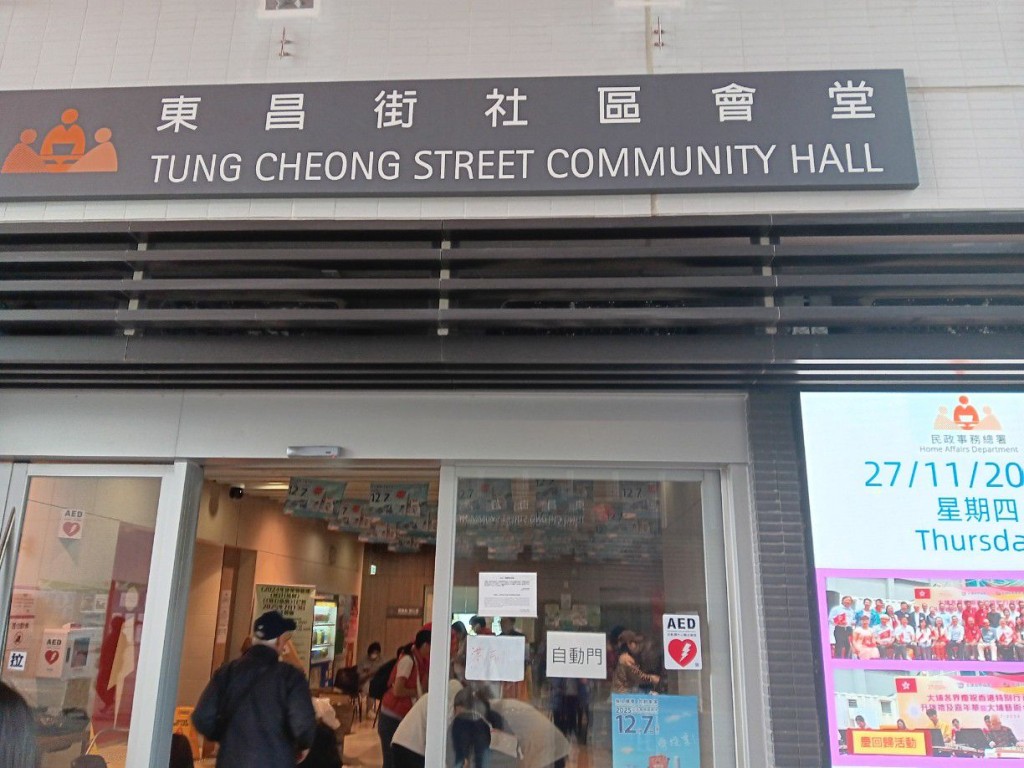
Currently, about 1,500 affected residents are residing in government-arranged emergency accommodations – 500 in hotels and youth hostels, and 1,000 in transitional housing flats.
As of yesterday, around 40 residents remain in two shelters.
Wong noted that some residents may prefer to remain in the temporary shelters for a longer period. "We will not force them to leave," he assured, adding that the government will continue to assess residents' needs and provide necessary support.
He reassured that the transitional units could serve as a long-term accommodation solution, thereby dispelling concerns of imminent relocation or rental payments. "We are confident that they can remain until the rebuilding process and related issues are resolved," he stated.
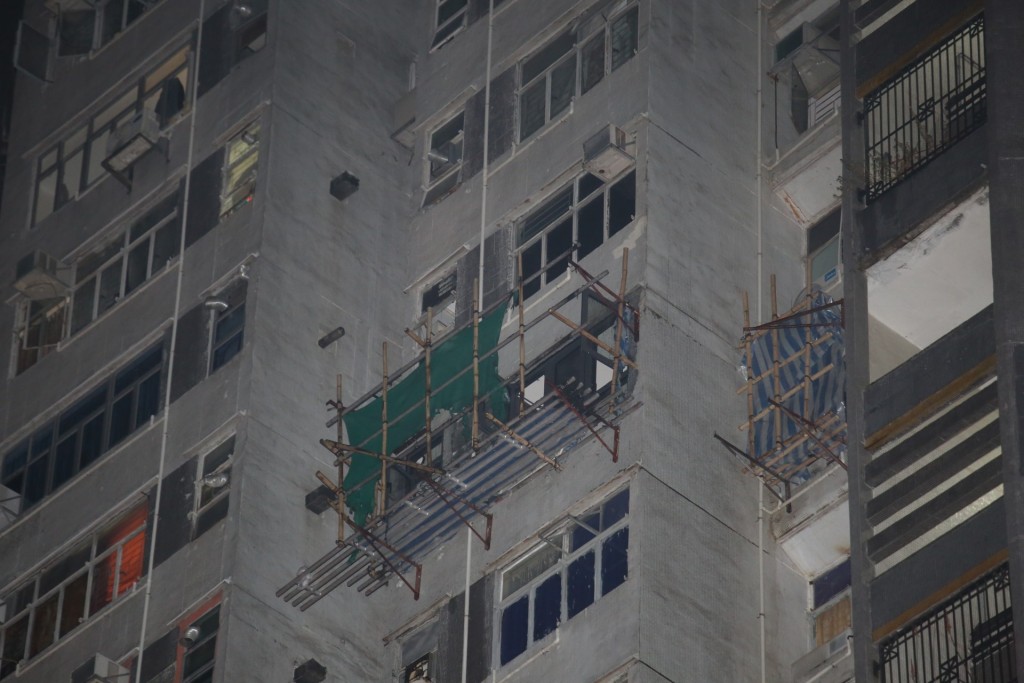
Among the eight buildings in Wang Fuk Court, Wang Chi House was unaffected by the fire. Wong said the government will arrange the residents to return to their homes as soon as the block's utilities and elevators are deemed operational and safe.
For the remaining seven blocks, assessments will be conducted before further arrangements.
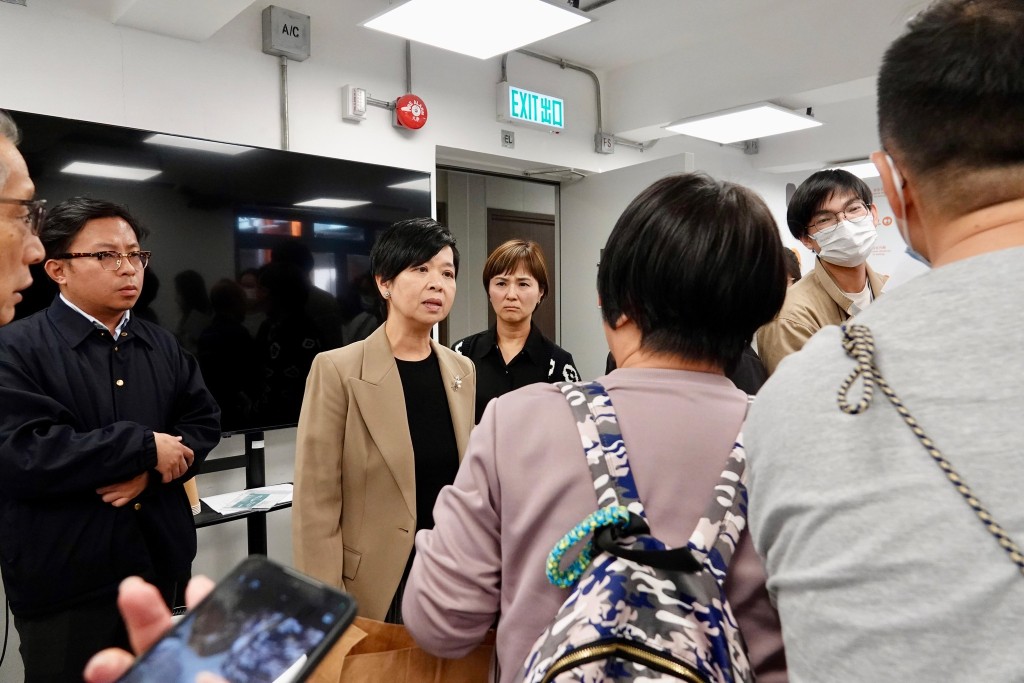
Secretary for Housing Winnie Ho Wing-yin said the transitional flats provide residents with extensive support, and social workers have been arranged to provide assistance and psychological counseling.
Acknowledging the emotional support that pets offer, Ho said special arrangements have been made to allow pets to stay in the transitional housing units.
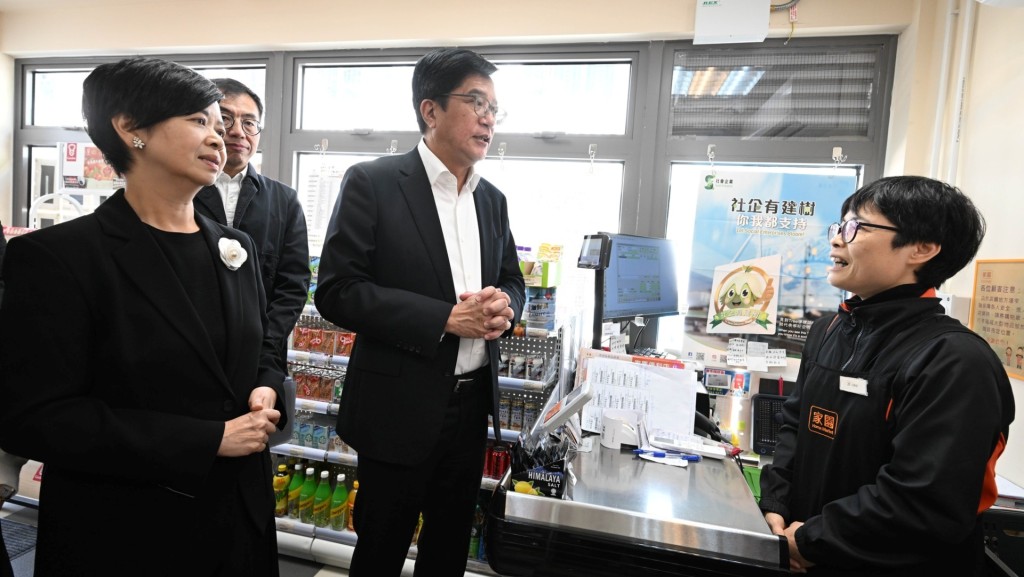
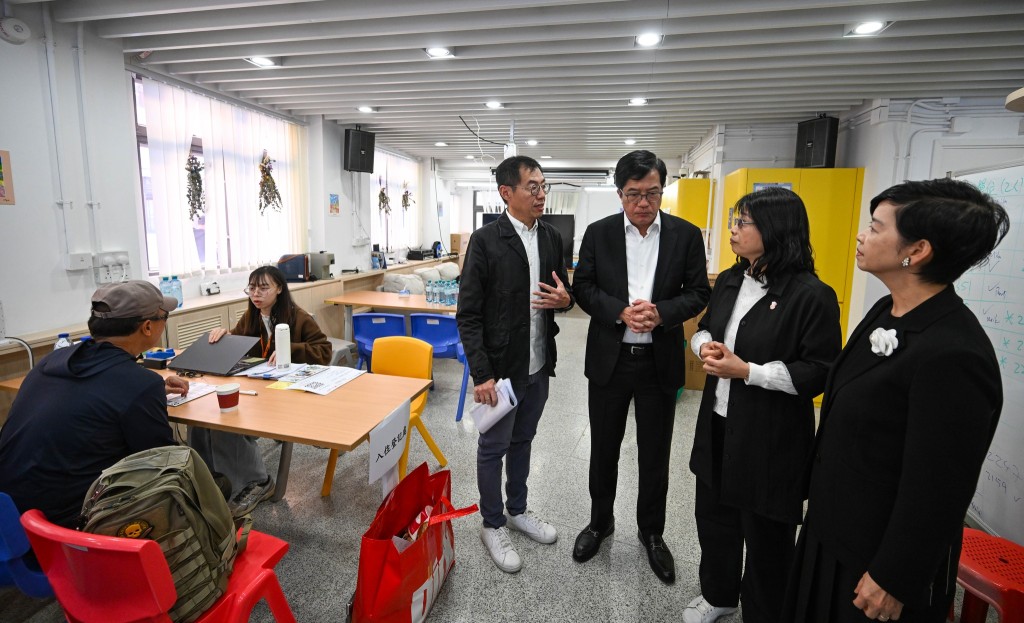
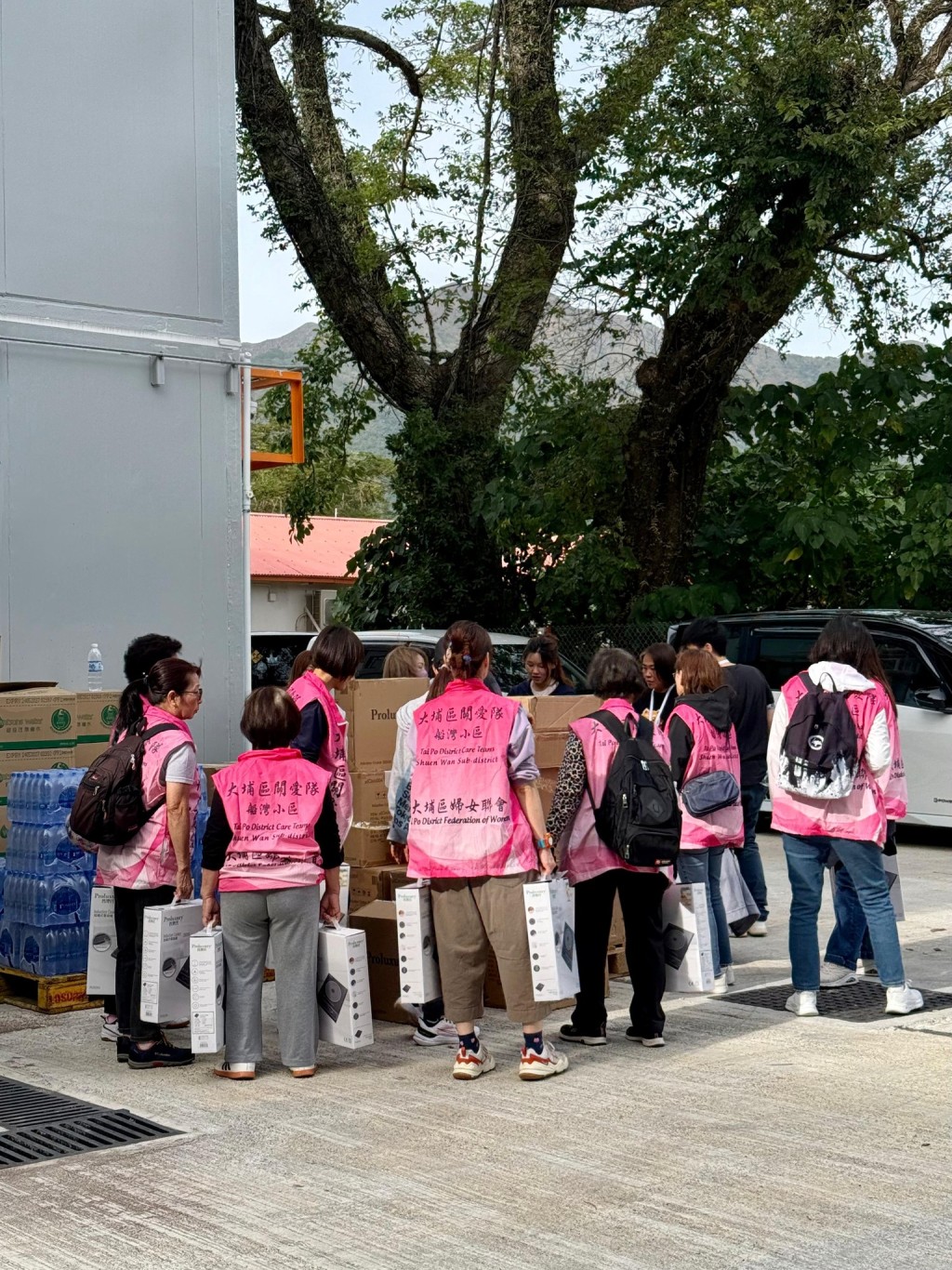
Ho, along with Under Secretary for Housing Victor Tai Sheung-shing, recently visited two transitional housing projects -- Lok Sin Village and Good House in Tai Po -- where they observed the care provided to residents. The presence of numerous social workers and volunteers assisting the victims elicited an emotional response from Ho, who remarked, "Observing this scene was profoundly moving. It's heartening to know that in times of need, the community comes together without hesitation."
When asked whether the incident would impact other applicants for transitional housing, she noted that the affected residents only accounted for seven percent of overall occupancy. The designs of some projects include emergency units to ensure there is enough capacity to meet demand, she said.
She said there are 18,400 units available, with more than 2,000 additional units under construction to meet ongoing needs.