Read More








Night Recap - August 25, 2026
7 hours ago

Taxi stuck sideways in narrow Central alley
24-08-2026 15:55 HKT
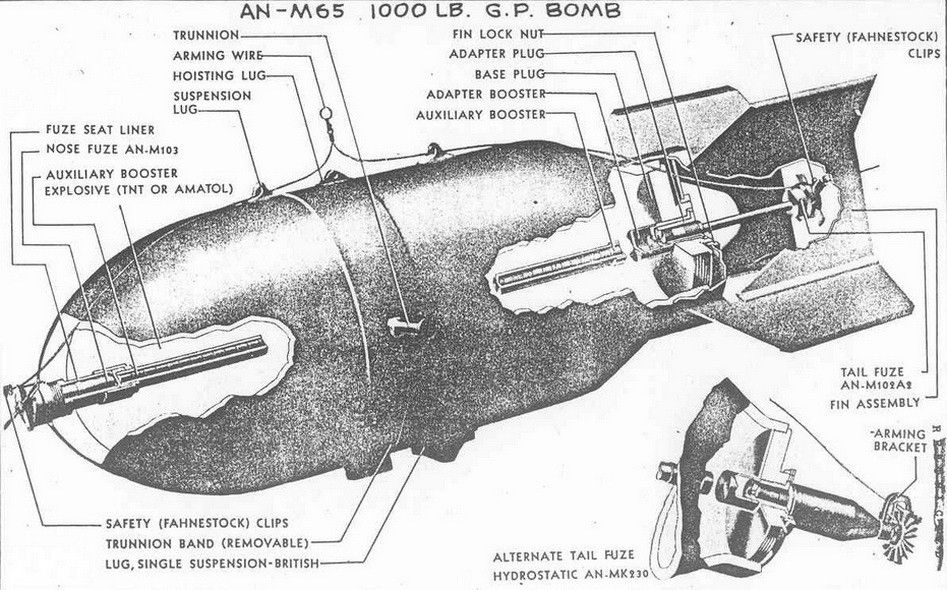
A 1,000-pound American ANM65 bomb from World War II, discovered at a construction site in Quarry Bay, Hong Kong, was safely defused on September 20, 2025, after a nine-hour operation by the police’s Explosive Ordnance Disposal team, with historical research revealing its origins in a 1945 U.S. air raid on the Taikoo Dockyard.
Yesterday (Sep 19), a construction site at 16-22 Pan Hoi Street in Quarry Bay uncovered a 1,000-pound World War II-era American ANM65 bomb.
The police’s Explosive Ordnance Disposal Bureai worked for over nine hours, successfully neutralizing the bomb this morning.
Historical research has shed light on the bomb’s origins, linking it to a 1945 U.S. military operation targeting the Taikoo Dockyard.
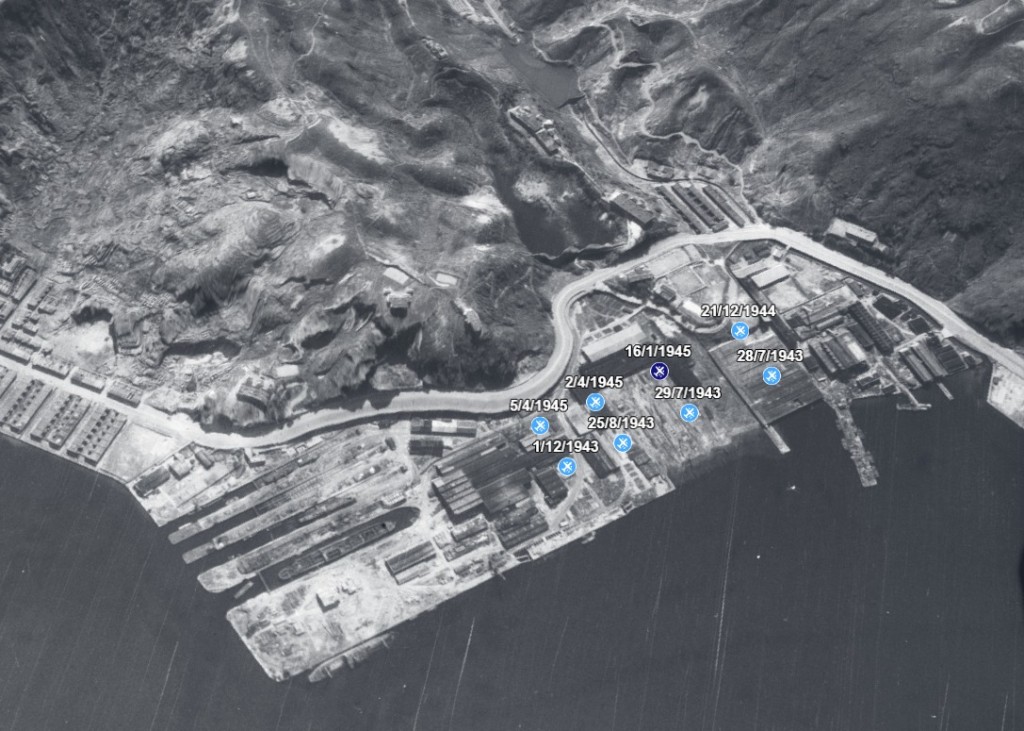
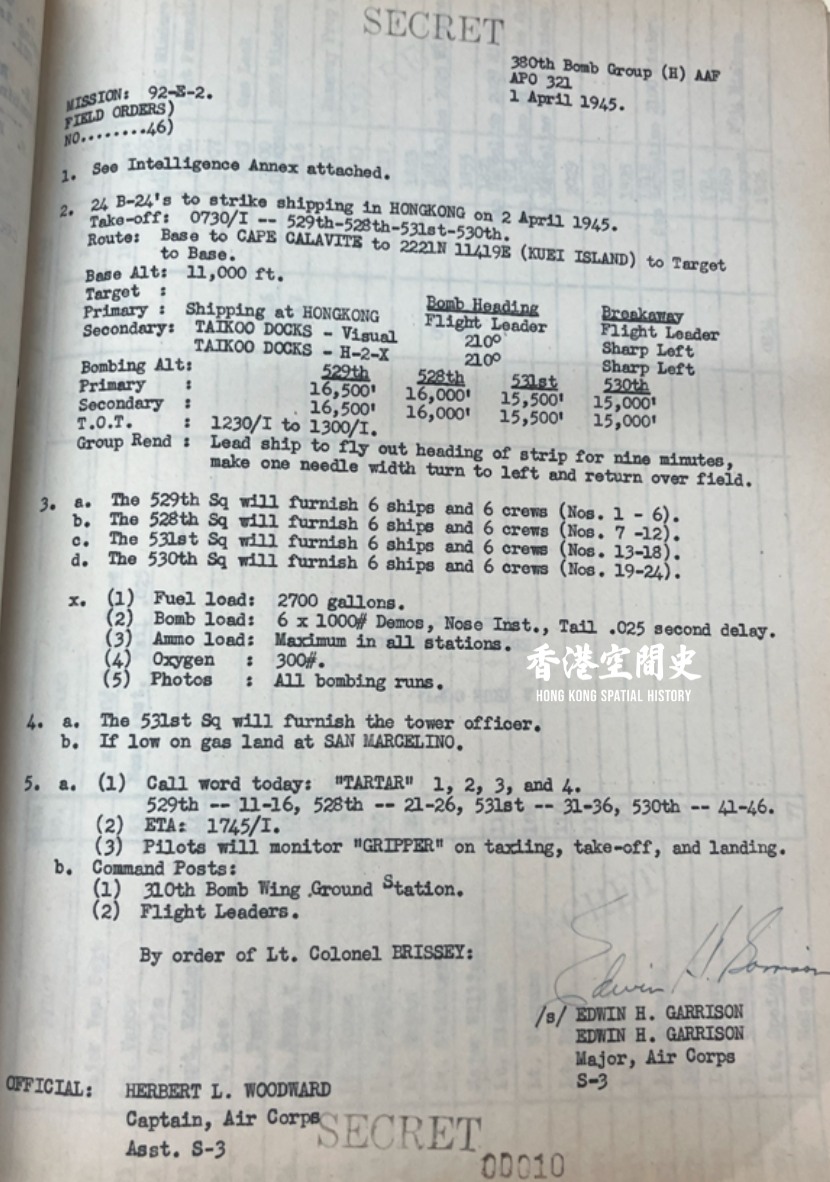
Historians from the Hong Kong Baptist University’s History Department, through their Hong Kong Spatial History Research Project, traced the bomb to an April 2, 1945, air raid by the U.S. Army Air Forces’ 380th Bombardment Group.
The group deployed 24 B-24 bombers from the Philippines, with the 531st Squadron dropping 1,000-pound M-65 bombs on the dockyard area.
Each bomber carried six such bombs, and photographic evidence from the mission shows that some landed in the vicinity of Waterfront Road, then part of a sugar refinery.
The site where the bomb was found is near a historic Grade III building, the Former Quarry Bay School.
Further analysis suggests that the 380th Bombardment Group dropped 144 bombs during the raid, with many falling into the sea, explaining why unexploded ordnance is occasionally discovered during reclamation projects in Victoria Harbour.
The bombs were dropped from altitudes between 15,000 and 16,500 feet, with front fuses set for instantaneous detonation and rear fuses for a 0.025-second delay.
Experts have speculated on why this particular bomb failed to detonate.
Discussions between historians and researchers suggest it may have landed in a warehouse storing sugarcane and bagasse, covered by a thin zinc-iron roof.
This soft, cushioned surface likely slowed the bomb’s descent, preventing it from generating enough force to trigger the front fuse’s shear pin or compress the rear fuse’s spring, as dictated by Newton’s laws of motion.