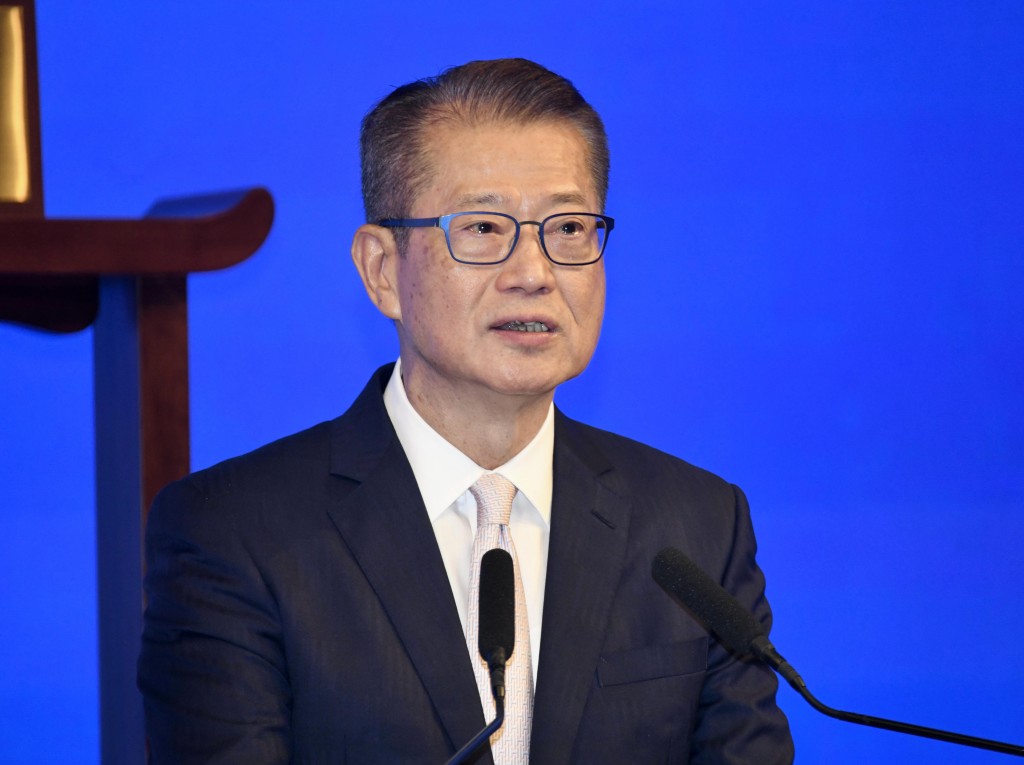
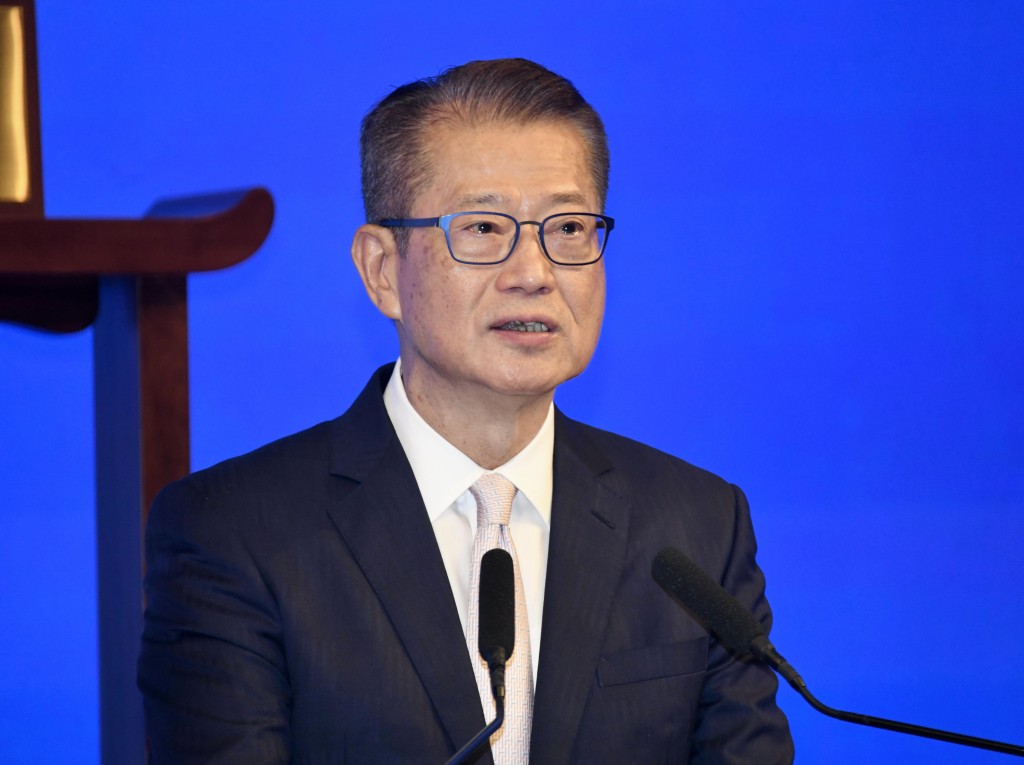
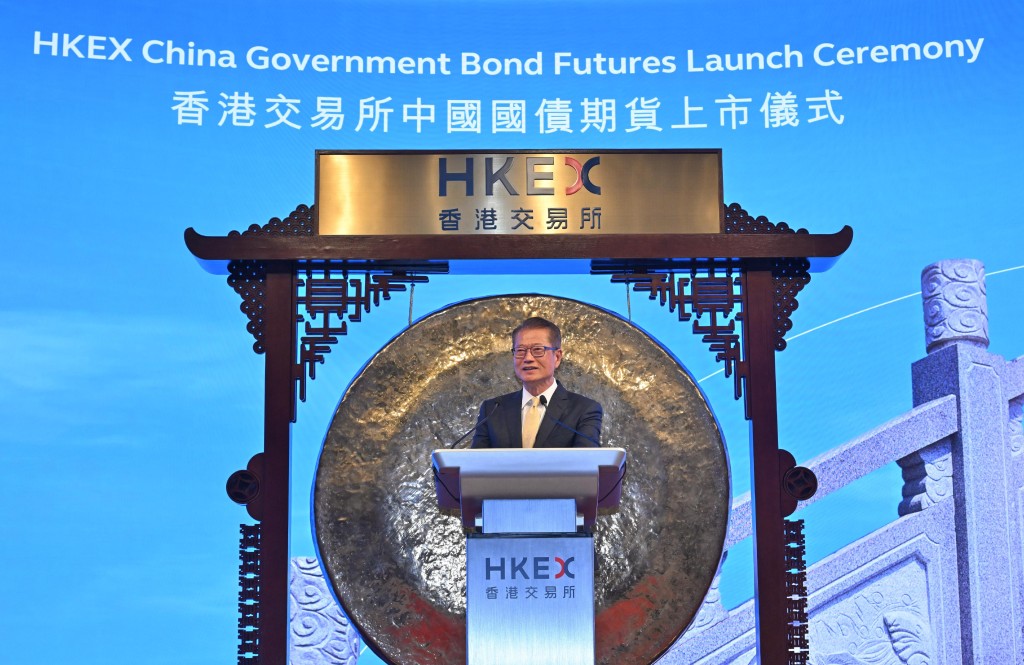
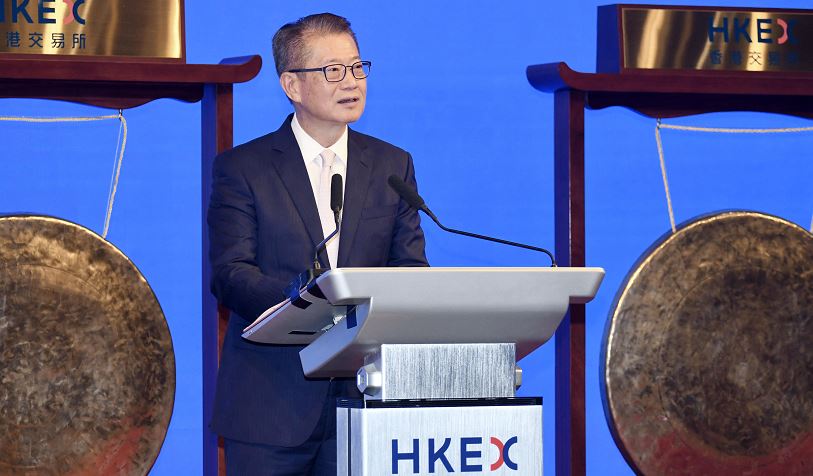
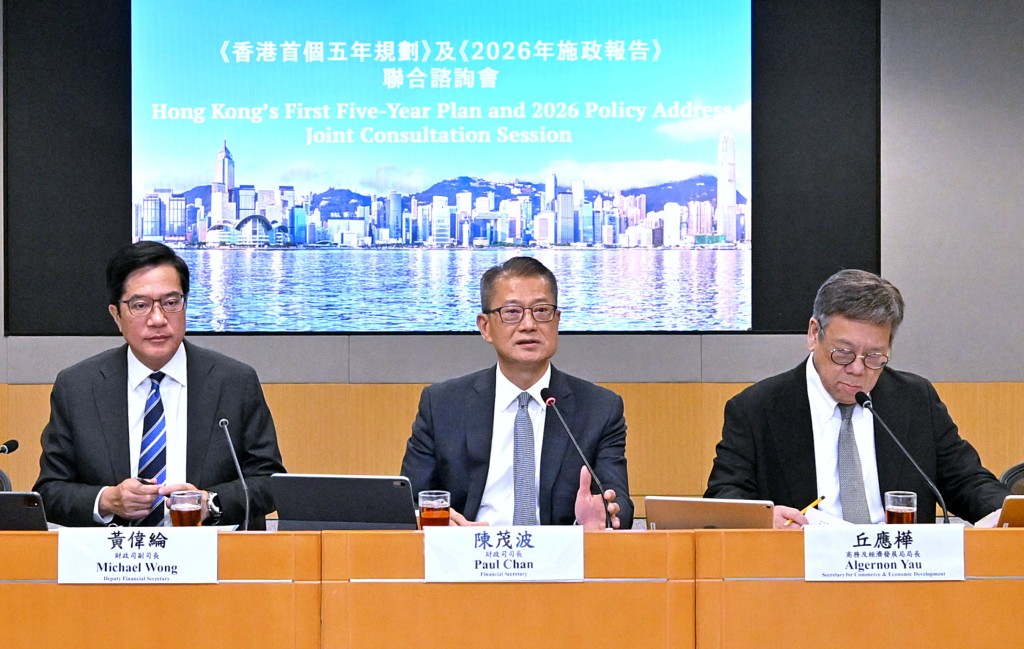
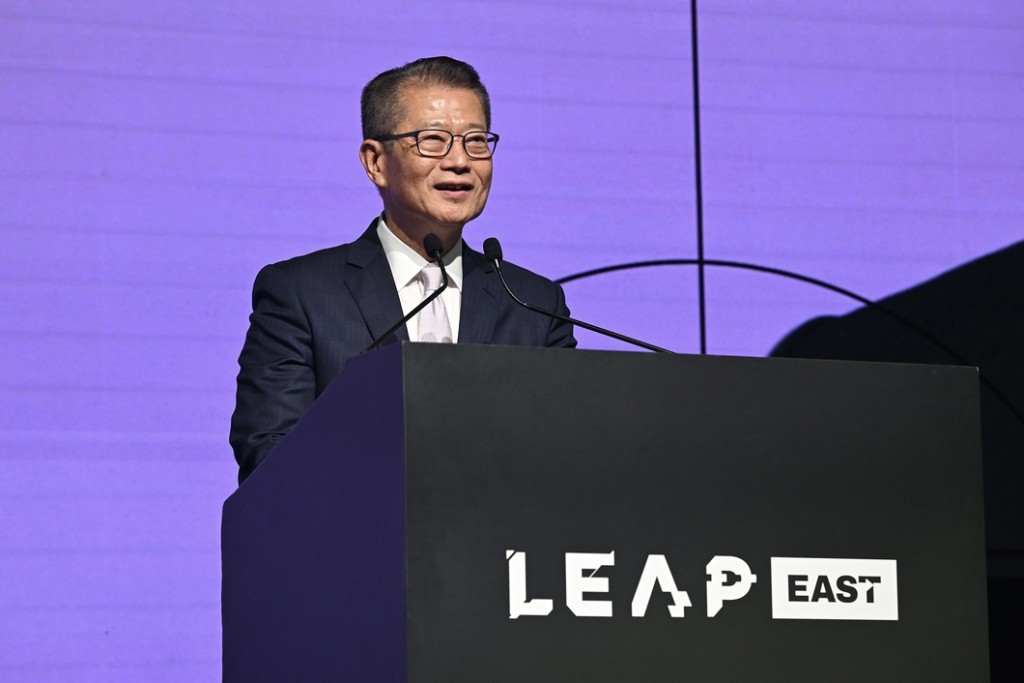
Hong Kong will continue to play its role in the Belt and Road initiatives, said Financial Secretary Paul Chan Mo-po, as the city is set to host the 10th edition of the Belt and Road Summit on Wednesday (Sep 10) and Thursday (Sep 11).
In his blog on Sunday (Sep 7), the financial chief noted the summit will bring together over 90 senior officials and business leaders from 18 Belt and Road partner countries and regions.
Discussions will focus on cooperation and vast opportunities in areas such as investment and financing, innovation and technology, infrastructure, maritime and logistics, as well as professional services.
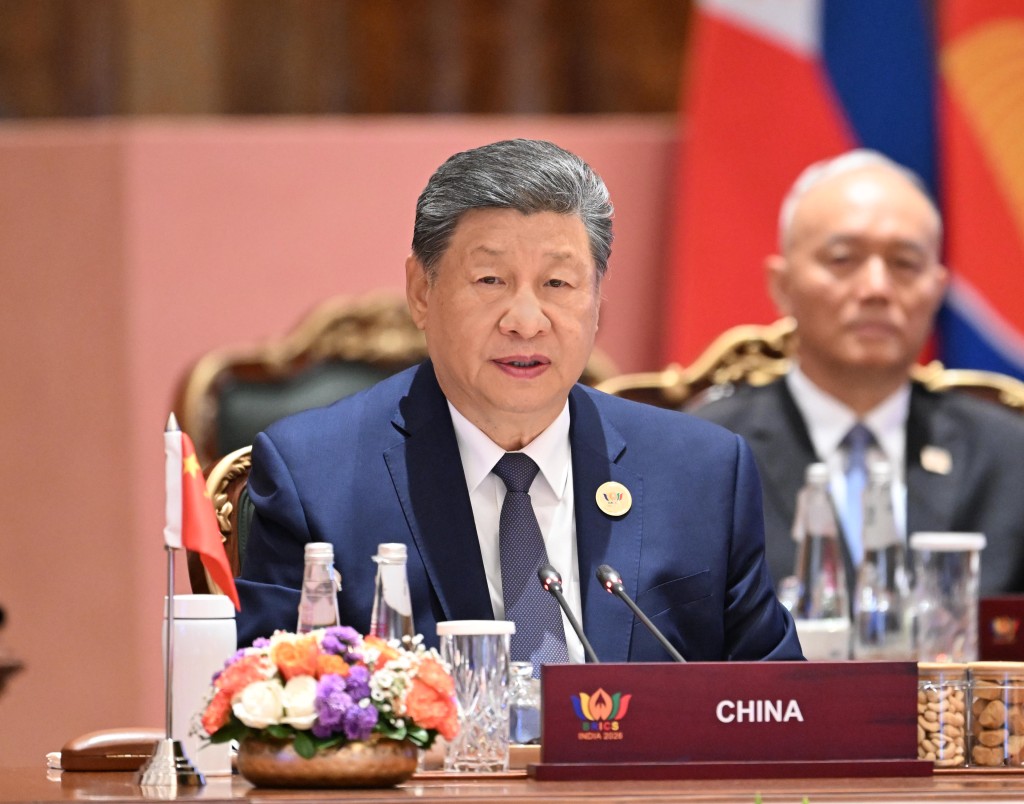
Chan also underscored Chinese President Xi Jinping's commitment to peaceful development and building a community with a shared future for humanity, which was advocated during the Victory Day commemoration.
He described Xi's advocacy as an "awakening" call amid current international geopolitical tensions, emphasizing Xi's focus on multilateralism rooted in mutual respect and equal participation.
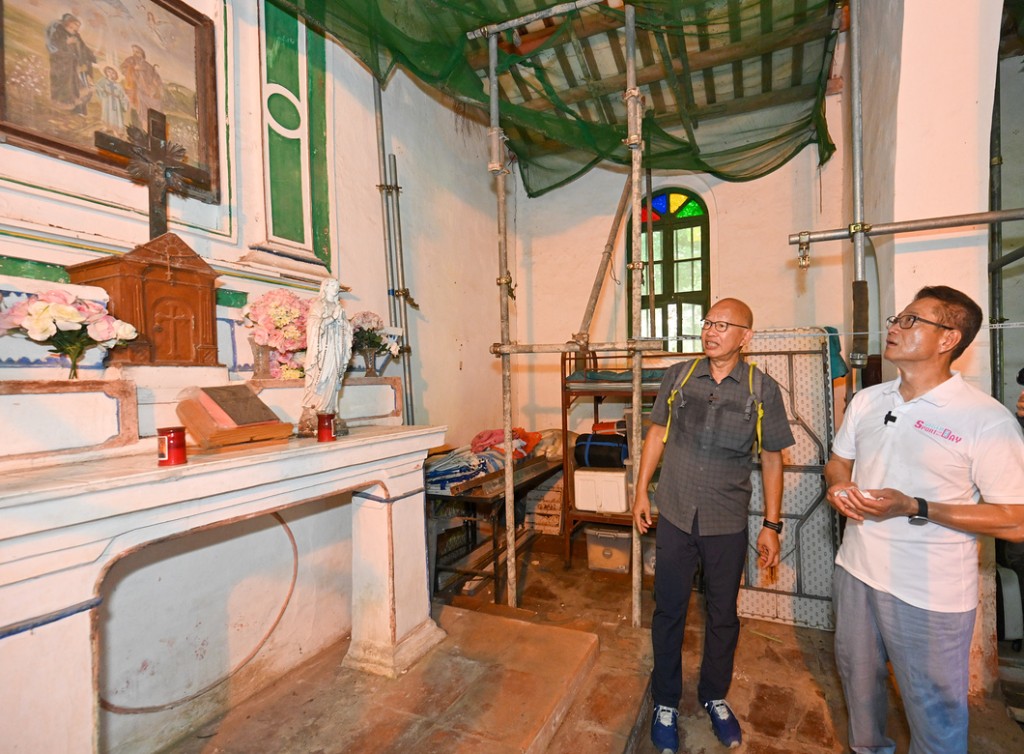
Meanwhile, Chan reflected on his visit to Grade II historic buildings in Sai Kung on Saturday, including the Holy Family Chapel and Tin Shui Lau Fong, both significant remnants of the War of Resistance.
He noted that the government has compiled information on over 40 local wartime sites to commemorate the East River Column's courageous resistance against Japanese forces in Hong Kong.
Restoration and environmental maintenance work have been carried out at multiple locations, with information signs and memorial monuments installed.
Separately, the Commissioner for Belt and Road Nicholas Ho Lik-chi stated that the Belt and Road Summit serves as a comprehensive overview of the annual work.
He highlighted that the funding threshold for current government-to-government cooperation projects has been lowered to a range of US$100 million to US$200 million, making it accessible for private enterprises to participate.
Ho further indicated that the SAR government intends to utilize projects as the primary catalyst to advance future initiatives and to facilitate the involvement of private enterprises and small to medium-sized enterprises (SMEs).