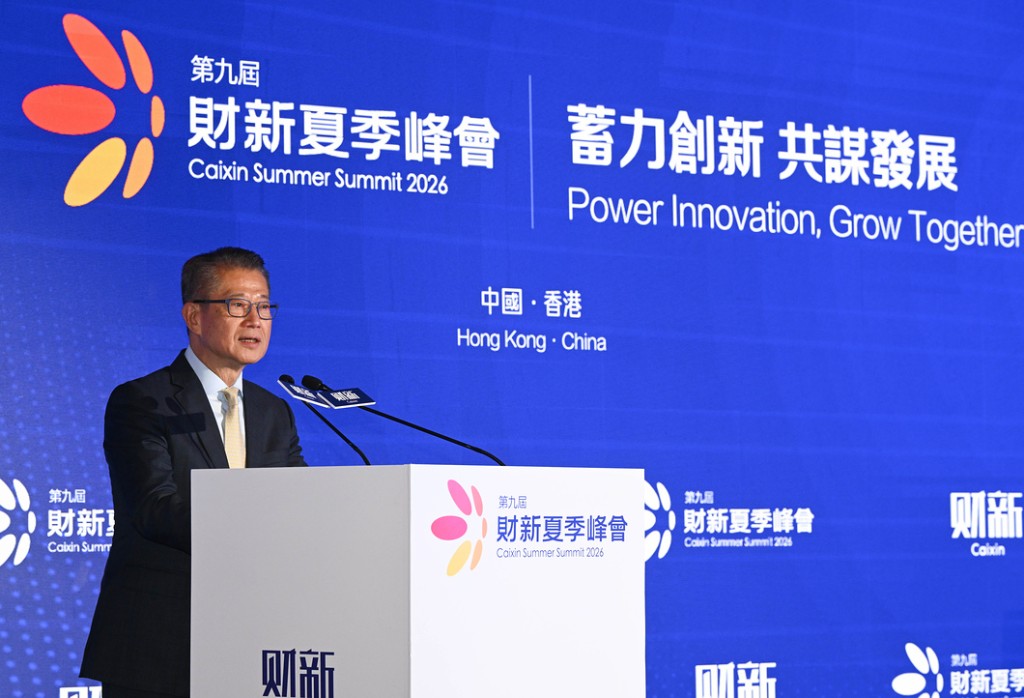
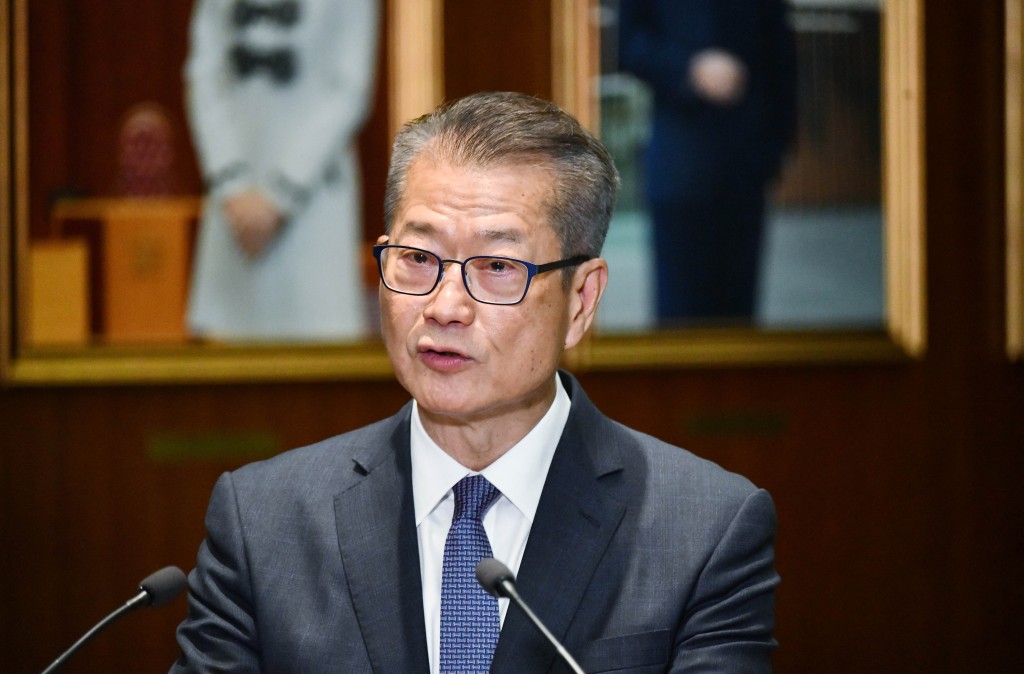
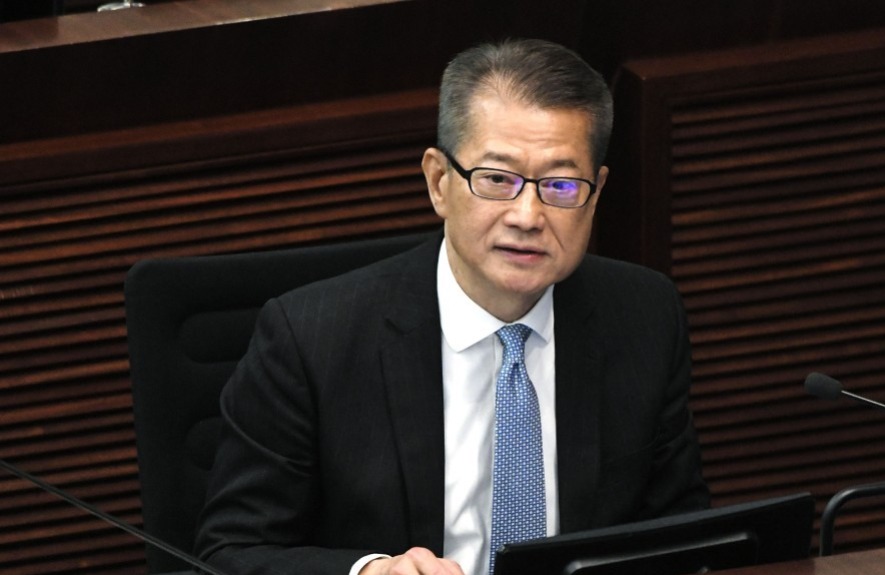
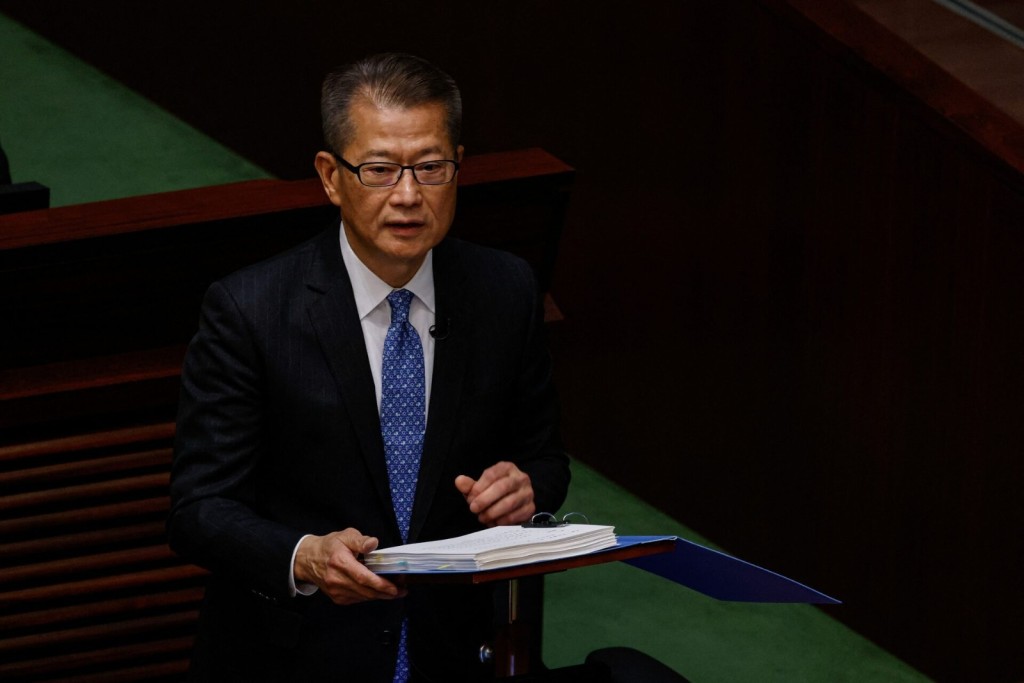
Financial Secretary Paul Chan Mo-po has expressed hopes for driving extensive community discussion ahead of a two-month public consultation launching on Monday for Hong Kong’s first Five-Year Plan, aiming to fully leverage the city’s competitive strengths.
In his weekly blog, Chan emphasized that the upcoming blueprint would inject stronger momentum into economic growth, facilitate wider application of technology, foster a more inclusive society, and bring residents more high-quality jobs and a better life.
“We look forward to further exchanges and discussions to inspire in-depth thinking and insightful views. By adapting measures to local conditions and changing times, we can fully bring out Hong Kong’s strengths and work together to accomplish great things,” he wrote.
Chan noted that China’s 15th Five-Year Plan has set the strategic direction for Hong Kong. The local consultation must focus on a practical execution, which involves finding concrete ways to combine the city’s unique advantages with measures to fix existing shortcomings, thereby maximizing development benefits.
He urged stakeholders to review past experiences while maintaining a broad vision to plan for the future.
Chan added that Hong Kong’s development has always benefited from the country’s long-term planning and continuous advancement, while also making unique contributions to the nation’s development.
He believed that the consultation should look beyond maintaining the current momentum in traditional pillars such as finance and trade. Instead, the focus should be on consolidating strengths, scaling up, and breaking new ground in markets and development spaces to create a fresh growth curve.
Economic transformation and industrial development will serve as critical tasks for the administration. He stressed that Hong Kong must speed up the development of the Northern Metropolis, which will act as the primary space for emerging and future industries.
Chan also raised several questions for discussion. He questioned how to encourage technology and capital to deeply root themselves in Hong Kong, scale up operations, and generate more high-quality jobs.
He asked how to optimize industrial spatial planning to cater to enterprises at all stages, from research and development and start-ups to mature expansion, and how to enhance public AI literacy so that people can use AI competently, willingly, and effectively.
He noted that addressing these issues requires views from industries, investors, research and development institutions, academia, and all stakeholders.