Read More







Pentagon designates Confucius Institutes in US a national security threat
24-10-2026 11:52 HKT

China's first AI film hits cinemas, but ticket sales lag
23-10-2026 17:32 HKT




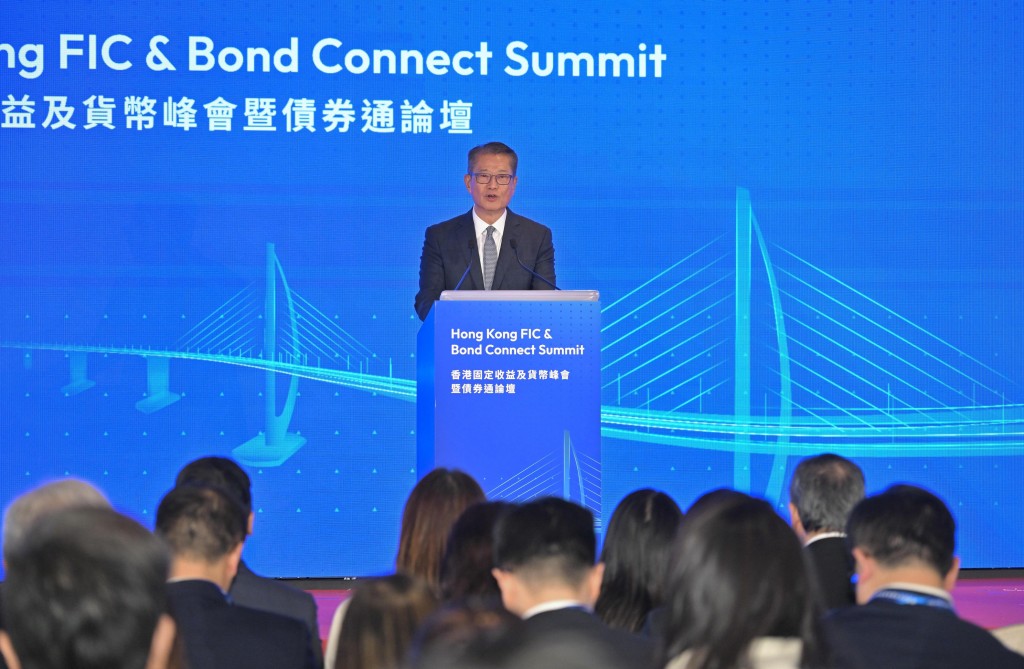
The Chinese yuan is not a substitute, but a complement to the US dollar and other established reserve currencies, said Financial Secretary Paul Chan Mo-po.
Speaking at the Hong Kong FIC & Bond Connect Summit on Tuesday, Chan said the wider use of different currencies is a natural response to a more multipolar global economy as countries and companies seek to reduce concentration risk.
The yuan’s internationalization is an important part of this evolution, given China's role as a major trading and industrial power, and the growing international appetite for Chinese financial assets, Chan said, adding that it does not mean the financial system is getting fragmented.
China accounts for around 12 percent of global merchandise trade, yet the yuan represents only about 4 percent of global trade settlement and just 2 percent of global central bank reserves, he said.
While the gap cannot be closed overnight, Chan believes that as market infrastructure deepens and more use cases develop, the Chinese currency can play a larger role in trade, investment and reserve management.
A more diversified currency system can still be an integrated one, provided that the channels of connectivity remain open, trusted and efficient, he said, adding that the same logic applies to new payment and settlement infrastructures.
Cross-border interbank payment systems, central bank digital currencies, stablecoins and other digital solutions should not be seen simply as alternatives to existing ones, Chan stressed.
The real question is whether they can make cross-border payments and settlement more open, interoperable, efficient and cheaper, he said.
For many emerging markets, particularly those with large remittance flows and SME trade, the practical needs are clear: lower cost, faster processing, greater transparency and less friction in cross-border transactions, Chan added.