Read More



Night Recap - March 30, 2026
2 hours ago


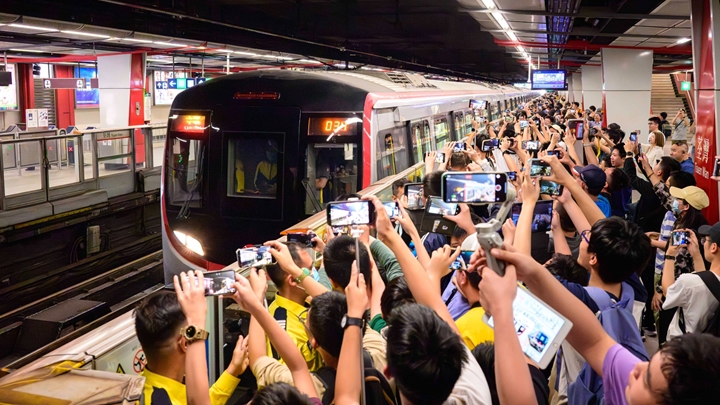
MTR launches first Q-train with new signaling system on Tsuen Wan Line
29-03-2026 17:41 HKT


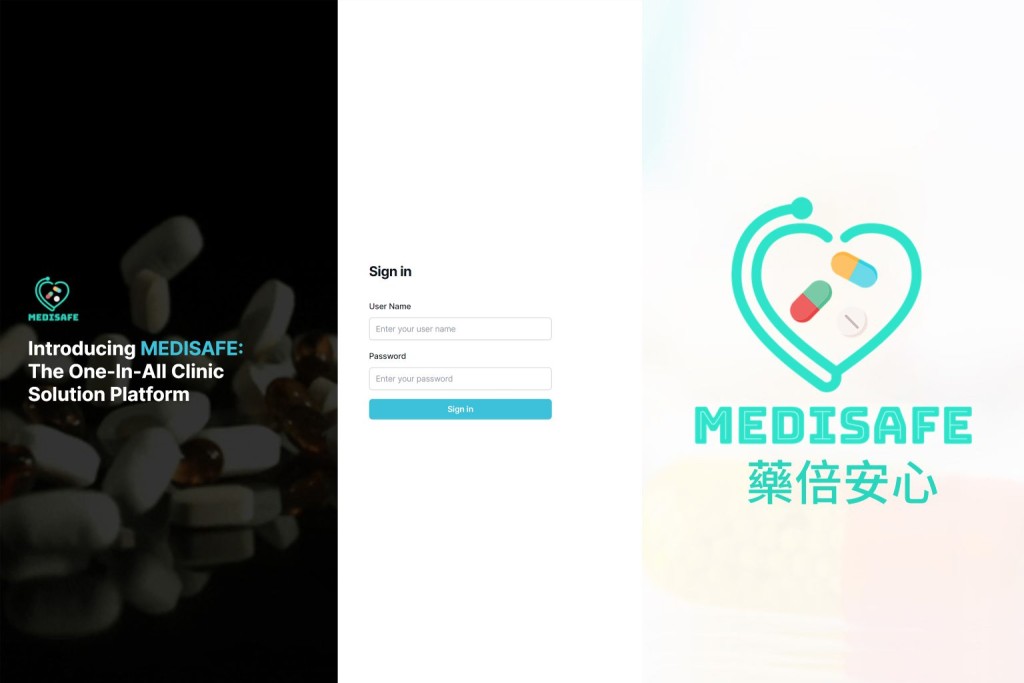
A Hong Kong secondary school student's artificial intelligence software project that won multiple international awards is now facing serious questions about its authenticity, prompting authorities to launch a comprehensive investigation into potential academic misconduct.
The student, who developed an AI-powered prescription checking software called "Medisafe," has been accused by online critics of outsourcing the development work to a US company rather than creating the technology independently.
The controversy has raised significant concerns about academic integrity in Hong Kong's competitive STEM education environment.
Medisafe is designed as an AI-powered web application that cross-checks medical prescriptions with patient data to detect potential drug prescription errors and enhance medication safety.
The software analyzes patients' allergy histories, long-term medication records, and clinical conditions such as liver and kidney function to automatically verify doctors' prescriptions.
The project garnered significant recognition, winning four awards at the 2024 Hong Kong Information and Communication Technology Awards, including the Student Innovation Grand Award. The software also earned recognition at the 50th Geneva International Exhibition of Inventions, where the student represented Hong Kong as part of an Education Bureau delegation.
Recent social media discussions have questioned whether the sophisticated technology could realistically be developed by a form 4 student. Critics pointed to evidence that the project's website had previously redirected to a US company specializing in AI development projects, raising suspicions about the software's true origins.
Investigation by Sing Tao Headline, The Standard’s sister publication, revealed that the American company claimed to have developed AI prescription software for a Hong Kong client in eight weeks, with the client's name bearing similarities to the "Hong Kong Hepatobiliary-Pancreatic & Colorectal Surgery Centre".
This discovery has intensified concerns about whether the student may have commissioned external developers to create the software.
The Digital Policy Office, which oversees the Hong Kong ICT Awards, responded swiftly to the allegations.
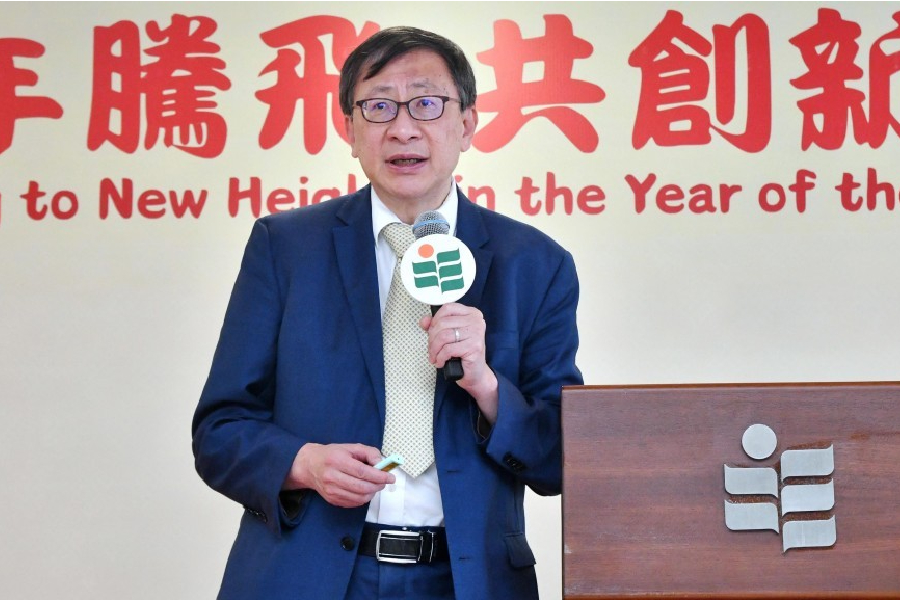
In a statement to media inquiries, the office confirmed it takes the controversy surrounding the 2024 competition entry "very seriously" and has immediately requested the organizing body, Hong Kong Education City, to work with its Standards Assurance Subcommittee to conduct a comprehensive investigation.
The Digital Policy Office noted that over the past five years, no participants in the Hong Kong ICT Awards have been disqualified for violating intellectual property regulations. However, the office emphasized that all participants must comply with the Personal Data (Privacy) Ordinance and related guidelines established by the Privacy Commissioner to ensure proper protection of personal data involved in their projects.
The Education Bureau, meanwhile, confirmed that the Hong Kong Academy for Gifted Education, funded by the bureau, commissioned the Hong Kong New Generation Cultural Association to arrange student selection and training for the 50th Geneva International Exhibition of Inventions.
The association maintains an evaluation mechanism for selecting student representatives for international competitions, holding a selection contest in December 2024 where expert judges chose five projects from 80 submissions, involving 11 students in total.
The relevant organizations are currently looking into the matter as the investigation proceeds, said the bureau.
(Marco Lam)