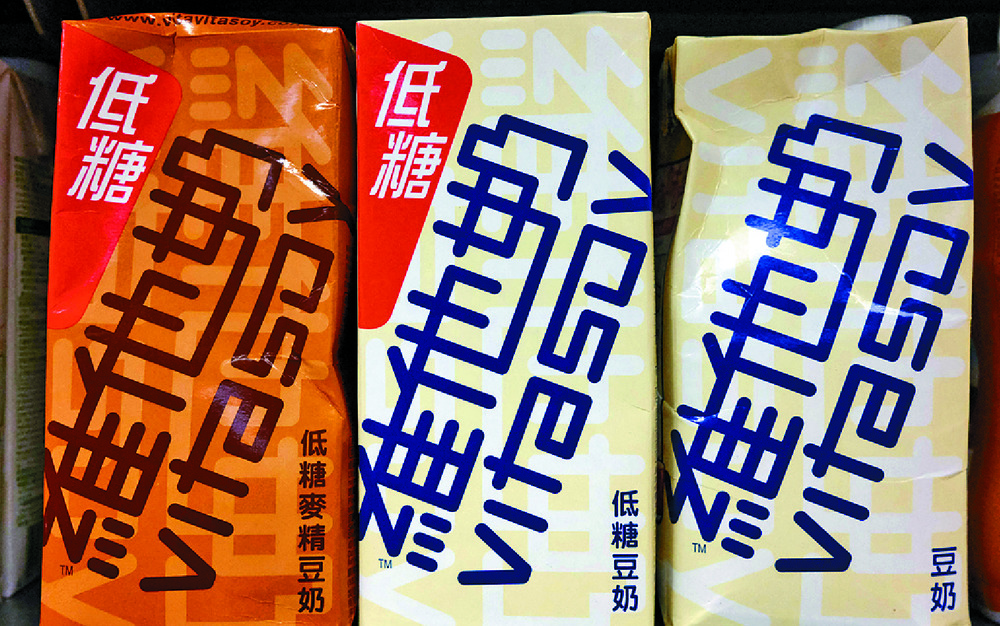
Things may be looking up for Hong Kong's beloved beverage maker Vitasoy International (0345), whose brand has long been synonymous with soy milk and lemon tea.
Its shares have more than doubled from their September lows, Singaporean billionaire Philip Ng Chee-tat has been pumping up his stake in the company in a vote of confidence for plant-based beverages, and the 84-year-old beverage producer's profits has been on the rise over the last two years despite challenges at home and across the border.
At HK$10.52, Vitasoy is 42 percent up so far this year, though way off its record high of HK$43.5 hit back in 2019.
Vitasoy has a market capitalization of HK$11.29 billion while Singaporean beverage maker Yeo Hiap Seng -- through which Philip Ng has been boosting his Vitasoy stake -- has a market cap of S$368.41 million (HK2.13 billion), five times less than Vitasoy's.
Now, amid Vitasoy's current upswing, analysts remain cautious.
Vitasoy has moved past its lowest point and shows potential for further recovery, says Everbright Securities International's securities strategist Kenny Ng Lai-yin.
He says the rebound in Hong Kong, its second-largest market, has helped pull Vitasoy off its recent lows, despite continued volatility in the mainland, its largest market.
The analyst, however, is neutral on its future performance as the recent strong rise in its stock price has made its valuation "less attractive."
Since October, Philip Ng has more than doubled his stake in Vitasoy to 11.04 percent, giving him the right to convene a shareholders' meeting.
Through his family office Kuang Ming Investments and Yeo Hiap Seng, the billionaire acquired 2 million shares on November 8 at an average price of HK$10.03 per share, for around HK$20.08 million. His stake was just 4.94 percent before his initial increase in October.
While Vitasoy's shares rose over 50 percent in October from this year's low of HK$4.47, it has only risen to around HK$10.52, despite Ng's acquisitions.
SINGAPORE STRATEGISTS
Philip Ng is the younger brother of Sino Land (0083) chairman Robert Ng Chee-siong.
The brothers control Singapore's largest private landlord and property developer, Far East Organization, with a fortune of US$14.4 billion (HK$112.32 billion), placing them second on this year's Forbes Singapore Richest List.
Philip Ng initially raised his Vitasoy holdings on October 7 from 4.9 to 5.2 percent, while Japan's Mitsubishi UFJ Financial, previously the second-largest shareholder, reduced its position down to 7.8 percent from 8.5 percent by selling 7.4 million shares on the same day.
Yeo Hiap Seng was founded in 1900 by Yeo Kenglian, a native of Fujian province, China, who began by making soy sauce. He immigrated to Singapore in 1935 and ventured into beverage business.
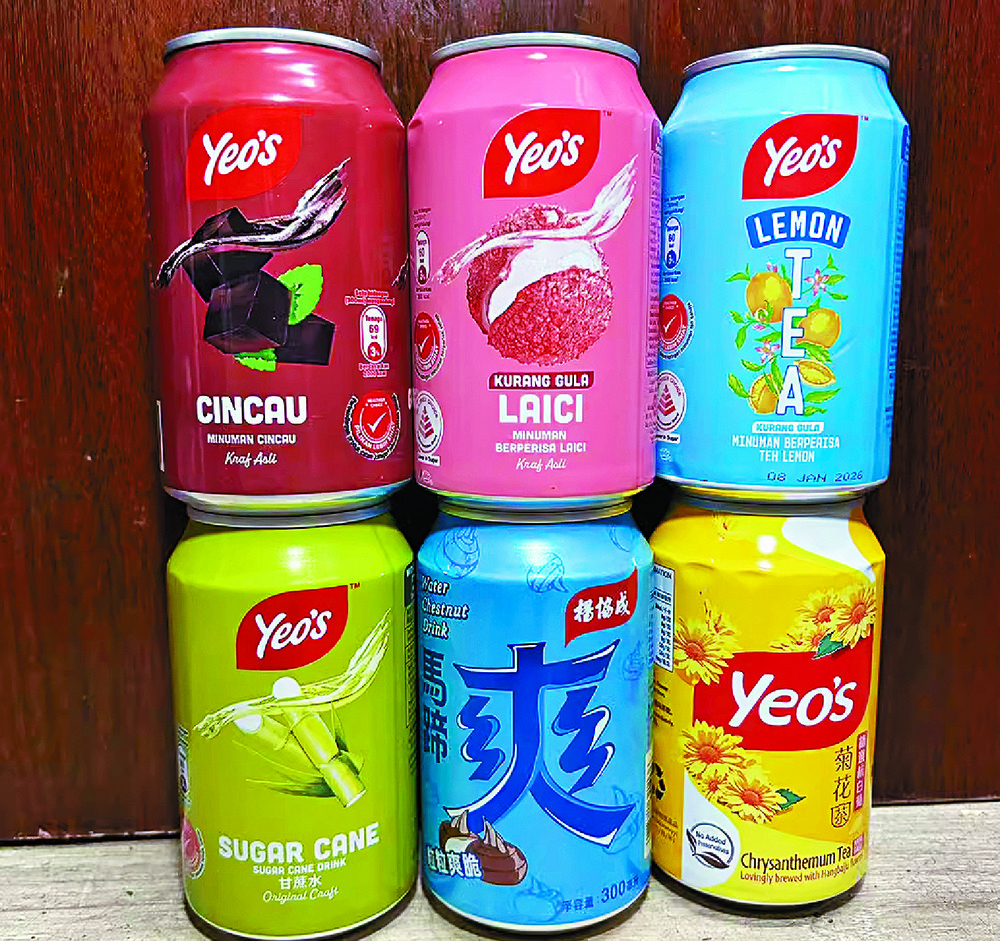
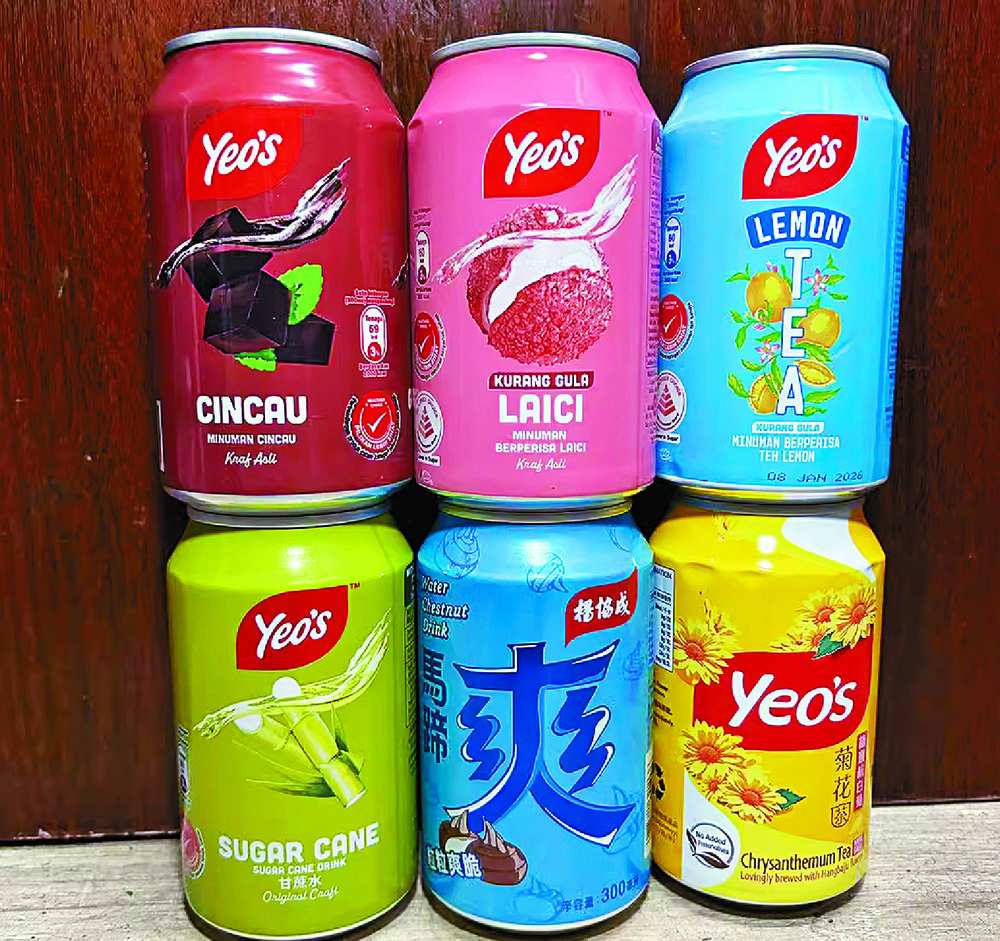
Also known as Yeo's, the Singapore-listed firm operates as an investment holding company and a drinks manufacturer. Its portfolio includes soy milk, chrysanthemum tea and other crafted drinks. Its core markets are Malaysia and Singapore, contributing 45 percent and 23 percent of its turnover, respectively, while China accounts for an eight percent share.
Acquired by Far East Organization in 1995, Yeo's is chaired by Daryl Ng Win-kong, Robert Ng's son. Yeo's, which now has a 5.1 percent stake in Vitasoy, said the purchase is part of a strategy to enhance investments in the plant-based beverage industry in the mainland and Hong Kong and "further investments will be considered in the future."
A FAMILY AFFAIR
Vitasoy was established in Hong Kong in 1940 by Lo Kwee-seong to offer ready-to-drink soy milk as a cheap and nutritious alternative to milk during a time when food was scarce.
In 1979, it launched Vita lemon tea, followed by the opening of its Tuen Mun headquarters in 1987.
Vitasoy is chaired by the founder's son, Winston Lo Yau-lai.
Lo, along with his family and trust interests, owns approximately 15.9 percent of Vitasoy.
Many of Lo's descendants, including former Cafe de Coral (0341) chief executive Peter Lo Tak-shing, also own Vitasoy shares.
The Lo family collectively holds a total of 278 million shares or a 25.9 percent stake in the beverage maker.
The Lo's founded three iconic local brands - Vitasoy, Cafe de Coral and Fairwood (0052), each led by Lo Kwee-seong, Victor Lo Tang-seong and Lo Fong-cheung respectively.
Now, Vitasoy is getting back on track after recording a net loss of HK$159 million in fiscal 2021-22, a sharp decline from a net profit of HK$548 million the previous year, due to the impact of the Covid pandemic and a crippling boycott.
Vitasoy reported a net profit of HK$116 million for the year ended March, up 155 percent from HK$46 million in the previous fiscal year 2022-23.
Revenue fell by 2 percent to HK$6.22 billion from HK$6.34 billion in previous year, due to depreciation in both the yuan and the Australian dollar.
The mainland accounted for 54 percent of its sales, followed by Hong Kong and Macau at 36 percent. The remaining 10 percent came from Australia, New Zealand and Singapore.
SPREADING ITS WINGS
Vitasoy first launched in Hong Kong, exporting to Australia, New Zealand and Southeast Asia, and only entered the mainland in the 1990s.
It went public in Hong Kong in 1994, the same year it launched its Shenzhen plant, first focusing on South China before expanding nationwide.
The mainland initially contributed only a small portion of sales until 2008, when a melamine-related crisis led many consumers to choose soy milk over dairy milk. That year, the mainland's share of sales increased to 20 percent, becoming the company's second-largest market after Hong Kong.
By 2015, revenues from the mainland outpaced that in Hong Kong and Vitasoy took the top spot in the mainland soy milk market in 2016 with a 41 percent market share.
However, this figure gradually declined with the entry of other major players in the mainland.
Dali Food, which delisted from Hong Kong in 2023, took the top spot with a 20.7 percent market share for soy milk by 2022, with Vitasoy in second place at 16.9 percent.
In 2016, Vitasoy embarked on a marketing blitz for its Vita lemon tea in the mainland where it gained significant traction on social media, leading to sellouts in stores and record sales of 46.3 million units in 2017, generating around 2 billion yuan (HK$2.18 billion) in revenue.
Still, even the strong demand for lemon tea failed to arrest slowing growth in the years that followed.
Its net profit plunged 23 percent to HK$536 million for the year ended March 2020, while revenue also fell by 4 percent to HK$7.23 billion. And while its net profit rose 4 percent to HK$548 million for the year ended March 2021, revenue growth in the mainland dropped from 39 percent to 8 percent between 2017-18 and 2020-21.
BOYCOTT BLUES
In July 2021, all hell broke loose after a Vitasoy worker sent around a memo offering condolences to the family of a colleague who stabbed a policeman in Hong Kong before killing himself. The leaked memo sparked a massive boycott in the mainland while sending its stock tumbling.
Vitasoy's products were removed from mainland stores and the topic "Get outof theMainland, Vitasoy" had some120 million readers on China's Twitter-like Weibo (9898). This culminated in Vitasoy chalking up first loss since going public, for fiscal 2021-22.
Analysts at the time feared that it would take Vitasoy at least three years to fully recover in the mainland.
Macquarie has kept its "outperform" rating on Vitasoy but reduced its target price by 27 percent to HK$6.9, also lowering earnings estimates for fiscal years 2025 to 2027 by more than 30 percent, respectively.
However, it expects Vitasoy's revenue for the first half of fiscal 2025 to grow by 2.2 percent , with operating profit up 9.3 percent, citing resilience in the Hong Kong market despite challenges in the beverage sector.
Analyst Ng, meanwhile, suggests keeping a close watch on whether the Singaporean tycoon will continue increasing his stake, as his buy-ins have had a "positive impact on the stock price."
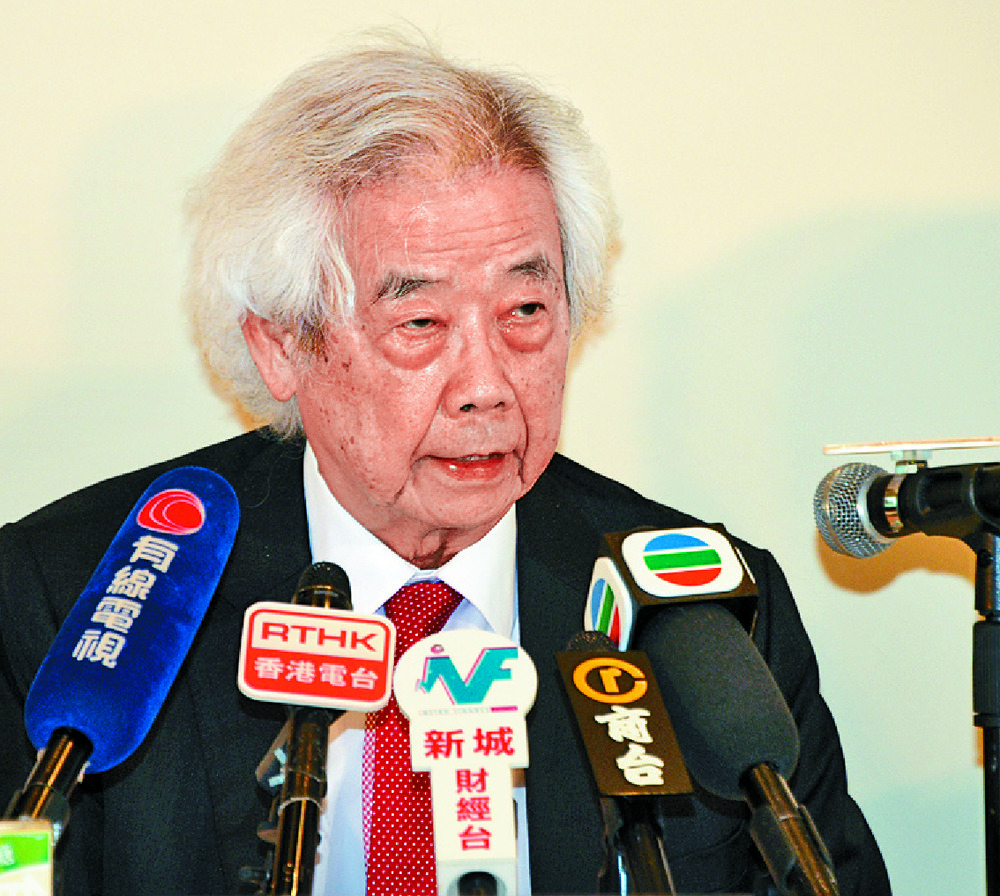
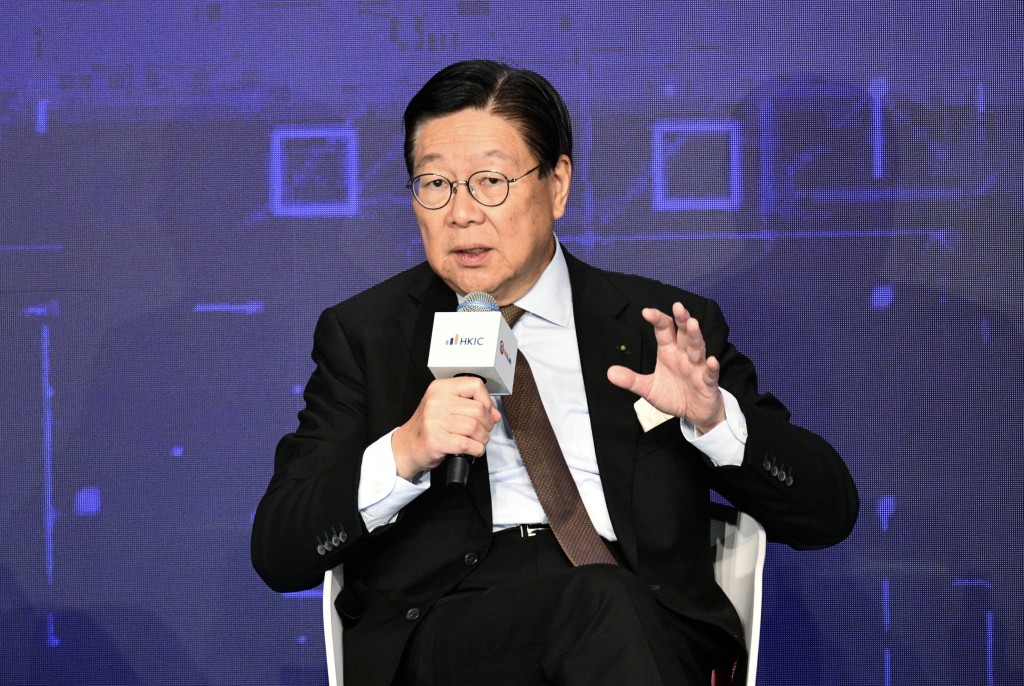
AT THE HELM: Winston Lo is the chairman of Hong Kong’s beverage giant which created the city’s beloved soy milk.