Read More


Hong Kong CPI rises 1.7pc in April
11 hours ago

CK Hutchison: No plan to sell PARKnSHOP
12 hours ago

ImmD crackdown targets moonlighting domestic helpers arresting 17
19-05-2026 17:52 HKT


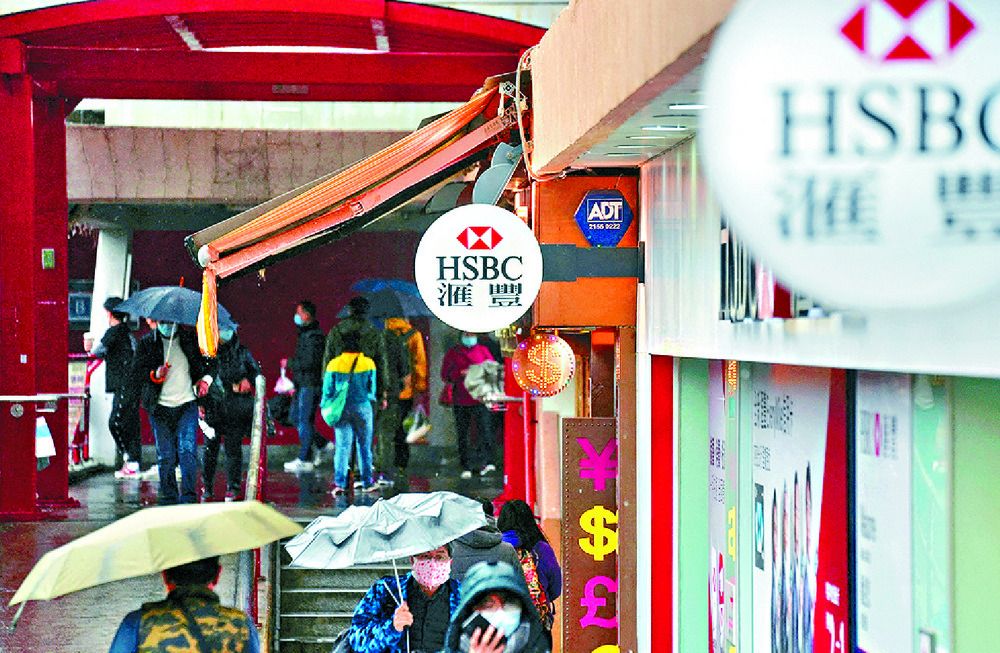
Greater Bay Area residents plan to allocate about 710,000 yuan (HK$781,359) on average following the expansion of the cross-boundary Wealth Management Connect scheme which came into effect yesterday, far lower than the new individual investment quota of 3 million yuan, a survey has found.
The survey shows that about two-thirds of respondents indicated that the latest enhancements to the scheme - including a relaxed entry threshold, extended investment options and expanded individual investment quota - are the drivers for them to start investing or boost their existing investments.
Some 24 percent of current investors or those interested in the scheme intend to invest 1 million yuan or above in the next 12 months, the survey revealed, with energy, technology, natural resources, biotechnology and finance ranking among the most preferred sectors for investment.
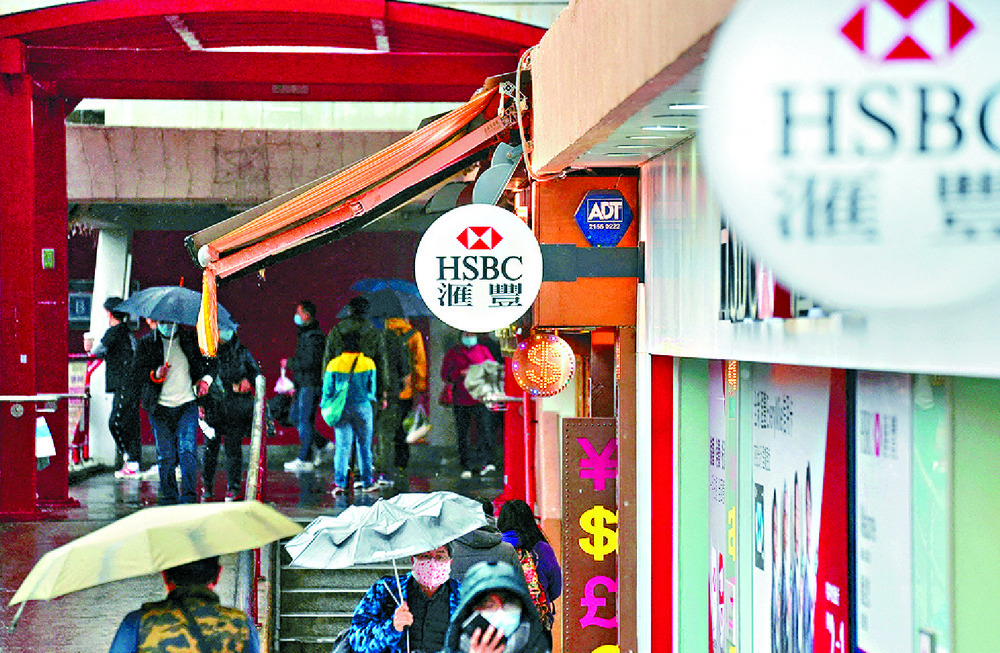
HSBC and its mainland partner bank have increased its wealth management products under the scheme to more than 400, including over 100 mutual funds investing in Asia or global markets.Meanwhile, Standard Chartered Hong Kong said the number of its wealth management products for mainland investors has surged to nearly 550.
Bank of China (Hong Kong) (2388) noted its available products jumped by 60 percent to nearly 300 following the expansion of the scheme.Earlier, Hang Seng Bank (0011) and its mainland unit said they would expand their products to over 320 for GBA residents. The increased number of products marks a 100 percent growth since the scheme first rolled out in 2021.
China Citic Bank International said the number of funds offered by the bank to its mainland clients nearly doubled to about 260 compared to the scheme's initial launch in 2021.Dah Sing Bank (2356) said more than 100 new funds will be added to its eligible fund categories for mainland investors.
As of January, the scheme saw 46,000 investors from Hong Kong and Macau, alongside 25,000 from the mainland, according to data from the Guangdong Province branch of China's central bank.