Governments should open a new front in the international clampdown on tax evasion with a global minimum tax on billionaires, which could raise US$250 billion (HK$1.95 trillion) annually, the EU Tax Observatory said yesterday.
If levied, the sum would be equivalent to only 2 percent of the nearly US$13 trillion in wealth owned by the 2,700 billionaires globally, the research group hosted at the Paris School of Economics said.
Currently, billionaires' effective personal tax is often far less than what other taxpayers of more modest means pay because they can park wealth in shell companies sheltering them from income tax, the group said in its 2024 Global Tax Evasion Report.
"In our view, this is difficult to justify because it risks undermining the sustainability of tax systems and the social acceptability of taxation," the observatory's director Gabriel Zucman told journalists.
Billionaires' personal tax in the US is estimated to be close to 0.5 percent and as low as zero in otherwise high-tax France, the Observatory estimated.
Growing wealth inequality in some countries is fuelling calls for the richest citizens to bear more of the tax burden as public finances struggle to cope with aging populations, huge financing needs for climate transition and legacy Covid debt.
Though a coordinated international push to tax billionaires could take years, the Observatory pointed to the example of governments' success in all but ending bank secrecy and reducing opportunities for multinationals to shift profits to low-tax countries.
The 2018 launch of the automatic sharing of account information has reduced the amount of wealth held in offshore tax havens by a factor of three, the observatory estimated.
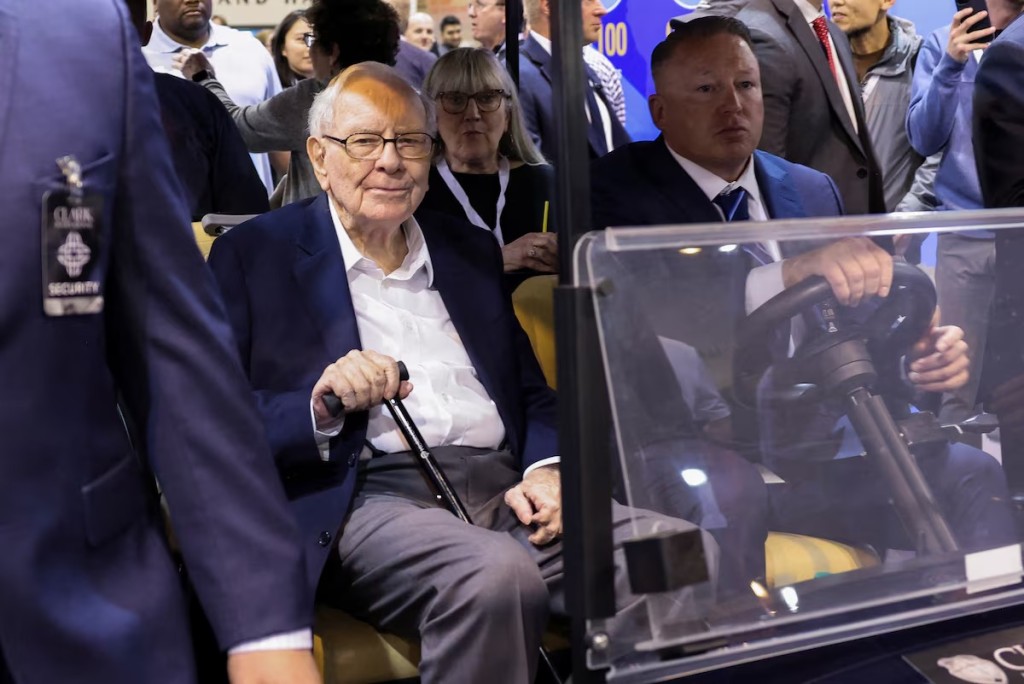
Billionaires in the US pay under 0.5 percent personal tax. AFP