Read More

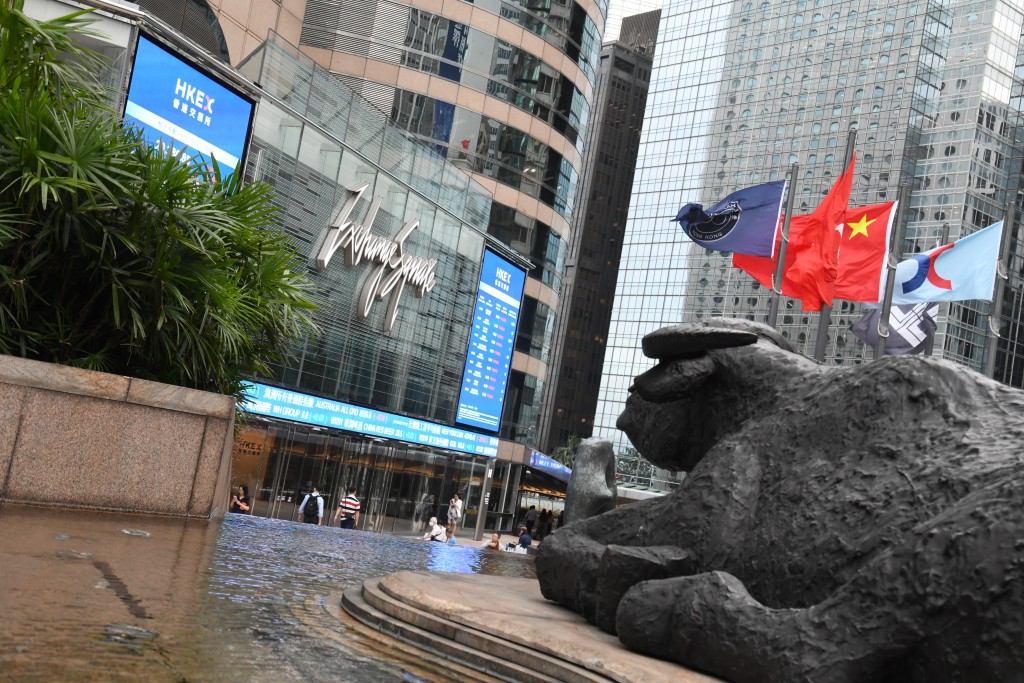
Hang Seng Index rises on Friday on China's strong export data
07-08-2026 16:57 HKT








John Lee and CY Leung lead pallbearers for Tung Chee-hwa
20-09-2026 15:54 HKT



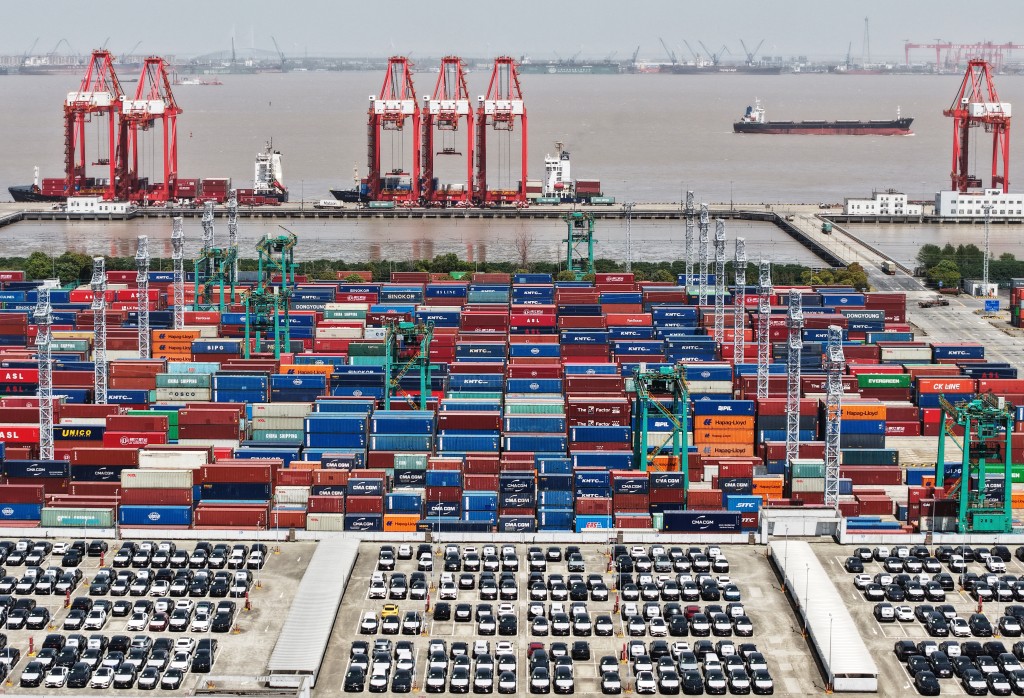
China's exports beat expectations in July, remaining a key pillar of economic growth for the manufacturing powerhouse, as the global AI infrastructure buildout continued to power demand for high-tech goods.
The world's second-largest economy has been relying on external demand to sustain growth amid tepid domestic consumption and an investment downturn, but that reliance also exposes risks, as trading partners may step up protectionism in an uncertain global environment due to the Iran war.
China's exports expanded 23.9 percent year-on-year in US dollar value terms in July, customs data showed on Friday, slowing from a 27 percent surge the previous month and compared with a 22.2 percent rise forecast in a Reuters poll.
Imports were up 27.5 percent from July last year, slowing from the 36 percent jump in June and were in line with an expected 27.9 percent gain.
Exports of semiconductors almost doubled in value terms from last year, and overall high-tech products exports expanded 40.7 percent, customs data showed. Those of ceramics slumped 28.3 percent, in a further sign of the economy's uneven development where advanced manufacturers ride the AI boom but more traditional industries struggle due to limited demand.
In a meeting late last month, China's top decision-makers called for a faster transition from old growth drivers to new ones, signalling priority on high-tech sectors.
China's economy grew 4.7 percent in the first half of 2026, keeping it broadly on track to meet Beijing's official full-year growth target of 4.5 to 5 percent, but growth slowed to 4.3 percent in the second quarter as weak consumption and investment clouded strong manufacturing and exports.
The trade surplus narrowed to US$112.5 billion from US$125.62 billion in June.
Chinese officials have repeatedly pledged to expand imports and promote balanced trade, yet the country's trade surplus, on track to top US$1 trillion for a second year, continued to unnerve trading partners concerned about disruptions to their own domestic industries.
The European Union has been weighing tougher measures to curb its trade deficit with China, while Beijing's ties with Washington have shown signs of strain as they hit each other with trade restrictions and other measures ahead of an expected leaders' summit in September.
With exports booming and factories humming, policymakers may feel more comfortable delaying policies to boost household income and strengthen social security systems to address entrenched weakness in domestic demand.
China's imports of natural gas dipped 3 percent in the first seven months of the year, while those of crude oil dropped 13.2 percent, customs data showed.
Macquarie analysts said Beijing's policy support for domestic consumption and the property market would remain restrained as long as exports and manufacturing could help the economy achieve policymakers' annual growth target.
Reuters