China's mainland tax authorities have begun levying taxes on insurance policy income earned offshore, according to four people with direct knowledge of the matter, sending Hong Kong-listed shares of major insurers, led by Prudential (2378) and AIA Group (1299), sharply lower on Thursday.
Beijing and Hangzhou authorities have started to apply personal income tax rates of 20 percent on returns from Hong Kong insurance policies, including dividend payouts and interest earned on prepaid premiums, three of the sources, who could not be named discussing confidential information, told Reuters.
The Hong Kong Insurance Authority said such rules had long been in existence but did not say if their application was changing in any way.
"The requirement for Mainland residents to declare and pay taxes on overseas investment income according to the law has always existed," the Hong Kong Insurance Authority said in an emailed statement to Reuters, without further explanation.
The regulator added that Hong Kong's mature insurance market remains attractive to mainland clients.
Yet the tax move, dealing another blow to Hong Kong's status as a major financial hub for Chinese overseas wealth, was seen by analysts as a potential sharpening of China's scrutiny of offshore investments.
MAJOR SHARE OF BUSINESS
China's finance ministry, the National Financial Regulatory Administration and the State Taxation Administration have not responded to Reuters' requests for comment. Chinese business publication Caixin was first to report the new taxes on Wednesday.
The overseas-based insurers earn a major share of their business from mainland Chinese customers, and the tax news sparked fears that sales of insurance policies and other financial products could slow.
AIA declined to comment. Prudential, HSBC (0005), Standard Chartered (2888), Manulife Financial, Hong Kong-based insurer FWD Group (1828) and China Life Insurance (2628) did not immediately respond to emailed requests for comment.
AIA shares slid 6 percent, Prudential fell more than 5 percent following a 13 percent slide in its UK-listed shares, and FWD was down 5.6 percent. China Life Insurance shares fell 0.8 percent as it has a sizable offshore business with Hong Kong assets.
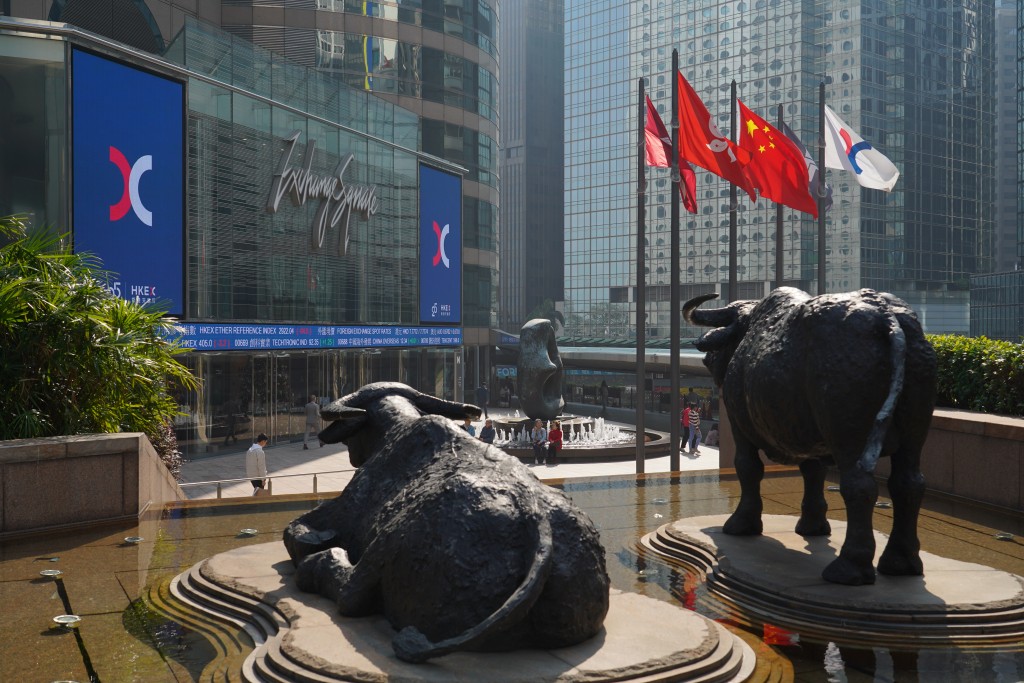
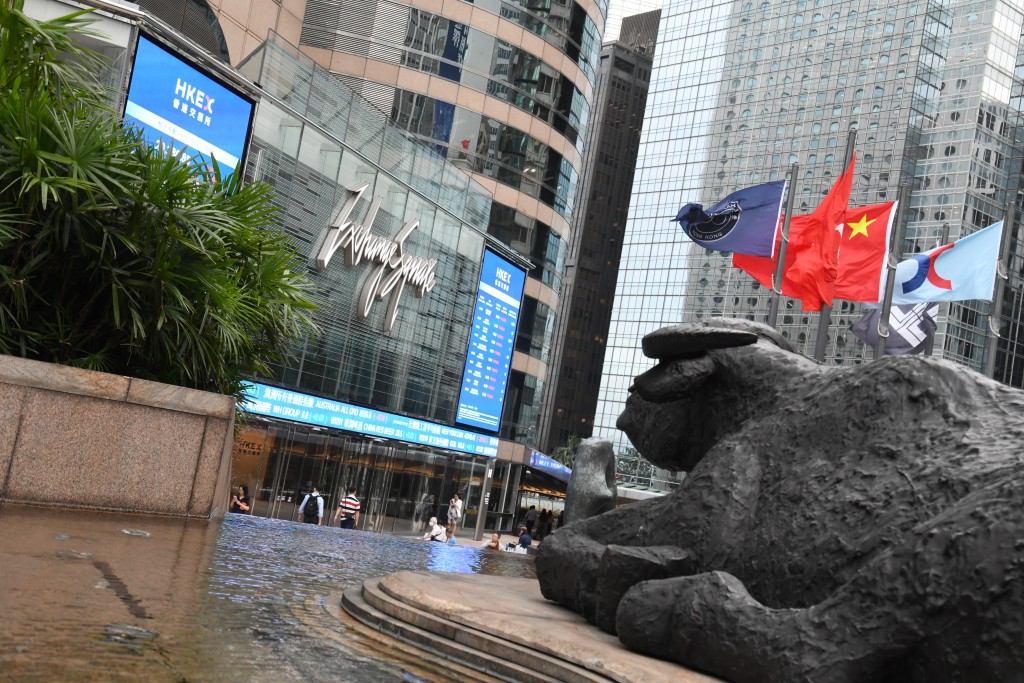
Both Hong Kong's Hang Seng Index and Hang Seng Finance Index were down 1.5 percent.
Hong Kong insurance has long been a channel for Chinese investors buying assets abroad, with the policies providing more protection than what is available on the mainland, and related savings and investment products mostly denominated in dollars. A drop in domestic bond yields has dragged down onshore insurance returns, which further fueled demand for offshore products in recent years.
HSBC's Hong Kong-listed shares fell 1.23 percent and Standard Chartered shares were flat. Both have large insurance units.
TAX CLARITY NEEDED
Mainland Chinese authorities have escalated scrutiny of offshore investments in recent months, which analysts say could weigh on money flows to Hong Kong.
Wealth managers, insurers and banks in Hong Kong have long benefited from that flow of capital. Total deposits from mainland entities have risen about 50 percent since 2023 to US$237 billion, according to a Gavekal Dragonomics report.
Hong Kong was Prudential's largest profit contributor in 2025. In its annual results in March, it attributed its 12 percent growth in new business profit in the financial hub to sales growth across both domestic customers and visitors from mainland China.
While insurance company shareholders were nervous about the impact of a new tax, it would be less of a threat than a total ban on buying offshore insurance, analysts said.
The key factors underpinning demand for Hong Kong insurance, including the drive for asset diversification offshore and multi-currency flexibility, remained intact, Citi analysts said in a client note.
"We view the current sell-off is more panic-driven and overdone," they said.
Jefferies analysts said tax changes could reduce the appeal of Hong Kong insurance products relative to domestic ones, but could also ease fears that Beijing may eventually ban offshore insurance sales outright.
Asked about the tax measure, Phil Witherington, CEO of Canada's Manulife, told Reuters in a post-earnings interview on Wednesday: "The enforcement of tax rules for individuals holding international assets is something that we see in multiple jurisdictions." He added it was too early for a full impact assessment but he believes the move "bodes well for the long-term growth of the industry".
China's increased monitoring of overseas investments also comes as it wants to bolster its domestic capital markets and companies.
Until there is greater clarity on whether regulators plan to impose a broad-ranging tax on insurance income, there is likely to be a "share price overhang" for the listed insurers, Goldman Sachs analysts said.
Reuters