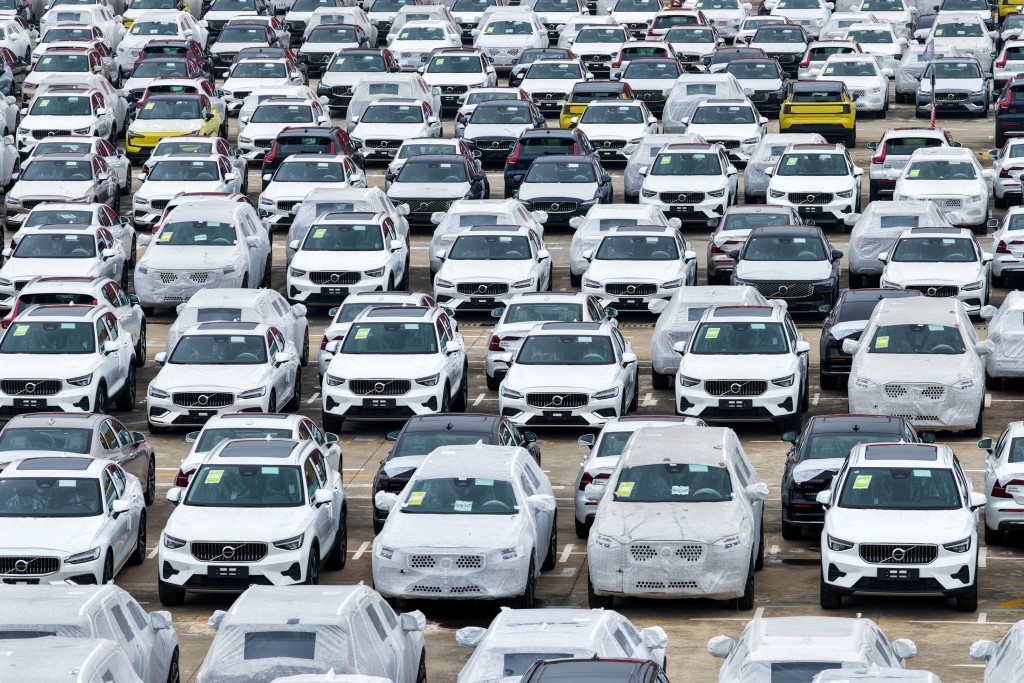
Car sales in China fell for a ninth consecutive month in June, as automakers increasingly turn to export markets to cushion the impact of sluggish local demand.
Domestic passenger vehicle sales fell 23.4 percent from a year earlier to 1.62 million units last month, following a 22.3 percent decline in May, data from the China Passenger Car Association showed on Wednesday.
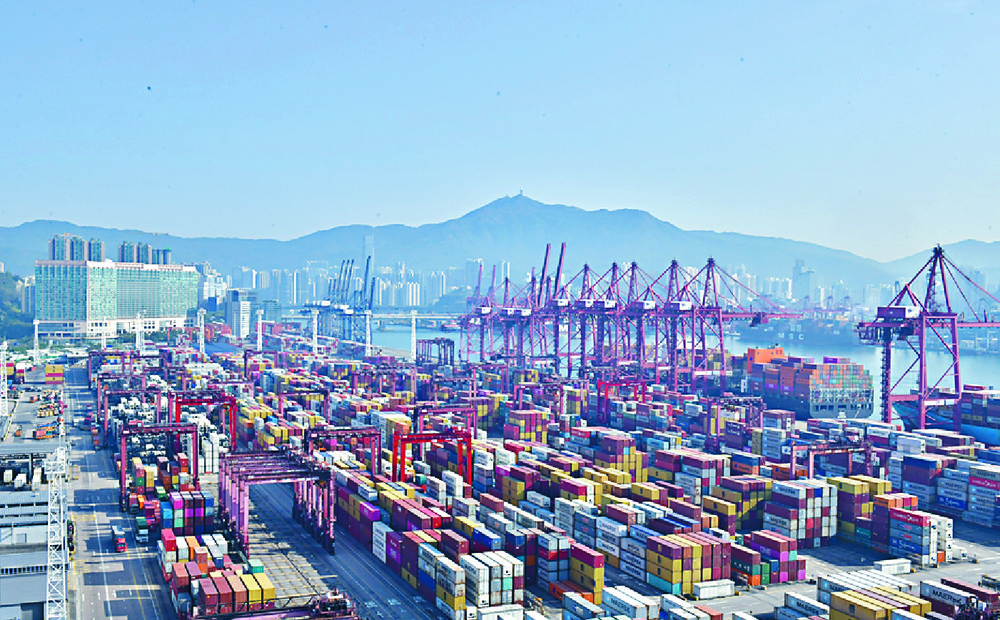
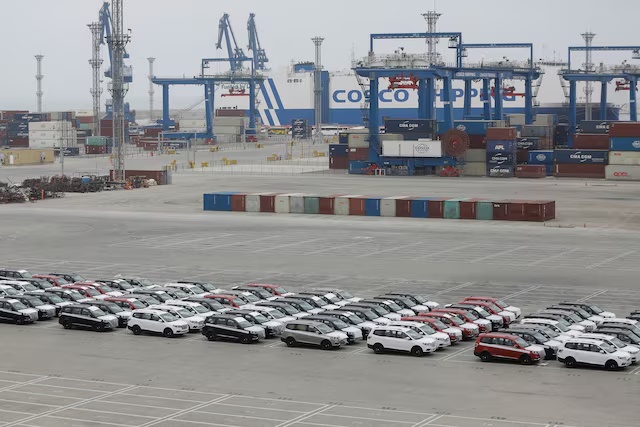
Car exports jumped 82.1 percent to 882,000 vehicles last month.
First-half domestic sales were down 20.4 percent to 8.8 million vehicles, while car exports rose 70.6 percent to 4.28 million.
The run of sales declines in China reflects tightened household spending in a sputtering economy, where uneven growth has weighed on price-sensitive consumers the most.
With reduced government subsidies particularly for budget cars, sales of gasoline and electrified models priced under 80,000 yuan (US$11,776) saw falls of 34 percent and 43 percent, respectively, in the first five months of the year, according to data from the China Association of Automobile Manufacturers.
The premium car segment has been expanding, however, with 70 percent of new car sales this year coming from buyers seeking to upgrade old gasoline vehicles to new models equipped with advanced features such as air suspension, said Wang Xianbin, vice president at Gasgoo Research Institute.
The trend has largely benefited emerging Chinese premium brands such as Nio, while traditional German marques have struggled, Wang said.
"Chinese consumers are no longer buying into German quality and German-styled luxury," Wang said.
Mass-market brands including Volkswagen, General Motors, Toyota, Honda and Nissan have lost market share to Chinese rivals amid an industry transition towards smart electric vehicles.
Amid cut-throat competition, automakers including foreign companies' joint ventures with Chinese partners have stepped up efforts to expand abroad, particularly in Europe, Southeast Asia, Latin America and the Middle East.
Chinese EV giant BYD, close to making a decision on its second European auto plant, has relied on strong exports to offset slowing sales at home.
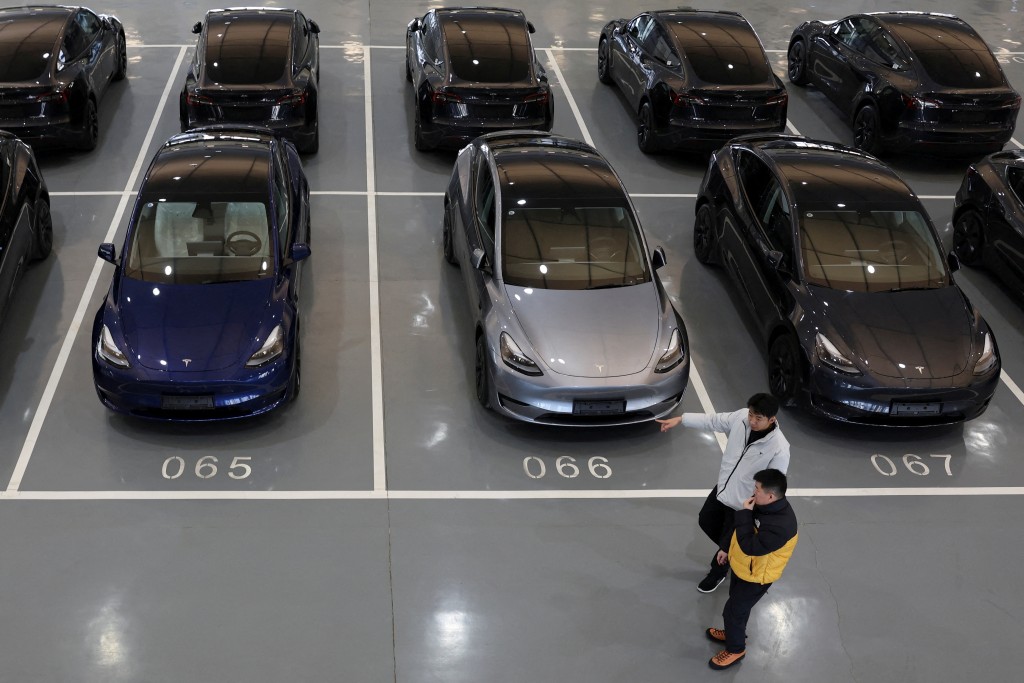
Tesla has been an exception among foreign brands, with its Chinese sales largely stable in the first half and its Model Y still the best-selling SUV.
Reuters