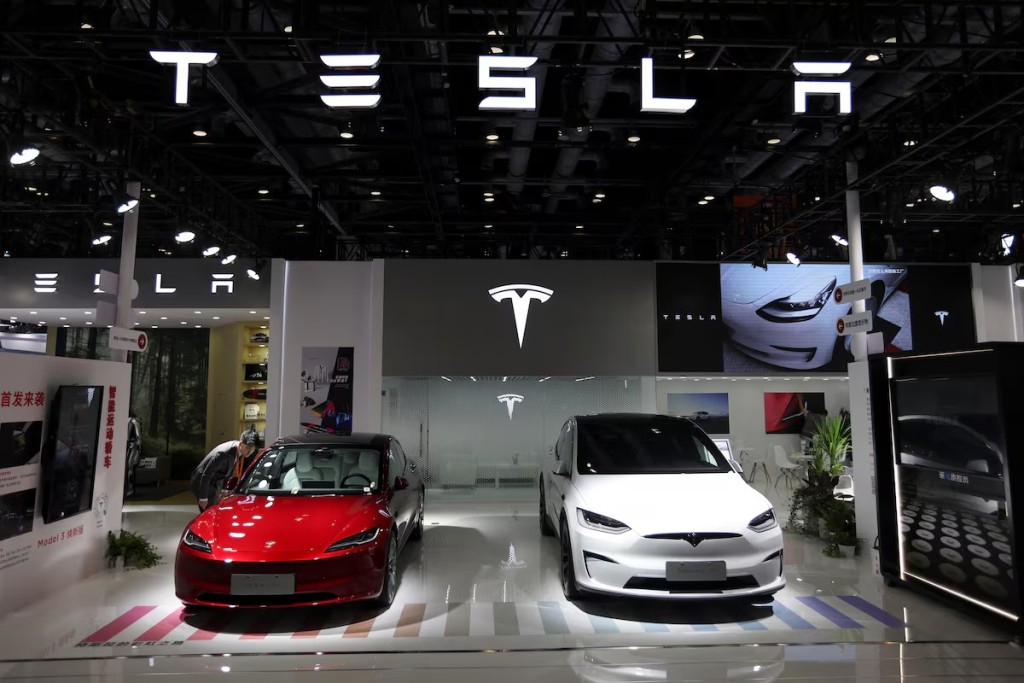
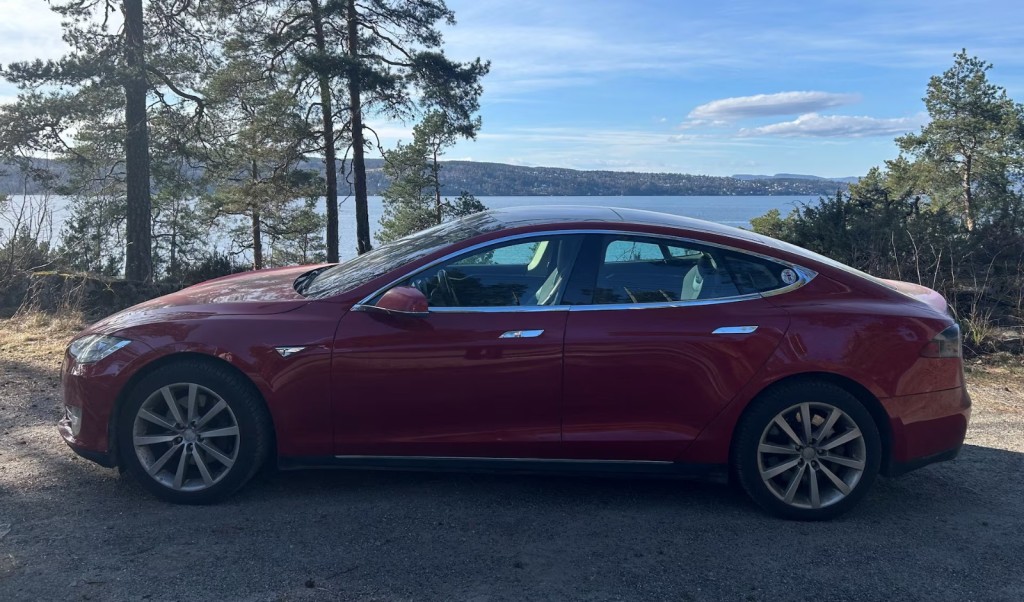
Tesla posted record second-quarter deliveries on Thursday that beat Wall Street estimates, as a demand rebound in Europe more than offset continued weakness in North America.
The stronger-than-expected deliveries suggest Tesla's core vehicle business is regaining momentum after two years of decline, easing concerns about the segment that still generates most of the company's revenue.
Investors have, however, increasingly looked past vehicle sales, betting instead on Tesla's long-term ambitions in autonomous driving and artificial intelligence.
The company delivered 480,126 vehicles in the April-June period, a record for the second quarter and up about 25 percent from a year earlier, easily surpassing analysts' average estimate of 402,776 vehicles, according to Visible Alpha data.
Tesla produced 451,758 vehicles during the quarter. The deliveries exceeded production by more than 28,000 vehicles, leading the company to draw down inventory that it built up during the first quarter.
Shares of the Austin, Texas-based company were up less than 1 percent in premarket trading. The company said it will report quarterly results on July 22 after markets close.
The recovery was driven by improving demand in Europe, where Tesla saw a rebound in demand in several key markets after a sharp slump last year that analysts partly attributed to brand damage from CEO Elon Musk's political activities.
Demand in the United States has also shown signs of stabilizing after a sharp drop following the expiry of the US$7,500 (HK$60,840) federal EV tax credit at the end of September.
Tesla has continued rolling out its Full Self-Driving (FSD) advanced driver assistance software in Europe, although it is available in only a handful of countries. Analysts expect broader availability over the coming months to support demand.
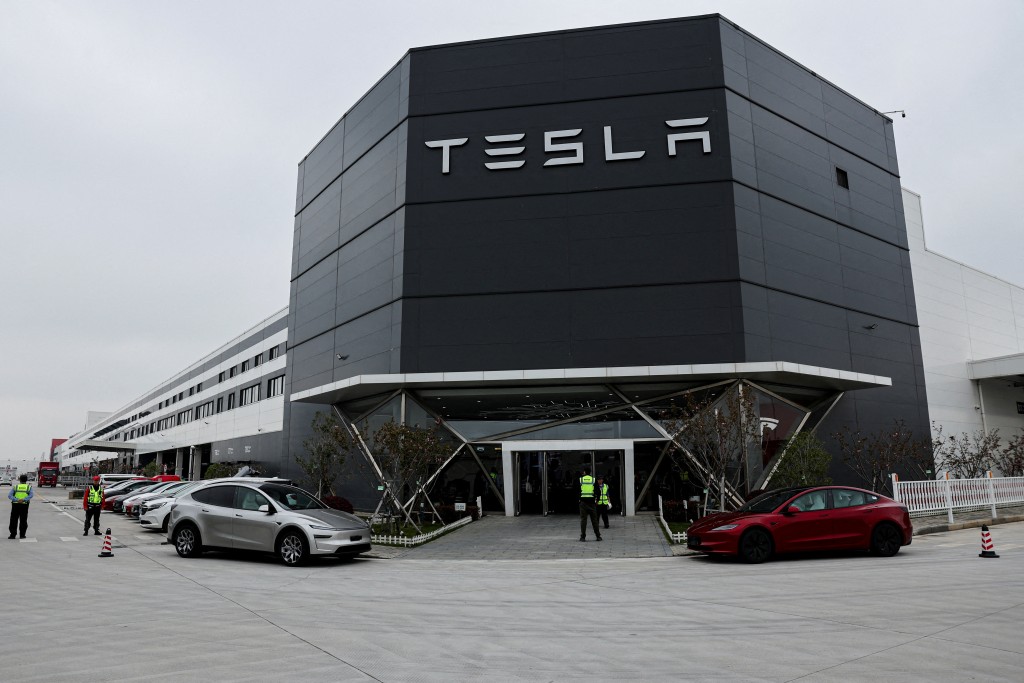
Tesla's China-made EV sales have risen this year, helped by production of refreshed Model Y, despite intense competition from BYD (1211) and other domestic automakers.
Wall Street has increasingly looked past quarterly delivery figures as Musk shifts Tesla's focus toward artificial intelligence, autonomous driving, humanoid robots and energy infrastructure.
Tesla expanded its robotaxi operations after launching a limited commercial service in Austin in June. Musk has said the company intends to rapidly expand the service through 2026.
Production of the Cybercab, Tesla's purpose-built autonomous vehicle without pedals or a steering wheel, is expected to ramp up later this year.
Wall Street has increasingly looked beyond vehicle deliveries, focusing instead on Tesla's AI, robotics and autonomous driving ambitions.
Tesla's valuation of roughly US$1.6 trillion depends heavily on those long-term businesses even though vehicle sales remain its largest source of revenue.
Reuters