Read More






Trump launches committee to probe Fed's Lisa Cook, White House says
09-10-2026 22:56 HKT

Jiangsu Slender West Lake Culture and Tourism clears HK listing hearing
07-10-2026 16:01 HKT



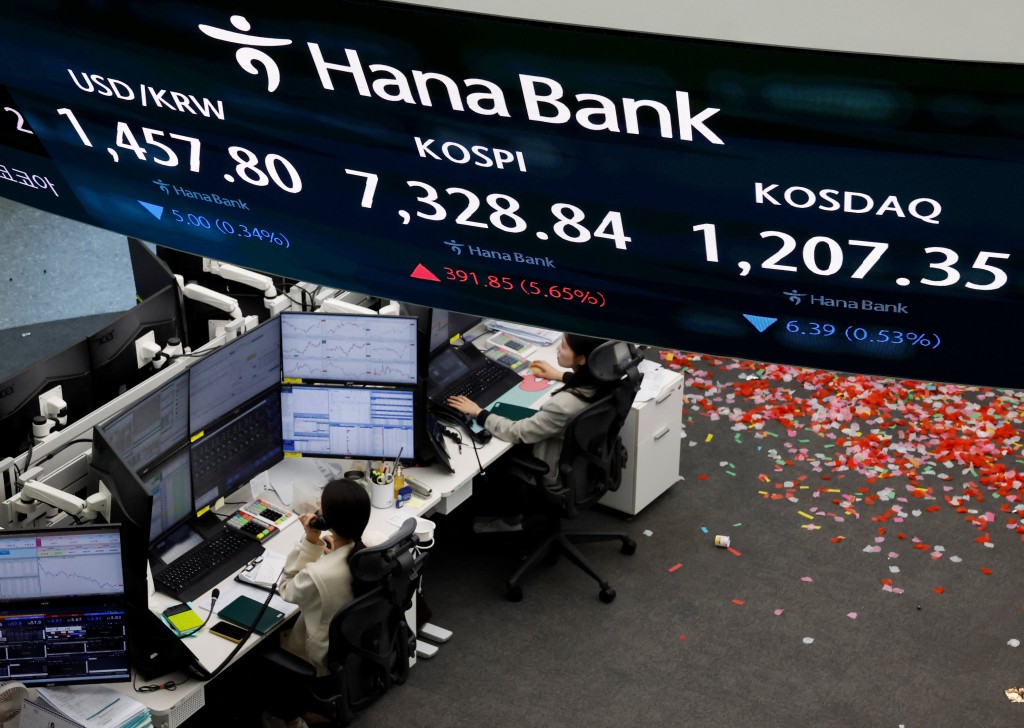
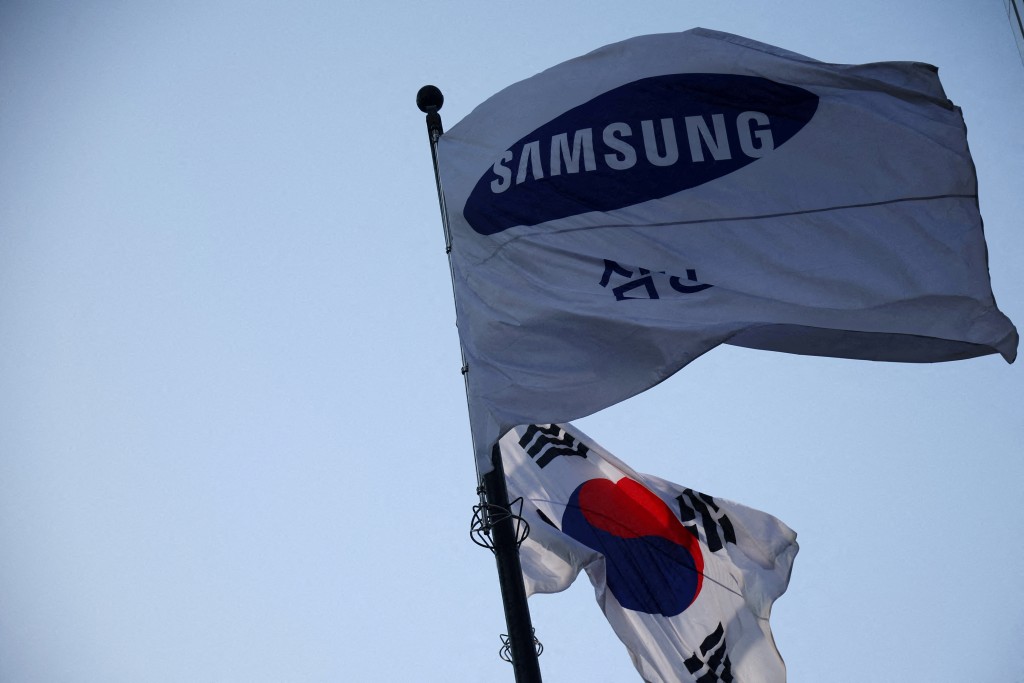
South Korea is considering introducing stabilising measures as leveraged products tied to semiconductor stocks stoke volatility in the country's stock market, the market watchdog said on Monday, adding these products were introduced too hastily.
Lee Chan-jin, governor of the Financial Supervisory Service, said he regretted the launch of the leveraged exchange-traded funds that are linked to chipmakers Samsung Electronics and SK Hynix.
"We are cautiously monitoring and seriously looking into it," he said of the measures they were considering, declining to elaborate further.
The rare self-critique comes days after the watchdog issued an investor warning on such products. It approved stock brokerages last month to launch the ETFs, which helped drive borrowed investment into equities by retail investors to a record 60 trillion won (US$39.04 billion) by the end of May.
The leverage boom had been part of a broader push to draw Korean investors back from US markets, where many have gravitated since the pandemic.
The country's benchmark KOSPI stock index, which has emerged as the world's best performer in an AI-driven rally, has risen more than 110 percent so far this year, after rallying 76 percent last year, led by a surge in chipmakers Samsung Electronics and SK Hynix.
Lee also said that South Korea is in no hurry to clinch an upgrade to developed market status from MSCI, citing heightened volatility and unresolved structural issues.
"My understanding is that we are not rushing or overdoing too much," he said when asked about policymakers' stance.
His comments followed MSCI's annual market accessibility review last week, which said South Korea still falls short on key criteria, including the absence of fully deliverable offshore currency markets, ahead of this week's classification decisions.
Gaining developed market status is a flagship goal of President Lee Jae Myung's administration, which took office in June 2025, as part of a broader push to revitalise the stock market.
The government has introduced various market reforms and plans to open up the currency market around the clock from the second half of this year to improve foreign access.
But Lee said concerns were growing at home about the risks of a sudden upgrade during a period of extreme market swings.
Reuters