China's economy showed resilience in early 2026, with Invesco Hong Kong forecasting full-year GDP growth of 4.5 percent despite softer domestic demand, supported by robust exports, while yuan internationalization continues to advance steadily as a long-term strategic priority.
China's GDP growth in the first quarter rose 5 percent year on year.
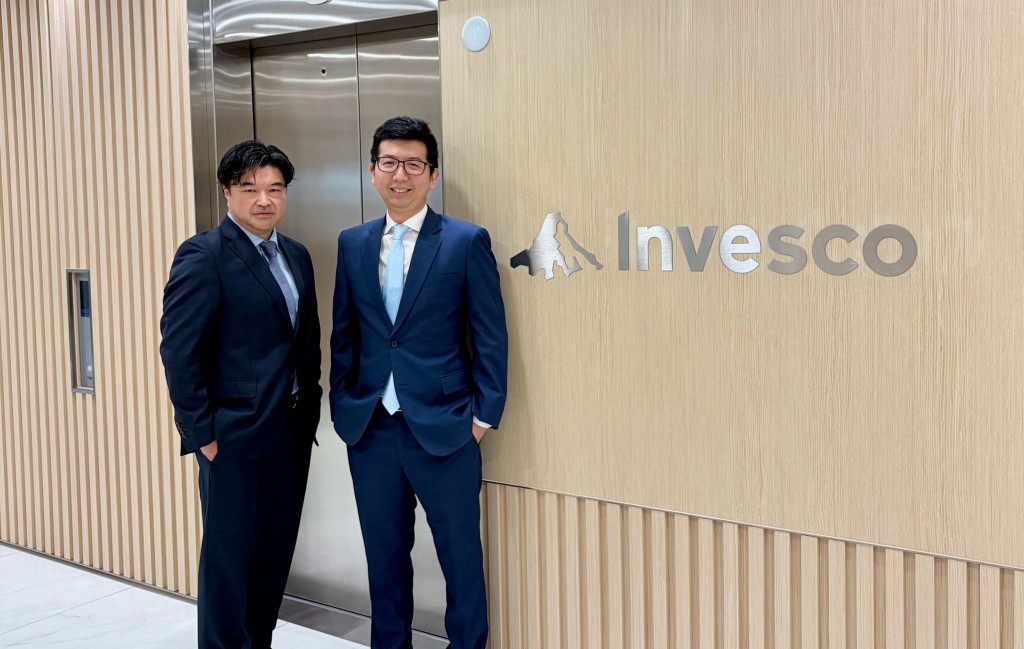
Chris Lau, senior portfolio manager at Invesco Hong Kong, noted that the economy remained highly bifurcated, with robust export growth – particularly in high-tech, electric vehicles, and manufacturing sectors – offsetting relatively soft domestic demand and property sector challenges.
Norbert Ling, head of fixed income portfolio management for APAC at Invesco Hong Kong, highlighted that corporate fundamentals in Asia, especially China, remain stable and resilient. He pointed to low default rates, improving credit quality, deleveraging, and proactive refinancing as key supportive factors for fixed income investors.
Ling also highlighted convertible bonds of Chinese exporters as an attractive investment area, citing expected continued earnings growth driven by the export trend.
He mentioned that yuan internationalization is firmly on the policy agenda and actively accelerating. As the offshore yuan market has grown rapidly in recent years, with larger issue sizes, more diversified issuers, including Triple B credits, and a broader investor base spanning Chinese banks, global asset managers, and insurance companies.
Ling said issuers are increasingly favoring offshore yuan bonds due to lower funding costs than in US dollars and the benefit of a natural currency hedge for Chinese companies expanding overseas.
Lau also noted strong economic prospects in Hong Kong, with first-quarter GDP growth reaching 5.9 percent – the strongest quarterly print since the second quarter of 2021. He expected the momentum to continue, supported by strong domestic demand, especially in a property-led upswing, and improved credit conditions.
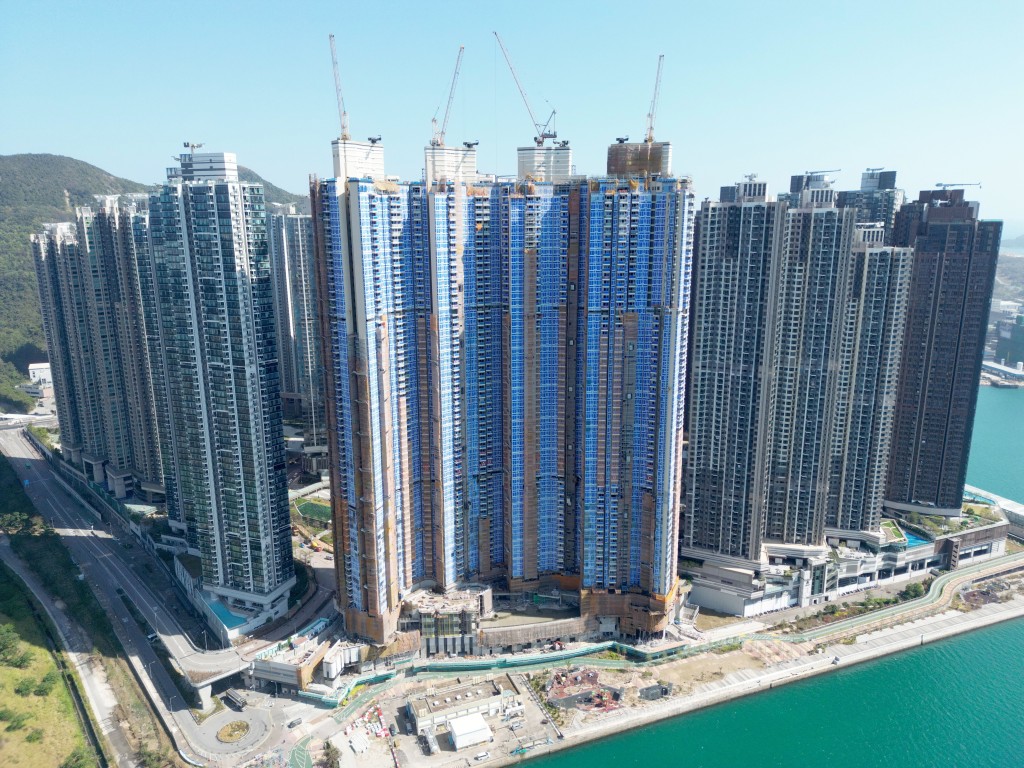
Lau said the private residential property index rose 11.5 percent year on year. The firm remains optimistic about medium-term housing prices, supported by rising demand from mainland Chinese buyers and improved affordability. This is underpinned by positive net carry, as rental income now exceeds financing costs following significant rent increases over the past two to three years.
He noted that Hong Kong’s loan-to-deposit ratio has been steadily declining since early 2024, as deposits have grown faster than loans. This has pushed banks to invest more in Hong Kong dollar-denominated bonds, driving Hong Kong rates much significantly lower than US rates and supporting overall credit conditions.