Read More









China goes rural with data centres in quest to power AI
19-08-2026 12:28 HKT



$30,000 monthly pay fails to attract local claypot rice cooks
17-08-2026 17:47 HKT


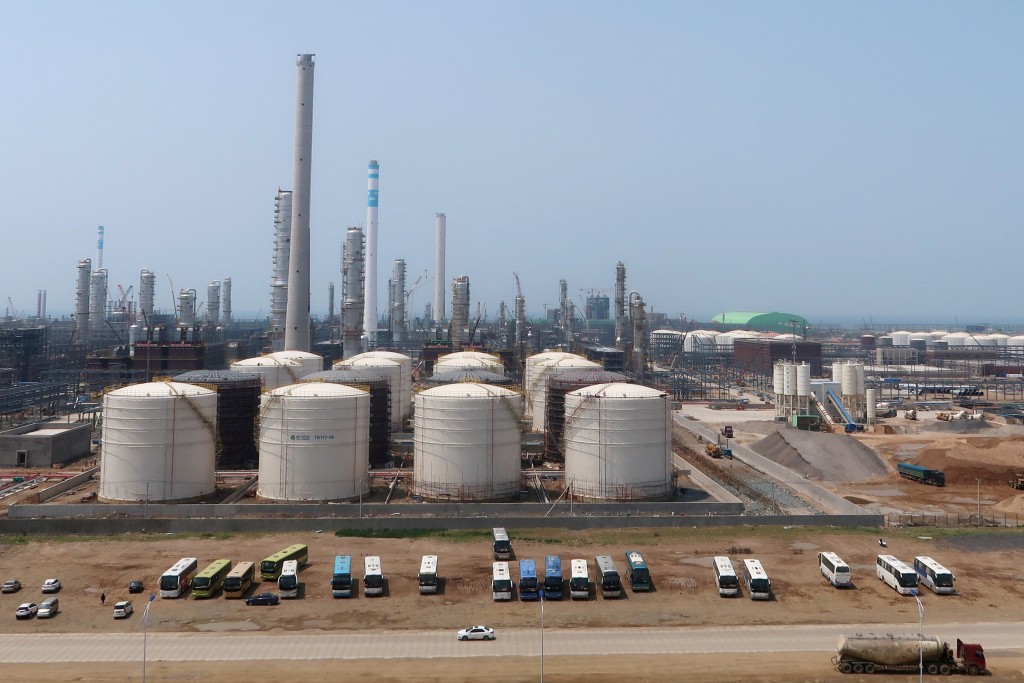
Some independent refiners in China's eastern province of Shandong are cutting fuel output on crumbling margins after the Iran war drove up crude costs as they battle weak domestic demand and excess products, trade and refining sources said.
The cuts in China's largest independent refinery hub come despite Beijing's directive to the small refiners, also known as teapots, to maintain fuel production to protect domestic supplies amid disruption caused by the Iran war.
The average operating rate has slipped to roughly 50 percent, from about 55 percent in April, and is expected to fall further, said one of the four sources who are familiar with the situation and spoke on condition of anonymity.
Lower output from such refiners would erode demand for sanctioned Iranian and Russian crude in the world's top importer.
Some refiners started reducing runs to minimum operating levels from the start of the May Day holiday, the sources added.
The independents face an estimated loss of 500 yuan to 600 yuan (US$74 to US$88) for each metric ton of crude processed in the last week of April, the source added.
Some of the smaller refiners have shut their plants for maintenance, said this source and another.
"Without cutting output, the losses are unbearable," said a third source, adding that some refiners lowered run rates by 5 to 10 percentage points from April.
Chinese refiners were suffering losses of 649 yuan for each ton of crude processed in April versus a profit of 269 yuan a year earlier, commodities data provider SCI said in a note on Friday.
Teapots, the largest buyers of sanctioned Russian and Iranian crude globally, mostly ran out of their previously stockpiled cheap crude in April and kept to the sidelines rather than buying more cargoes at high prices, the sources said.
Prices for those barrels, which typically trade at discounts to benchmark ICE Brent, have surged to premiums since the conflict disrupted Middle East oil supplies with the closure of the Strait of Hormuz, traders said.
Also, China's fuel demand stayed weak while Beijing's fuel export curbs led to a domestic supply glut, weighing on prices for the gasoline and diesel that teapots mostly produce, they added.
China's powerful state planner told independent refiners early in April not to cut run rates below the averages of the past two years, threatening reduced crude import quotas for failure to comply.
It was not clear how strictly Beijing's directive was being enforced, although some refiners sought permission on May 9 from the Shandong provincial government to lower processing rates or suspend operations at some units, the sources said.
Beijing has yet to approve the requests, the sources said.
The National Development and Reform Commission did not immediately respond to a fax for comment.
It was unclear if the run cuts would continue if the requests were not approved.
Reuters