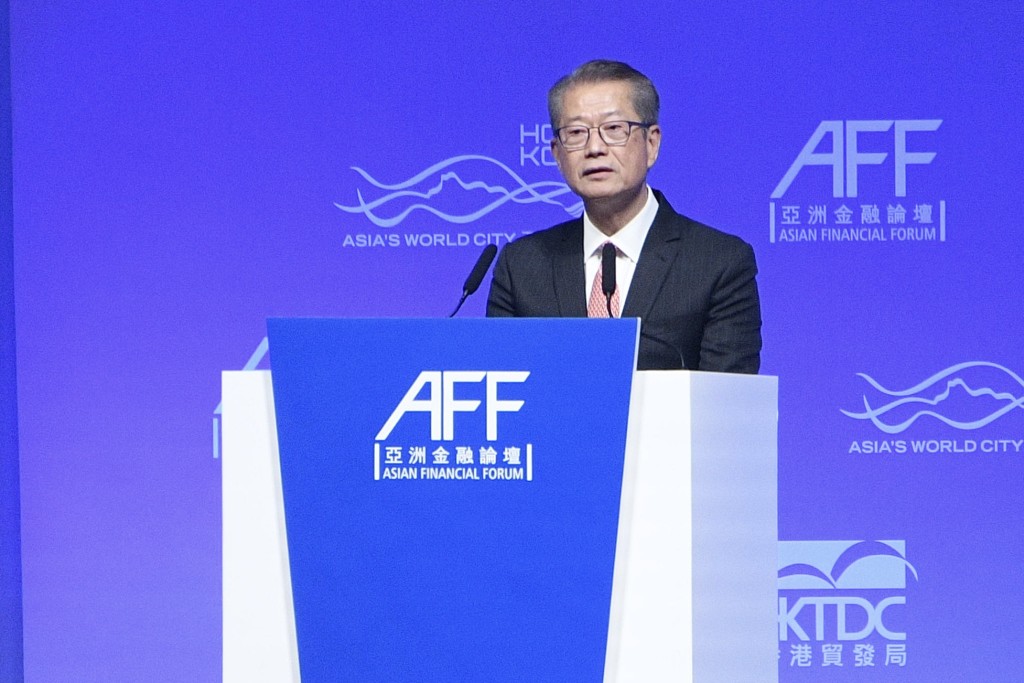
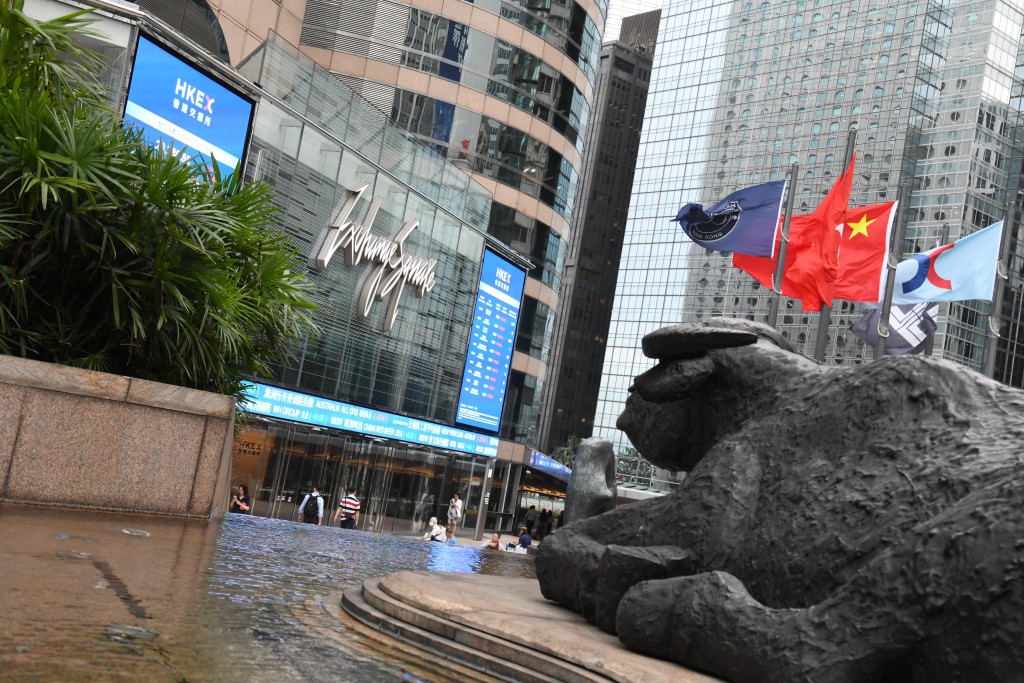
Hong Kong is working with South Korea on the mutual listing of exchange-traded funds that track each other's stock markets, underscoring the city's role in accessing global capital, Financial Secretary Paul Chan Mo-po said on Monday.
Recently, issuers from Thailand, Indonesia, Kazakhstan, Singapore, and the United Arab Emirates have chosen Hong Kong as their platform to attract global investment. Chan spoke at the Asian Financial Forum.
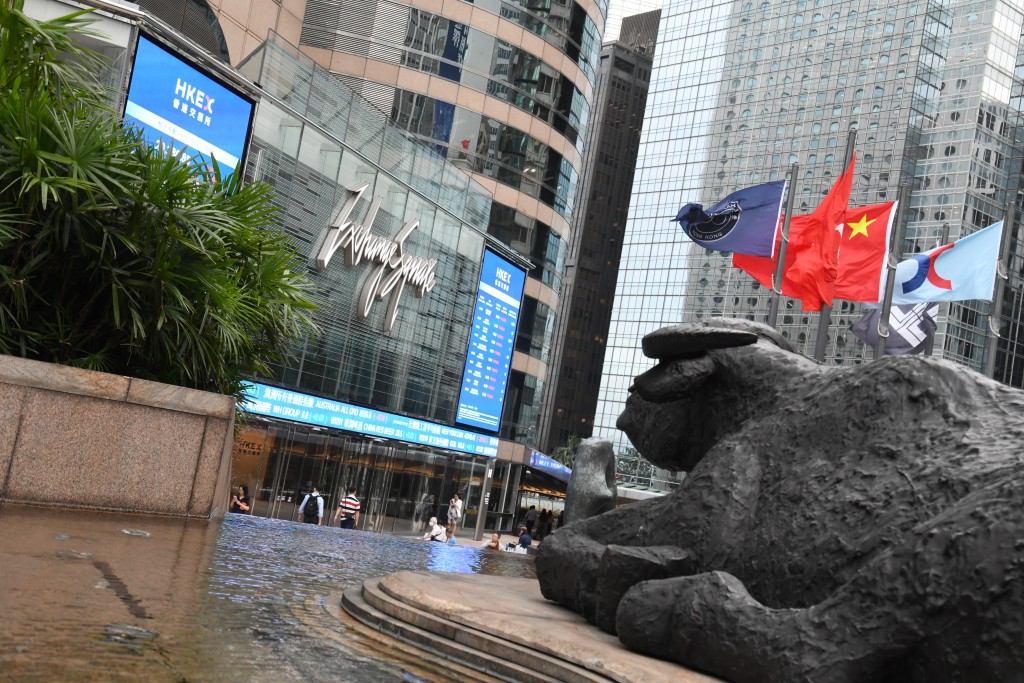
In the stock market, approximately 50 percent of capital comes from global institutional investors, 25 percent from mainland Southbound flows, and another 25 percent from local institutional and retail investors, Chan said.
As the premier two-way international fundraising platform, the city has seen more than 400 companies currently in the initial public offering pipeline, with the majority being mainland enterprises engaged in frontier technologies and advanced manufacturing, he added.
Besides, Rhee Chang-yong, Governor of the Bank of Korea, said financial regulators from South Korea are considering allowing the country's institutions to issue virtual assets, as part of its strategy to prepare for the digital economy.
These Korean won-denominated stablecoins are expected to be mostly used for cross-border transactions, while the regulator is worried about whether they would be used to circumvent capital flow management measures, especially combined with the US dollar stablecoins.
The transaction costs of using US dollar stablecoins are much lower than using the US dollar itself, Rhee noted, adding that when exchange rate movements are anticipated, people rush to the US stablecoins, leading to massive capital flows that make regulation difficult.