Read More










Catherine Wood, chief executive of ARK Investment Management, has earned a reputation as the latest Buffett challenger thanks to a tech stocks rally, but analysts suggest not to copy her strategy as the old economy stocks may catch up this year given the rollout of the coronavirus vaccines.
In the past year, Wood's flagship fund ARK Innovation Exchange-Traded Fund (ARKK) recorded an annual return of 152.83 percent in terms of market price, while ARK Genomic Revolution ETF, ARKG, shot up the most by 180.55 percent, according to its website.
Wood's ARKK attracted a net inflow of US$9.49 billion (HK$74.02 billion) from investors last year.
One way Wood's funds stand out from the ETF crowd is cost: the five funds carry expenses of about 0.75 percent of assets per year, which is not high for active funds.
Wood, 65, founded the firm to invest in disruptive innovation in 2014. She and her 25-person team analyze trends and pick stocks according to five themes: artificial intelligence, robotics, energy storage, DNA sequencing and blockchain technology.
Although ARK saw money exit, it still had the greatest inflows for any US thematic exchange-traded fund in January. Around US$15.6 billion was poured into the thematic ETFs, according to data compiled by Bloomberg, among which ARKK topped the list by adding more than US$3 billion.
All five of Wood's active products took the top spots in the thematic space last month, for a total of US$8 billion added. The five ETFs posted a year-to-date return ranging from 16.25 percent to 25.18 percent.
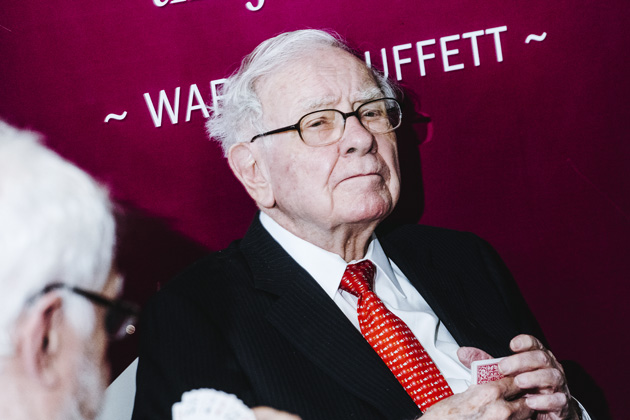
Wood's successful bet on the fast-growing technology sector is compared with the legendary American investor Warren Buffett, who is keen on long-term investment in undervalued stocks, also known as the value investing strategy, but he has long been reluctant to invest in the tech sector, except for Amazon and the iPhone maker.
Buffett's Berkshire Hathaway recorded an accumulative 27,000-time increase from 1964 to 2019, compared to that of less than 200 times for the S&P 500.
Unlike Wood's disruptive innovation strategy, Berkshire Hathaway mainly invests in the traditional economy.
However, the New York-listed company's share price only gained by 2.37 percent in 2020 year-on-year, compared to ARKK's around 150 percent during the same period.
Despite the vast gap in stock price performance, analysts believe Buffett's value investing strategy is outdated.
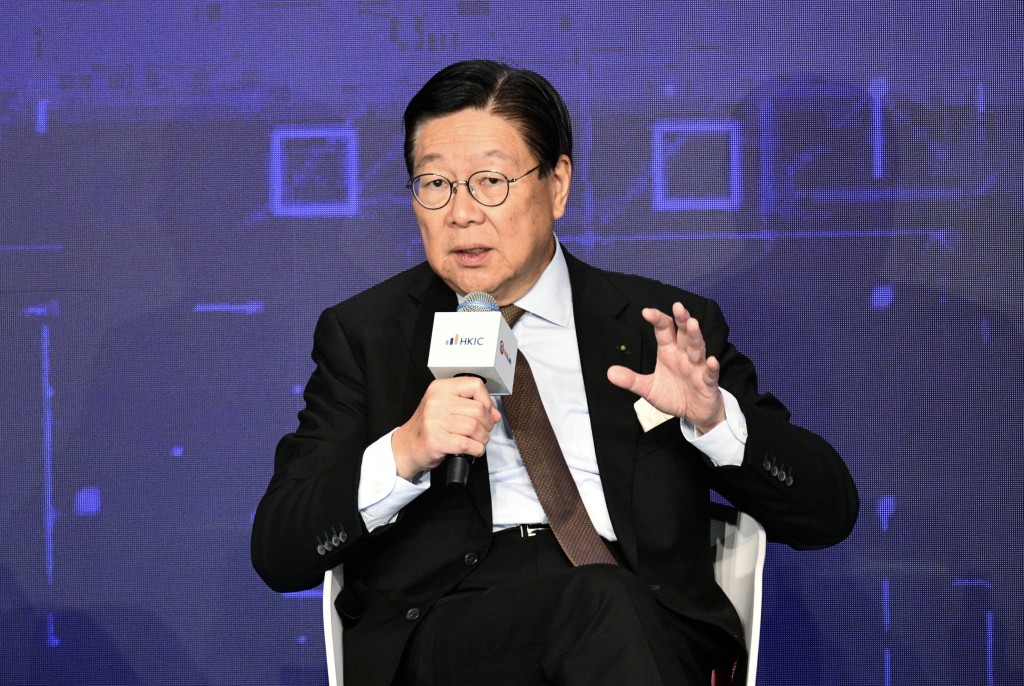
Kenny Wen Kit, wealth management strategist at Everbright Sun Hung Kai, expects the gap between the growth of these two investment firms to narrow this year.
Mila Yuen Ching-yiu, portfolio manager of asset management at Ample Capital, considers Wood's strategy as another form of value investing which values the target companies' future plans and intangible assets.
In August 2018, when ARKK had less than US$2 billion of assets, Wood drew widespread skepticism as well as scorn on social media by suggesting Tesla shares could hit US$4,000 in five years.
The stock has since surged by more than 10-fold and split 5-for-1, giving Wood the aura of a market guru. Tesla remains her top holding among three ARK's ETFs, totaling nearly 4.02 million shares, or US$3.51 billion.
Other than that, Wood was a believer in Bitcoin, too, and it powered some of the early gains in her funds. But after discovering an adverse tax rule, ARK decided it wasn't appropriate for ETFs.
Bitcoin has soared around 28 percent year-to-date, after surging over 300 percent in 2020. Wood says she remains "extremely bullish" on Bitcoin in a January interview with Bloomberg.
"We believe Bitcoin is creating the possibility of a global monetary system controlled not by nation-states but by individuals," Wood had said in January. However, Buffett has called Bitcoin "rat poison squared" and has said he won't ever buy the cryptocurrency.
The latest move by ARK is to launch the ARK Space Exploration ETF, which will track US and global companies engaged in space exploration and innovation, Bloomberg reported last month.
Meanwhile, Chinese internet giants also account for a large position in ARK's asset portfolio. According to ARK's website, five funds totally hold US$1.05 billion worth of Tencent (0700), US$998.05 million worth of Baidu, and US$261.20 million worth of JD.com (9618), US$187.57 million worth of Alibaba (9988), as of February 4.
Other Hong Kong-listed companies are also included in Wood's list, such as Meituan (3690), mainland online insurer ZA Online (6060), and mobile payment platform Yeahka (9923).
The rapid expansion may suggest fear of a bubble in the tech industry, however, analysts say they do not worry.
The rally in tech stocks is mainly supported by quantitative easing, says economist Andy Kwan Cheuk-chiu, director of ACE Centre for Business and Economic Research, while the development of technology fits the trend of the fourth industrial revolution.
Kwan suggests evaluating a tech company by seeing whether there will be an actual breakthrough in the technology in the coming one or two years, instead of simply judging by the price-to-earning ratio.
Stanley Chik Yiu-fai, head of research at Bright Smart Securities & Commodities (1428), says the tech frenzy in the US market finds support from strong operating performance.
Wen suggests retail investors balancing their portfolio to have stocks of both old and new economies in 2021.